Our blog


california smog check requirements

California Smog Check Requirements: Who Needs It and How It Works

California drivers need a smog check every 2 years for most 1976+ vehicles, plus when selling or registering an out-of-state...
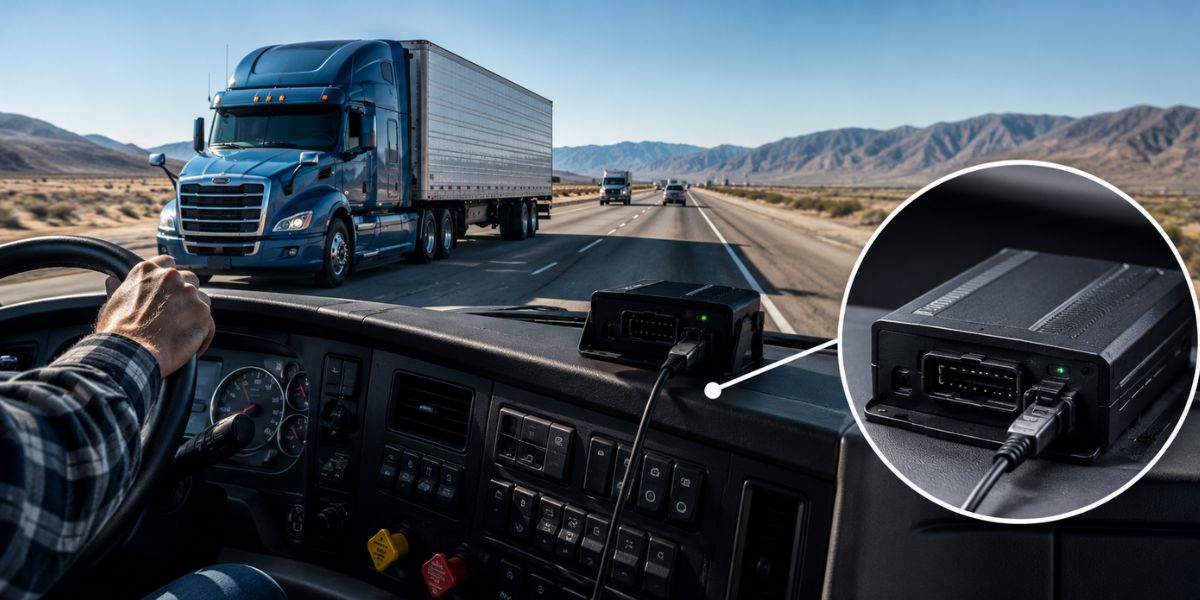
eobr device inside truck cab

What Is an Electronic On-Board Recorder (EOBR)?

EOBR is a legacy device that recorded driver hours and vehicle data before ELDs became the modern fleet compliance standard.
twic card complete guide

What Is a TWIC Card? Eligibility, Application Process, and Benefits 

A TWIC card is a security ID for port and maritime workers. Learn who needs it, how to apply, required...
what is delivery management

What Is Delivery Management? Process, Systems, Benefits Explained

Delivery management is the process of planning, tracking, and optimizing deliveries to ensure fast, efficient, and reliable order fulfillment.
what is considered heavy equipment

What Is Considered Heavy Equipment? 18 Types of Heavy Equipment

Heavy equipment includes large machines like excavators, bulldozers, cranes, and dump trucks used for construction, excavation, and road building.
daytime running lamps

Daytime Running Lamps (DRL): Meaning, Function, and Benefits in Vehicles 

Daytime Running Lamps (DRL) are lights that turn on automatically when a vehicle starts, helping other drivers see the vehicle...
fmcsr guide

What Is FMCSR & Who Is Subject to FMCSR- Complete Guide

FMCSR are federal safety regulations for commercial motor vehicles, applying to carriers and drivers operating CMVs over 10,001 lbs or...
idle engine

What Is Engine Idling? Meaning, Causes, and How to Reduce Idle Time

Engine idling is when a vehicle engine runs while the vehicle remains stationary.
adverse driving conditions exception

Adverse Driving Conditions Exception: FMCSA HOS Rules, Driving Limits, and Examples

FMCSA rule allowing drivers two extra hours during unexpected adverse driving conditions.
1 2 3 4 5 7