

What Is a Truckload (TL)?
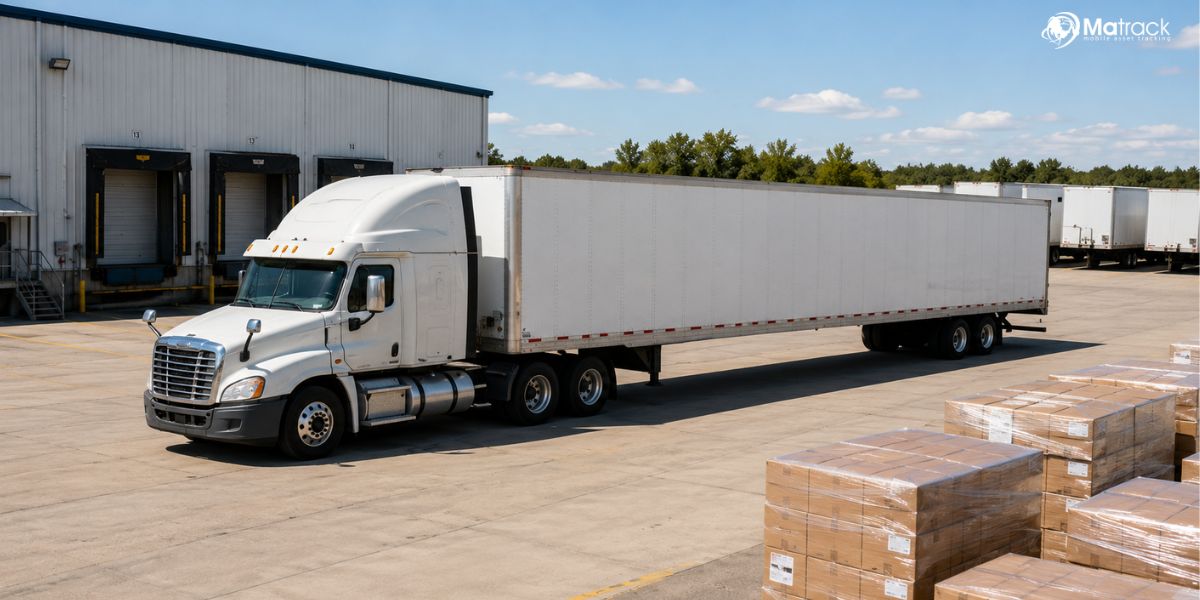
Truckload (TL) is a transportation method where one shipment occupies most or all of a trailer during delivery operations. Single-customer trailer usage allows cargo to move directly between pickup points and final destinations with minimal handling across supply chain networks.
Large-volume shipments often rely on this shipping model for faster transit and improved cargo control during long-distance movement. Retail suppliers, manufacturers, construction companies, and food distributors frequently choose full-capacity transportation for scheduled inventory movement and high-volume deliveries.
Direct routing also reduces terminal transfers, helping businesses minimize cargo damage risks and maintain predictable delivery schedules across logistics operations. GPS tracking, dispatch coordination, and route optimization systems further support shipment visibility throughout the transportation process.
How Does Truckload Shipping Work?
Truckload shipping works by moving one company’s cargo in a single trailer from pickup locations to final delivery destinations.
- Direct Transport: Cargo moves through a single route without combining shipments from multiple businesses.
- Trailer Allocation: Carriers assign trailer space according to shipment volume, cargo dimensions, and transportation requirements.
- Route Planning: Dispatch teams organize delivery schedules, driving paths, and transit timelines for efficient cargo movement.
- Cargo Handling: Limited loading and unloading activity helps reduce shipment transfers during transit.
- Tracking Systems: GPS monitoring and telematics platforms provide live shipment visibility throughout delivery stages.
- Delivery Completion: Drivers transport cargo to warehouses, retail facilities, distribution centers, or commercial locations based on scheduled timelines.
What Qualifies as a Full Truckload Shipment?
Full truckload shipping usually applies when one shipment occupies a portion of trailer space or requires exclusive transportation from pickup to delivery.
- Shipment Volume: Pallet counts and high-capacity cargo loads commonly qualify for full trailer transportation.
- Weight Limits: Shipments between 10,000 and 45,000 pounds often move through this shipping method depending on trailer capacity.
- Exclusive Usage: Single-customer cargo remains inside one trailer during transit instead of sharing space with multiple shipments.
- Cargo Dimensions: Oversized products, industrial equipment, and bulk inventory frequently require transportation space.
- Delivery Requirements: Time-sensitive shipments often use full-capacity transportation for faster transit and fewer delivery stops.
- Handling Reduction: Limited freight transfers help lower product damage risks during long-distance transportation.
What Types of Trailers Are Used in Truckload Shipping?
Various trailer configurations support truckload shipping based on cargo dimensions, temperature sensitivity, and transportation requirements across commercial industries.
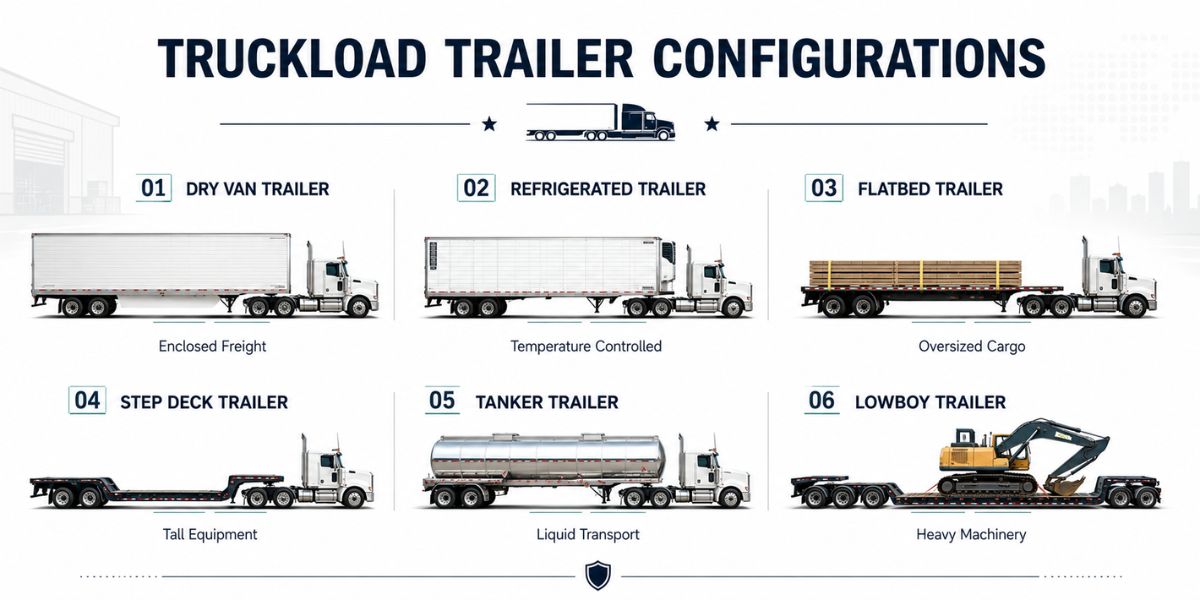
Dry Van Trailers
Enclosed trailer structures transport packaged goods, electronics, retail inventory, and consumer products across regional and national routes. Weather protection and secure cargo space make dry vans one of the most commonly used transportation options.
Refrigerated Trailers
Temperature-controlled units carry food products, pharmaceuticals, and perishable shipments requiring stable cooling conditions during transit. Refrigeration systems help maintain product quality throughout long-distance delivery routes.
Flatbed Trailers
Open trailer platforms move oversized machinery, construction materials, and industrial equipment that cannot fit inside enclosed cargo spaces. Side-loading access also simplifies loading and unloading procedures for heavy materials.
Step Deck Trailers
Lower deck trailer designs accommodate taller cargo loads exceeding standard trailer height restrictions. Construction equipment and industrial components frequently move through step-deck transportation.
Tanker Trailers
Specialized liquid transport units carry fuel, chemicals, milk, and industrial fluids between production facilities and distribution points. Sealed storage compartments help maintain cargo safety during transportation.
Lowboy Trailers
Heavy-duty trailer systems transport oversized construction vehicles and industrial machinery requiring low ground clearance during loading procedures. Extended weight capacity also supports equipment movement across long-distance routes.
What Is the Difference Between TL and LTL Shipping?
Shipment size, trailer usage, delivery timelines, and handling frequency create the main differences between TL and LTL shipping methods.
| Feature | Truckload (TL) Shipping | Less Than Truckload (LTL) Shipping |
| Trailer Space | One business uses most or all trailer capacity. | Multiple businesses share trailer space. |
| Shipment Size | Suitable for high-volume inventory and pallet quantities. | Designed for smaller shipments and limited pallet counts. |
| Transit Speed | Direct delivery routes usually reduce transit time. | Multiple stops and terminal transfers may extend delivery timelines. |
| Handling Frequency | Minimal loading and unloading activity during transit. | Additional transfers increase handling throughout delivery routes. |
| Damage Risk | Lower handling reduces packaging and product damage risks. | Shared transportation networks may increase transfer-related damage possibilities. |
| Shipping Cost | Cost-effective for large shipment volumes and long-distance transportation. | Most affordable for smaller inventory movement. |
| Delivery Stops | Fewer stops between pickup and final destination. | Multiple delivery points often exist within shared routes. |
| Best For | Manufacturing supplies, retail inventory, industrial equipment, and bulk shipments. | Small business deliveries, partial pallet loads, and limited inventory quantities. |
| Tracking Visibility | Direct shipment movement improves route monitoring and delivery accuracy. | Shared transportation networks may involve multiple tracking checkpoints. |
| Transportation Flow | Single-route delivery supports predictable scheduling. | Consolidated distribution systems depend on hub-based routing. |
What Are the Benefits of Truckload Shipping?
Faster delivery timelines and reduced shipment transfers make truckload shipping a practical transportation solution for distribution needs.
Faster Transit Times
Direct delivery routes help shipments reach warehouses, retail facilities, and distribution centers with fewer transportation delays. Limited transfer points also support predictable scheduling across regional and long-distance routes.
Reduced Product Handling
Minimal loading and unloading activity lowers transfer frequency during transportation stages. Reduced handling helps protect packaged goods, fragile inventory, and temperature-sensitive products from damage risks.
Improved Delivery Scheduling
Consistent transit timelines help businesses coordinate warehouse receiving schedules and inventory planning accurately. Manufacturing facilities and retail suppliers often rely on predictable transportation flow for daily distribution requirements.
Higher Trailer Capacity
High shipment volumes move seamlessly through full trailer transportation without sharing space with multiple businesses. Bulk inventory, industrial equipment, and palletized products commonly benefit from high-capacity delivery systems.
Lower Damage Risks
Single-route transportation reduces shipment exposure during terminal transfers and redistribution stages. Limited movement inside the trailer also helps maintain packaging stability throughout transit.
Better Shipment Visibility
GPS tracking and telematics systems allow businesses to monitor shipment progress during transportation. Real-time updates improve route visibility, delivery coordination, and communication between carriers and customers.
Flexible Industry Usage
Retail distribution, manufacturing, agriculture, construction, and food supply chains frequently use truckload transportation for high-volume movement. Specialized trailer options also support different product categories and delivery requirements.
How Much Does Truckload Shipping Cost?
Truckload shipping costs usually range between $2 and $4 per mile depending on trailer type, route distance, fuel pricing, and shipment requirements across transportation networks. Cross-country deliveries may cost anywhere from $1,500 to over $5,000 based on mileage, seasonal demand, and equipment availability.
Dry van transportation generally remains more affordable than refrigerated or flatbed delivery services due to lower equipment and maintenance costs. Expedited shipping, oversized machinery movement, and temperature-controlled products often increase overall transportation pricing because of specialized handling and scheduling requirements.
Market conditions also influence shipping rates throughout the year as fuel surcharges, driver availability, and regional demand fluctuate across logistics networks. Businesses moving shipment volumes frequently negotiate contract pricing with carriers to reduce long-term transportation expenses.
Which Industries Commonly Use Truckload Shipping?
High-volume transportation across regional and national supply chains makes truckload shipping important for many commercial industries.
Retail Distribution
Retail suppliers move packaged goods, store inventory, and seasonal products between warehouses and retail locations through full trailer transportation. Consistent delivery schedules also help businesses maintain product availability during peak shopping periods.
Manufacturing Industry
Manufacturing facilities transport raw materials, machinery parts, and finished products through direct transportation routes. Scheduled deliveries support production timelines and warehouse coordination across industrial networks.
Food and Beverage Sector
Temperature-controlled transportation helps food distributors move dairy products, frozen goods, beverages, and fresh produce across long-distance delivery routes. Refrigerated trailer systems maintain product quality throughout transit stages.
Construction Industry
Construction companies frequently transport building materials, steel products, machinery, and industrial equipment through flatbed and lowboy trailer systems. Oversized shipment movement often requires specialized transportation configurations for project sites.
Automotive Logistics
Vehicle manufacturers and automotive suppliers move engines, replacement parts, tires, and assembly components between production facilities and distribution centers. Scheduled transportation also helps maintain uninterrupted manufacturing flow.
Agriculture and Farming
Agricultural suppliers transport grain, livestock feed, farming equipment, and harvested products across regional distribution networks. Seasonal harvest periods commonly increase transportation demand throughout farming supply chains.
How Technology Improves Modern Truckload Shipping
Digital transportation systems help carriers monitor deliveries, optimize routes, and improve shipment visibility throughout supply chain networks.
GPS Tracking Systems
GPS tracking allows businesses to monitor vehicle locations and estimated arrival times during transportation. Live route visibility also helps dispatch teams respond quickly to delays and traffic disruptions.
Telematics Integration
Telematics platforms collect data related to fuel usage, driving behavior, engine performance, and route efficiency. Transportation companies use this information to improve fleet performance and reduce operational expenses.
Electronic Logging Devices (ELDs)
Electronic logging systems record driver hours and compliance information digitally during transportation activities. Automated reporting helps carriers follow transportation regulations and maintain accurate operational records.
Real-Time Shipment Visibility
Cloud-based logistics platforms provide shipment updates, delivery notifications, and transportation status information from centralized dashboards. Businesses use these systems to improve coordination between warehouses, drivers, and customers.
Transportation Management Systems (TMS)
TMS software helps businesses organize scheduling, dispatch coordination, billing, and shipment tracking from one platform. Integrated logistics systems also improve communication across distribution networks.
What Should Businesses Consider Before Choosing Truckload Shipping?
Shipment volume, delivery timelines, trailer requirements, and transportation costs play an important role when selecting truckload shipping services.
Shipment Size
High pallet quantities and bulk inventory movement usually fit full trailer transportation reliably. Smaller product quantities may perform better through shared shipping methods instead of dedicated trailer usage.
Delivery Timelines
Time-sensitive deliveries often require direct transportation routes with fewer transfer points during transit. Faster scheduling options also help businesses maintain inventory flow across distribution networks.
Trailer Requirements
Different products require different trailer configurations based on dimensions, temperature sensitivity, and handling needs. Refrigerated units, flatbeds, and dry vans support various transportation requirements across commercial industries.
Carrier Reliability
Transportation providers with strong delivery records and tracking support help businesses maintain consistent shipment movement. Service coverage, communication quality, and scheduling accuracy also influence carrier selection.
Tracking Visibility
GPS monitoring and real-time shipment updates improve route visibility during transportation stages. Live tracking systems also help businesses coordinate warehouse receiving schedules quickly.
Transportation Costs
Fuel pricing, route distance, shipment volume, and seasonal demand commonly influence delivery expenses across logistics networks. Contract pricing options may also help businesses reduce long-term transportation costs.
Final Thoughts
Truckload shipping remains one of the most reliable transportation methods for businesses moving high-volume inventory across regional and national supply chains. Direct trailer usage, faster transit routes, and reduced handling also help companies maintain consistent delivery performance throughout distribution networks.
Retail suppliers, manufacturers, food distributors, and construction companies frequently rely on this shipping model to support scheduled inventory movement and time-sensitive deliveries. Specialized trailer configurations further allow businesses to transport temperature-sensitive products, industrial equipment, and oversized materials through efficient transportation routes.
Modern logistics technology continues improving shipment visibility, route planning, and transportation coordination across truckload networks. GPS tracking, telematics systems, and digital freight platforms now help businesses manage deliveries with greater accuracy, improved scheduling, and optimized transportation efficiency.
Frequently Asked Questions
What does TL mean in shipping?
TL stands for Truckload shipping, a transportation method where one shipment occupies most or all trailer space during delivery. Direct transportation routes also help reduce transfer points and improve transit efficiency.
How much weight can a truckload carry?
Most full trailer shipments carry between 10,000 and 45,000 pounds depending on trailer type and transportation regulations. Weight limits may also vary based on axle distribution and regional road restrictions.
Is truckload shipping faster than LTL shipping?
Direct transportation routes usually allow truckload shipments to reach destinations faster than LTL deliveries. Fewer terminal stops and limited handling also help reduce transit delays.
Which trailer types are commonly used in truckload shipping?
Dry van, refrigerated, flatbed, tanker, step deck, and lowboy trailers are commonly used across different industries. Trailer selection usually depends on product dimensions, temperature sensitivity, and transportation requirements.
Which industries rely heavily on truckload transportation?
Retail distribution, manufacturing, food supply chains, construction, agriculture, and automotive logistics frequently use this transportation method. High-volume inventory movement and scheduled deliveries make full trailer transportation important across these industries.
What factors affect truckload shipping costs?
Route distance, fuel pricing, shipment volume, trailer configuration, and seasonal demand commonly influence transportation rates. Expedited delivery services and specialized equipment may also increase overall shipping expenses.