

What Are Tanker Trucks?
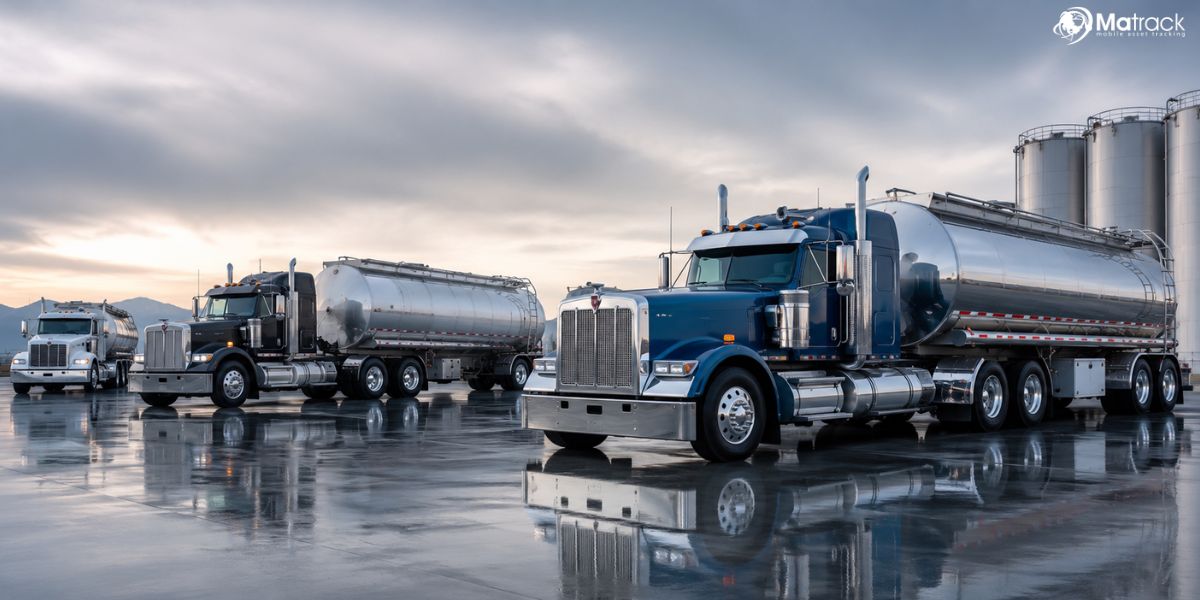
Tanker trucks are commercial vehicles built with a tank body or tank trailer for moving bulk materials that standard freight equipment cannot handle safely. Fleets use them for fuel, chemicals, milk, edible oils, water, cement, flour, plastic pellets, septic waste, propane, and other industrial products.
Unlike dry vans, flatbeds, or box trucks, these vehicles are designed around how the load behaves during movement. Shape, shell material, lining, insulation, pressure rating, and compartment layout affect stability, contamination control, discharge method, and hazardous-material suitability.
Fleet operators rely on these vehicles in fuel distribution, chemical transport, food and beverage logistics, dairy collection, agriculture, construction, water delivery, sanitation, and industrial services. Equipment selection depends on material compatibility, payload limits, washout needs, loading equipment, operating area, driver risk, compliance duties, and real-time oversight across vehicles, trailers, stops, and delivery records.
What Are the Types of Tanker Trucks?
Tanker trucks are commonly grouped into six types based on the material being transported: fuel, chemical cargo, food-grade liquids, cryogenic gases, compressed gases, and corrosive liquids. Dry bulk equipment is also common in commercial fleets, but many classifications separate it from liquid and gas hauling because discharge systems and measurement methods differ.
1. Fuel Tanker Trucks
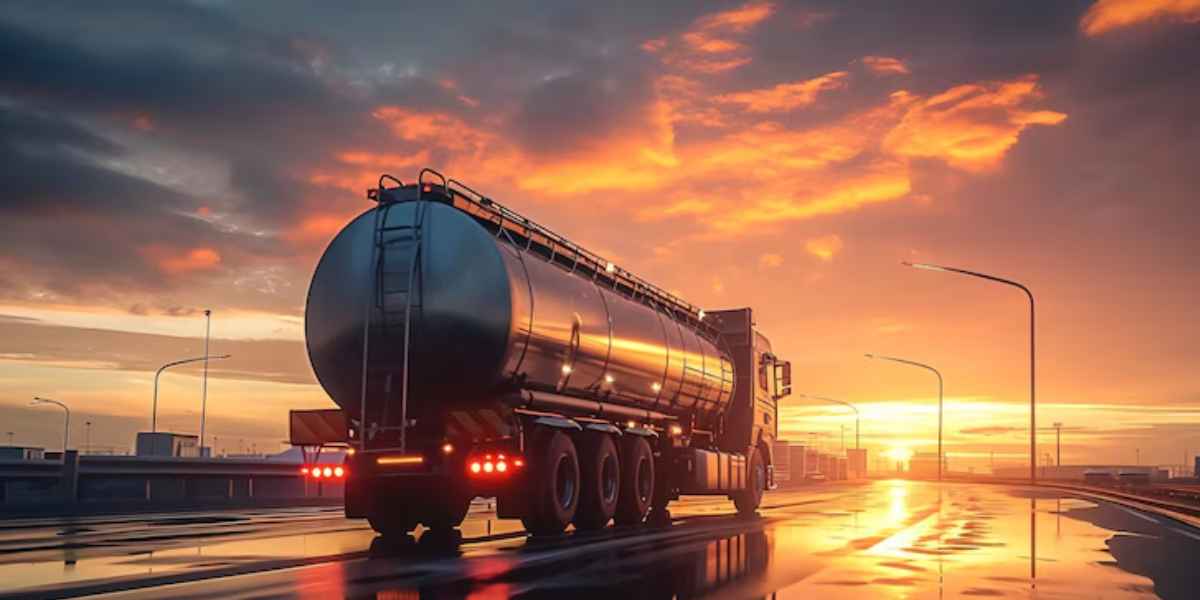
Fuel tanker trucks move gasoline, diesel, aviation fuel, and refined fuel blends from terminals to gas stations, airports, farms, construction sites, and fleet yards. DOT-406 cargo tank specifications are common in this segment, with low-pressure aluminum or carbon steel construction suited to regional fuel distribution.
Multi-compartment layouts let one vehicle separate fuel grades across several stops without product mixing. Vapor recovery systems, emergency shut-off devices, top-loading hardware, and spill-control fittings help reduce vapor loss, handling exposure, and release risk around flammable liquids.
2. Chemical Cargo Tank Trucks
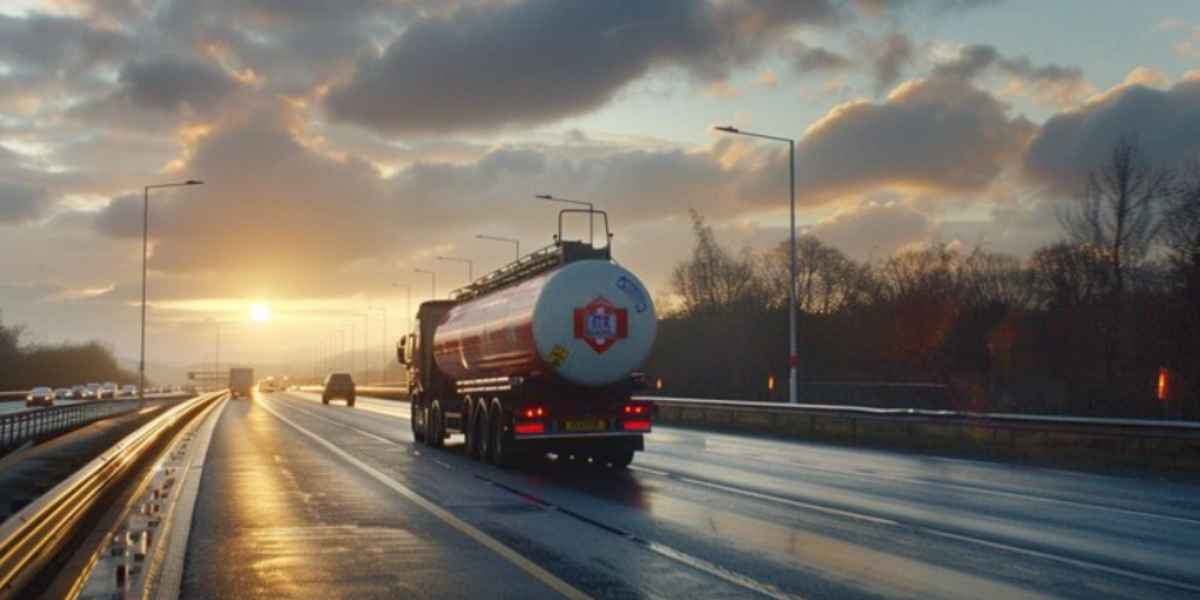
Chemical cargo tank trucks handle acids, solvents, industrial reagents, and regulated liquid compounds where compatibility controls safe movement. DOT-407 and MC-307 cargo tank specifications are often used for moderate-pressure containment, sealed handling, and controlled hazardous-material service.
Product chemistry determines interior lining, gasket selection, manhole design, piping layout, and washout process. Rubber linings, fiberglass-reinforced plastic, specialized resins, sealed access points, and exterior lines help limit corrosion, contamination, leakage, and crew exposure.
3. Food-Grade Cargo Tank Trucks
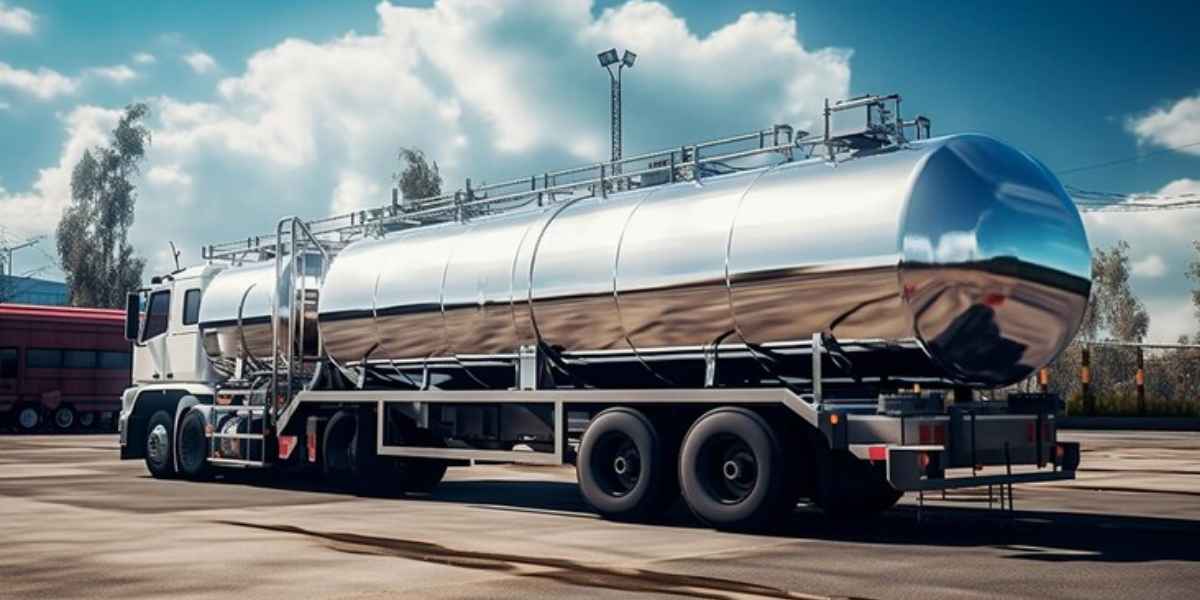
Food-grade cargo tank trucks support sanitary liquid freight such as milk, vegetable oil, corn syrup, liquid sugar, juices, and edible ingredients. High-polish stainless steel interiors, sterile fittings, and sanitary connections protect product quality from pickup through delivery.
Sanitary transport depends on clean-in-place systems, temperature-retention jackets, documented washouts, and strict load separation. Residue, odor, allergens, or chemical traces can contaminate edible products, so prior-load control matters as much as rated volume.
4. Cryogenic Cargo Tank Trucks
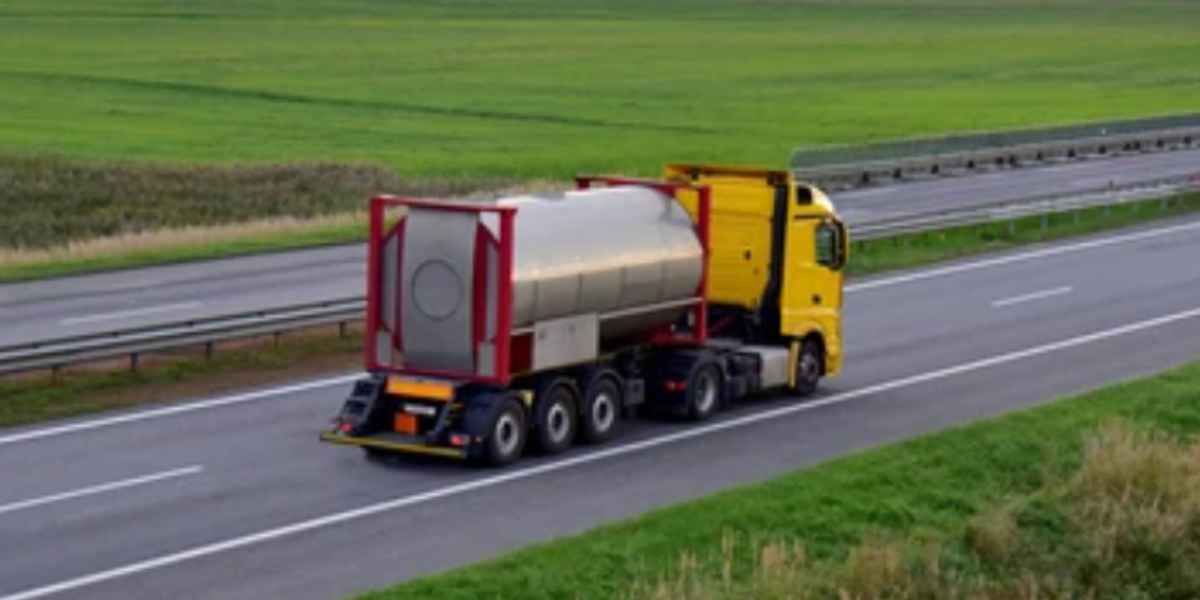
Cryogenic cargo tank trucks move liquefied nitrogen, oxygen, argon, and similar gases at extremely low temperatures. MC-338 and TC-338 equipment uses double-walled construction with vacuum-sealed insulation to maintain low-temperature stability in transit.
Inner vessels hold the liquefied gas, and outer shells protect structural integrity during movement. Relief devices, burst discs, vapor-management equipment, and pressure controls manage expansion as warming liquid converts into gas.
5. Compressed Gas Cargo Tankers
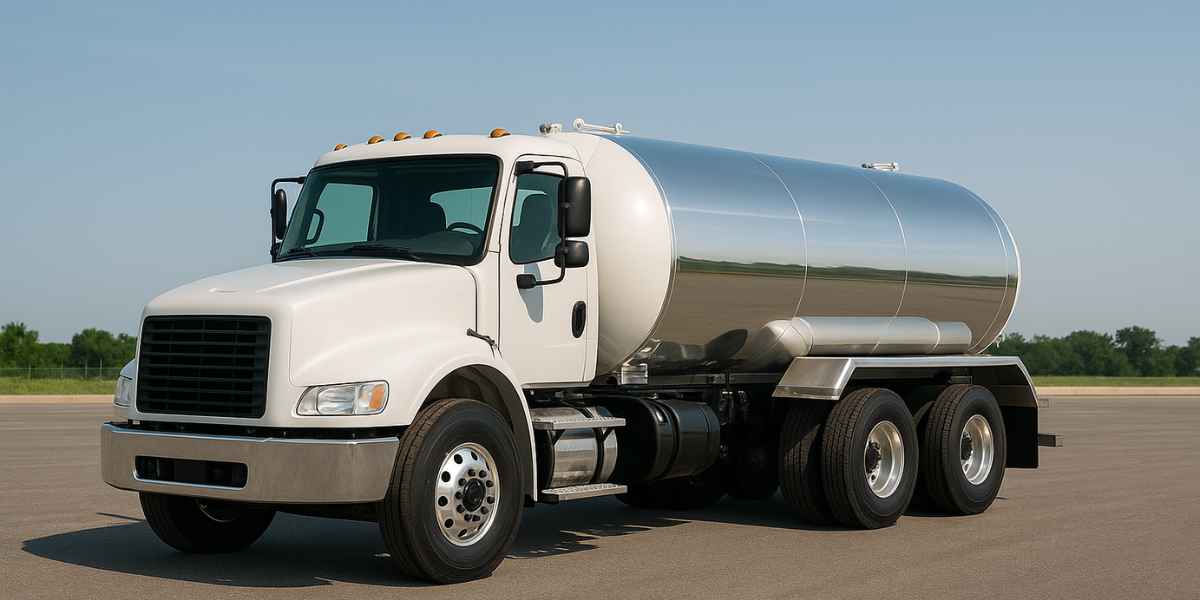
Compressed gas cargo tankers transport propane, butane, anhydrous ammonia, and similar materials in liquefied or compressed form. MC-331 specifications commonly apply, with high-strength steel shells shaped to distribute internal force across cylindrical or spherical surfaces.
Safe discharge relies on thermal protection, excess-flow devices, pressure-rated fittings, remote emergency shut-offs, and protected valve assemblies. Some materials require high pressure ratings, making shell strength, driver handling, and emergency isolation central to daily operation.
6. Corrosive Cargo Tank Trucks
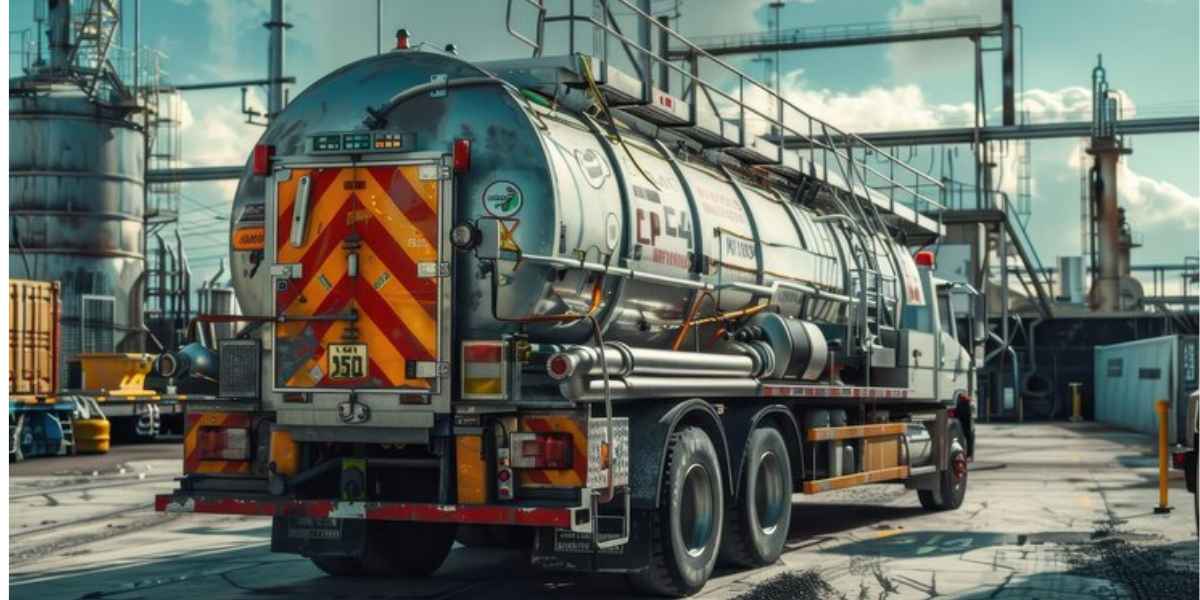
Corrosive cargo tank trucks serve hydrochloric acid, sulfuric acid, nitric acid, and other aggressive liquids that can degrade ordinary surfaces. DOT-412 and MC-312 cargo tank specifications are common in acid service because containment hardware must resist chemical attack during filling, movement, and discharge.
Reinforced welds, PTFE gaskets, rubber coatings, epoxy systems, compatible hoses, and product-specific linings preserve vessel integrity. Design safeguards reduce leak points and help protect drivers, loading crews, and receiving-site workers from harmful exposure.
What Are the Common Capacities of Tanker Trucks?
Common tanker truck capacities range from about 1,000 to 11,600 gallons, but usable volume depends on material density, axle weight, shell design, payload rating, and applicable highway weight rules. Dense liquids or heavy dry materials can reach the allowable weight ceiling before the vessel reaches its full gallon rating.
Small Capacity Tanker Trucks
Small capacity tanker trucks usually hold about 1,000 to 3,000 gallons and serve local delivery, farm service, construction support, municipal water work, airport refueling, and short-distance fuel supply. Straight trucks are common in this range because a chassis-mounted vessel improves access on narrow roads, yards, jobsites, and stop-heavy service areas.
Medium Capacity Tanker Trucks
Regional operations often use medium capacity tanker trucks in the 3,000 to 7,000-gallon range, depending on shell material, axle setup, and liquid weight per gallon. Fuel distributors, water haulers, sanitation operators, food-grade carriers, and chemical fleets use this size when the lane needs more volume than a small truck without the turning demands of a full tractor-trailer.
Large Capacity Tanker Trucks
Large tanker trucks and tank trailers commonly fall between 7,000 and 11,600 gallons, especially in fuel, water, chemical, and bulk liquid distribution. Allowable load weight can limit filled volume before the vessel reaches its stated rating because axle limits, bridge rules, route restrictions, and product density determine how much the vehicle can legally move.
Specialty Capacity Tanker Trucks
Specialty tanker sizing depends on material condition rather than gallon rating alone. Dry bulk trailers may be planned by cubic feet and payload weight, while cryogenic, compressed gas, corrosive, and insulated food-grade units must account for pressure rating, vapor space, wall thickness, lining, insulation, and discharge limits.
What Is the Difference Between Single-Compartment and Multi-Compartment Tankers?
Single-compartment tankers use one internal space for one load, while multi-compartment units divide total volume into separate sections for different products, grades, or delivery stops. Equipment choice depends on whether the fleet needs simple bulk movement or controlled separation across a multi-stop delivery pattern.
| Factor | Single-Compartment Tankers | Multi-Compartment Tankers |
| Tank layout | One continuous tank chamber holds a single product or material. | Two or more sealed compartments divide the tank into separate sections. |
| Main use | Works well for uniform loads such as water, milk, waste liquid, dry bulk, or one dedicated chemical. | Fits mixed delivery routes where different products or grades must stay separated. |
| Product separation | No internal separation, so the entire tank is dedicated to one cargo type. | Separate chambers prevent product mixing during transport and delivery. |
| Common fleet example | Water delivery, septic service, milk collection, dry bulk hauling, or chemical transport with one approved product. | Fuel distribution with gasoline, diesel, aviation fuel, or different fuel grades on the same route. |
| Route planning | Better for direct routes, single-product delivery, or bulk movement from one loading point to one discharge point. | Better for multi-stop routes where each stop may need a different product, grade, or volume. |
| Cleaning needs | Cleaning is simpler when the same product type is hauled repeatedly. | Cleaning and documentation become more important because each compartment may have a separate product history. |
| Capacity use | Total tank capacity is available for one material, subject to payload and legal weight limits. | Total capacity is split across compartments, so usable volume depends on how each section is loaded. |
| Weight distribution | Load balance is easier to plan when one product fills the tank evenly. | Weight distribution needs closer attention because uneven compartment loading can affect handling. |
| Contamination risk | Risk mainly comes from prior loads, residue, or improper washout. | Risk includes prior-load residue and cross-product handling mistakes between compartments. |
| Fleet decision | Choose this design when the route, cargo, and delivery model are dedicated to one material. | Choose this design when product separation, multi-stop delivery, or mixed-grade distribution improves route efficiency. |
Single-compartment designs fit dedicated work where one material moves from one loading point to one destination. Multi-compartment layouts improve efficiency when separate products, grades, or stop volumes must stay isolated during the same run.
What Safety and Compliance Considerations Matter for Tanker Fleets?
Tanker fleet safety depends on qualified drivers, inspected equipment, controlled loading practices, disciplined driving, and documented proof of what happened before, during, and after a trip. Risk management covers both the vehicle and the operating workflow around it.
- DOT compliance: Fleet operators need vehicle records, inspection workflows, driver qualification files, maintenance logs, and operating procedures aligned with the materials being hauled. FMCSA requirements also affect CMV operations through Hours of Service compliance, driver logs, roadside documentation, and audit readiness.
- Hazmat controls: Fuel, corrosive chemicals, compressed gases, and regulated waste can require placards, shipping papers, emergency response information, and product-specific handling steps. Hazmat work also depends on driver endorsements, correct documentation, and site procedures that reduce exposure during loading, movement, and delivery.
- Transfer safety: Loading and unloading create high-risk conditions because hoses, valves, pressure, vapor, residue, and pumping equipment operate in close contact. Spill prevention, grounding procedures, PPE, site control, and documented handoff steps help protect drivers, loading crews, customers, and nearby equipment.
- Rollover risk: Liquid freight can shift inside the vessel during braking, cornering, lane changes, or sudden stops. Partial loads can increase surge, so speed control, smooth braking, wider turning discipline, and lane planning matter for tanker truck operations.
- Driver behavior: Speeding, harsh braking, sharp cornering, hard acceleration, and sudden stops can raise incident risk when a vehicle carries liquid, gas, or bulk material. Behavior monitoring, coaching, and safety scorecards help managers identify unsafe patterns before they lead to rollovers, spills, roadside violations, or claims.
- Inspection records: Tanker operations rely on pre-trip inspections, post-trip inspections, valve checks, hose checks, tire condition, brake condition, and shell integrity reviews. Digital inspection workflows help fleets document defects, follow repairs, and maintain usable records for compliance reviews.
- Incident evidence: Dashcam evidence, trip history, driver behavior data, and ELD records help reconstruct unsafe events, disputed deliveries, roadside issues, and accident claims. Matrack ELD is an FMCSA-registered Electronic Logging Device that automates Hours of Service compliance for commercial fleets running CMVs.
How Do Fleet Managers Monitor Tanker Trucks in Real Time?
Fleet managers monitor tanker trucks through live location data, trip history, geofencing, driver behavior alerts, ELD records, dashcam evidence, and asset tracking tied into one operating view. Real-time oversight helps dispatchers, safety teams, and compliance managers respond faster during loading, transit, delivery, and return-to-yard movement.
- GPS location: Real-time GPS fleet tracking shows where every tanker truck is during loading, transit, delivery, and yard movement. Location awareness helps dispatchers confirm progress, spot delays, and support time-sensitive deliveries involving fuel, chemicals, water, food-grade liquids, or pressurized materials.
- Route history: Trip history creates a record of where the vehicle traveled, how long it stayed at each location, and whether it followed the assigned lane. Dispatchers and managers use that record for delivery verification, customer dispute resolution, internal audits, and incident review after deviations or missed stops.
- Geofence alerts: Geofencing helps fleets monitor terminals, loading racks, customer sites, yards, disposal locations, restricted zones, and high-risk areas. Alerts can show arrivals, departures, unauthorized stops, late exits, and off-route activity without requiring managers to watch every unit manually.
- Driver behavior: Tanker fleets track speeding, harsh braking, hard acceleration, sharp cornering, and sudden stops because liquid surge and heavy loads can raise handling risk. Behavior alerts help safety teams identify coaching needs before unsafe habits turn into rollovers, spills, roadside violations, or insurance claims.
- Idling patterns: Idling data shows where trucks sit with engines running during loading queues, delivery waits, yard staging, or driver breaks. Idle monitoring helps fleets control fuel waste, identify bottlenecks, and separate necessary engine use from avoidable runtime.
- Dashcam evidence: AI dashcam footage helps document harsh events, unsafe driving, collisions, false claims, and disputed incidents. Video becomes more useful when paired with speed, location, trip history, and driver behavior data from the same run.
- ELD visibility: ELD data helps managers monitor Hours of Service compliance for commercial drivers running CMVs. Matrack combines GPS fleet tracking, FMCSA-registered ELD, AI dashcam, and asset tracking under one platform, with one dashboard, one mobile app, and one bill.
- Asset tracking: Tank trailers, parked equipment, and non-powered assets can sit away from the tractor, yard, or terminal. Asset tracking helps fleets monitor trailer location, dwell time, utilization, theft risk, and whether the right trailer is available for the next load.
How Do You Choose the Right Tanker Truck Setup for a Fleet?
Fleet managers choose the right tanker truck setup by matching material type, vessel design, usable load, operating area, loading method, driver risk, and monitoring requirements. Equipment decisions should reflect daily work conditions rather than gallon rating alone.
Cargo Compatibility
Material compatibility comes before rated size. Fuel, chemicals, food-grade liquids, milk, water, dry bulk, waste, propane, and corrosive products all create different transport conditions.
Material behavior determines whether the setup needs stainless steel, aluminum, carbon steel, lined interiors, pressure-rated vessels, insulation, sanitary fittings, pneumatic unloading, or corrosion-resistant hardware. Selecting equipment around product behavior helps reduce contamination, corrosion, discharge failure, and avoidable downtime.
Tank Construction
Tank construction should match the material being hauled, not just the delivery volume. Food-grade liquids require sanitary surfaces, corrosive chemicals require compatible linings, compressed gases require pressure-rated vessels, and dry bulk materials require discharge systems suited to powders, grains, pellets, cement, or lime.
Shell material, interior finish, gasket selection, valve placement, and insulation all affect operating reliability. Construction choices also influence washout time, maintenance cost, driver exposure, and how quickly a unit can return to service.
Legal Payload
Usable volume depends on shell size, product density, payload rating, axle limits, bridge rules, service territory, and legal weight limits. High gallon ratings do not always mean the vessel can be filled completely.
Dense liquids and heavy dry materials can reach the allowable load ceiling before a unit reaches full volume. Fleet managers should calculate weight by material, not just compare rated gallons across equipment options.
Route Profile
Operating profile affects whether the fleet needs a straight tanker truck, a tractor-tank trailer, or a divided layout. Short lanes, tight access points, frequent stops, and urban delivery areas often favor smaller vehicles.
Long-distance bulk movement usually fits larger tank trailers with higher usable volume. Stop sequence, road width, turning space, unloading location, and terminal access should all influence the final setup.
Load Separation
Load separation controls how products stay isolated during movement and delivery. Single-section layouts fit one product or uniform bulk loads.
Divided layouts support fuel distribution and mixed delivery work where separate grades, products, or stop volumes must stay isolated. Compartment planning also affects weight balance, unloading order, and contamination risk.
Washout Control
Washout control determines whether equipment can safely return to service after a load. Food-grade, dairy, chemical, waste, and corrosive service require product-specific sanitation, residue checks, odor control, documentation, and safeguards against cross-contamination.
Prior-load history matters because residue can affect product quality, equipment compatibility, and receiving-site acceptance. Documented washouts also help fleets prove that the unit was prepared correctly before the next assignment.
Transfer Equipment
Loading and unloading equipment should match the material, site conditions, and delivery process. Pumps, hoses, valves, meters, vapor recovery systems, pneumatic discharge systems, PPE, and grounding procedures all affect how safely and efficiently product moves in and out of the vessel.
Poorly matched discharge equipment can delay deliveries, increase spill risk, and expose crews to unnecessary hazards. Fleet managers should evaluate both the vehicle and the loading site before choosing the final configuration.
Driver Risk
Driver risk increases with surge, rollover exposure, pressure, vapor, hazardous material, and tight delivery access. Training should cover speed control, braking distance, turning discipline, valve handling, hose checks, emergency response, and material-specific hazards.
Behavior monitoring can support training by showing speeding, harsh braking, cornering, and sudden-stop patterns across daily work. Coaching works best when managers can connect driving events to vehicle type, load condition, and operating environment.
Visibility Needs
Monitoring needs should cover live location, trip history, delivery stops, inspections, driver behavior, trailer utilization, and loading or discharge events across daily operations. Fleet leaders need a consistent operating picture across vehicles, drivers, terminals, yards, customer sites, and parked assets.
Matrack GPS Fleet Tracking, Matrack ELD, Matrack AI Dashcam, and Matrack Asset Tracker can support this workflow by connecting vehicle location, compliance records, video evidence, and trailer data in one platform. Unified oversight is especially useful for tanker fleets because equipment risk, driver behavior, delivery proof, and asset availability all affect performance.
Conclusion
Tanker truck selection should begin with the material being moved rather than the size of the vessel. Fuel, chemicals, food-grade liquids, dry bulk, water, waste, and pressurized gases all create different requirements for construction, usable volume, sanitation, discharge equipment, and operating discipline.
Gallon rating is only one part of the decision. Product density, payload weight, legal limits, load separation, driver handling, and delivery pattern determine whether a setup can perform safely and efficiently.
Fleet operators should evaluate tanker trucks as both transport equipment and operating assets. Proper selection supports safe movement, compliance records, trailer utilization, route control, and consistent delivery performance across the fleet.