

What is No Contact Delivery?
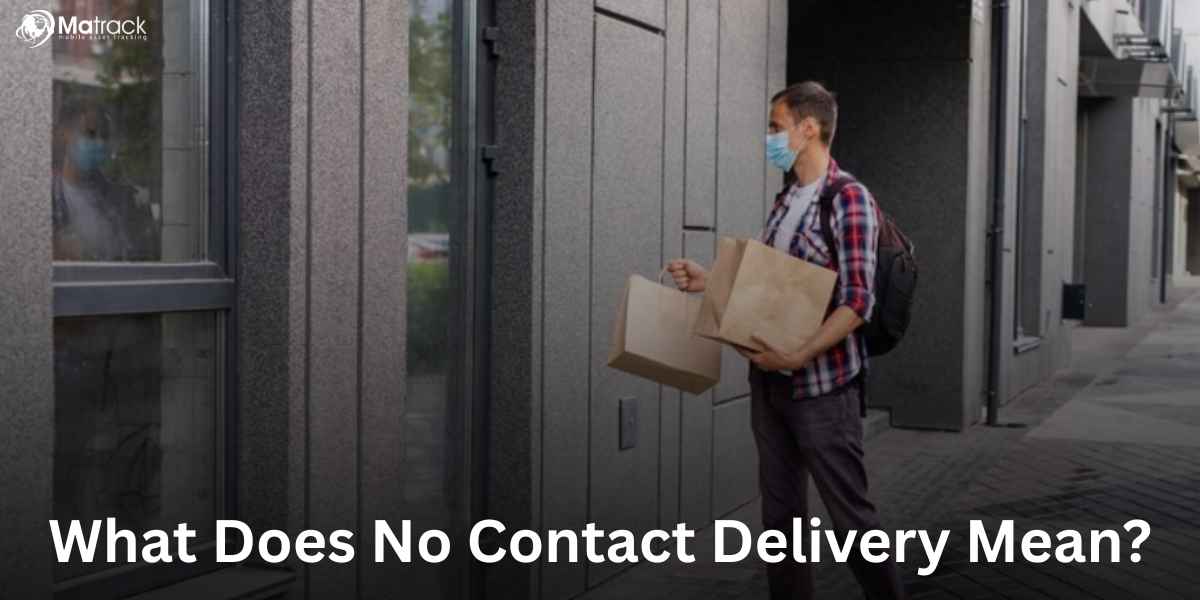
No contact delivery is a delivery method in which the driver leaves an order at a selected drop-off location instead of handing it directly to the customer. Delivery instructions, digital payment, and app-based communication replace the face-to-face exchange.
It usually applies to the final stage of last-mile delivery, when an order moves from a restaurant, store, warehouse, or pharmacy to the customer’s address. GPS tracking, SMS alerts, email updates, and delivery photos show order status and confirm where the driver left it. Customers provide access details, choose a suitable drop-off spot, and collect the order after notification.
What Are the Types of No Contact Delivery?
The formats below differ by drop-off location, collection method, and whether direct verification is required. U.S. retail e-commerce sales increased 9.8% year over year in the first quarter of 2026, according to the latest U.S. Census Bureau estimate available as of August 14, 2026. U.S. Census Bureau, May 18, 2026
Doorstep Drop-Off
In doorstep drop-off, the driver leaves the order at the customer’s door, porch, apartment entrance, or another selected spot. The delivery is then marked complete, and the customer receives an app, SMS, or email update.
Curbside Pickup
Curbside pickup is a related contactless fulfillment format rather than a doorstep drop-off. The customer collects the order from a designated location such as a store entrance, parking zone, or reception area instead of receiving it from the driver at the door.
Locker Delivery
Secure lockers, parcel boxes, and access-controlled pickup units hold packages until collection. Locker users usually receive a code, QR prompt, or app notification to access the package without interacting directly with the driver.
Verified Drop-Off
Verified drop-off adds a completion record to the delivery through a photo, timestamp, delivery note, or completed status in the app.
Limited Contact
Some orders cannot be fully contactless because they require ID checks, a signature, age verification, or direct confirmation. Alcohol, prescription items, high-value goods, and other regulated products may involve brief verification before release.
How Does No Contact Delivery Work?
No contact delivery moves an order from prepaid checkout to a designated drop-off through delivery instructions, dispatch, tracking, and digital proof instead of a face-to-face exchange.
Order & Payment
Buyers confirm the order, select a delivery address, and complete payment before dispatch. Prepaid checkout removes cash handling from the handoff and gives the business a transaction record. Order confirmation puts customer details, payment status, and delivery notes in place before the driver starts the route.
Delivery Instructions
Drop-off instructions identify the destination and where the order should be left. Apartment numbers, gate codes, floor details, landmarks, and safety notes give the driver context for buildings or properties that are easy to misread.
Dispatch & Routing
After the order is ready, dispatch assigns it to a driver and maps the route. Turn-by-turn navigation supports the last-mile delivery stage by limiting missed turns and unnecessary route changes. Route planning lets delivery teams group nearby orders, reduce unnecessary mileage, and manage busy delivery windows.
Tracking & Updates
Real-time updates reach the customer through SMS, push notifications, email alerts, or app status changes. These updates show order progress, driver movement, and estimated arrival time.
Drop-Off & Proof
At the selected location, the driver leaves the order in a spot that avoids obvious obstruction or exposure where possible. An uploaded image, app status update, delivery note, or similar record documents completion for the recipient and customer support team.
Why Does No Contact Delivery Matter?
No contact delivery separates order completion from the customer’s availability at the door while preserving a digital record of the drop-off.
What Are the Benefits of No Contact Delivery?
The practical benefits fall into four areas: physical contact, stop time, customer availability, and delivery records.
- Fewer physical touchpoints: Direct interaction between the driver and customer is unnecessary, and digital payment removes cash from the exchange.
- Faster order completion: A defined drop-off location removes the wait for someone to answer the door, leaving more route time for remaining deliveries.
- Customer convenience: Recipients do not have to interrupt work, rest, or daily routines to meet the driver; notifications tell them when the order is ready to collect.
- Shared delivery record: Drop-off notes, GPS tracking, and photo confirmation give the customer, driver, and support team the same reference if the location is questioned.
What Are the Challenges of No Contact Delivery?
Challenges stem from the absence of a direct handoff, particularly when access, placement, or confirmation is incomplete.
- Wrong drop-off location: Unclear addresses, missing apartment numbers, incorrect pins, or vague notes create a risk of the order reaching the wrong door or building, especially at multi-unit properties.
- Package theft risk: Orders left in open areas, shared buildings, office lobbies, or busy entry points may be exposed to theft; prompt notifications and proof-of-delivery photos provide a record of where the item was left.
- Weather and temperature exposure: Food, groceries, medicines, flowers, and retail packages left outside are exposed to rain, heat, cold, and direct sunlight. Covered drop-off spots and prompt collection limit exposure.
- Access issues: Missing gate codes or building directions may prevent the driver from reaching the requested spot in gated communities, apartment buildings, hospitals, campuses, and office complexes.
- Delayed customer pickup: A completed drop-off does not mean immediate collection; food, groceries, and packages remain outside longer when the recipient misses the alert.
- Verification disputes: A photo or app status update does not resolve a dispute if it fails to show the door, unit number, or surrounding location well enough to identify the drop-off point.
- Weak communication: Missing status updates or vague driver notes leave customers unsure whether the order is still in transit or already delivered.
How Can Businesses Improve No Contact Delivery?
Checkout forms should capture the unit number, access code, and preferred drop-off spot before dispatch. Keeping those instructions with the order avoids a separate call when the driver reaches the address.
Real-time tracking paired with SMS, email, or app alerts at dispatch, approaching arrival, and completion gives customers time to collect orders left outside or in shared spaces.
Proof of delivery should identify the final location rather than simply show that a photo was taken. Visible location details and delivery notes give support teams enough context to verify the drop-off. Safer placement guidance limits exposure to weather and theft, while organized dispatch planning reduces missed windows and unnecessary route changes.
Final Thoughts
A dependable no-contact workflow depends on precise drop-off instructions, timely status updates, and verifiable delivery confirmation.
Frequently Asked Questions
The practical limits of no contact delivery depend on whether an order can be left safely and whether direct verification is required.
Is no contact delivery the same as contactless delivery?
Yes. Both terms describe delivery without a direct physical handoff between the customer and driver.
Do I need to be home for no contact delivery?
No. Clear drop-off instructions let the driver leave the order when no one is available at the door, although timely pickup still matters for freshness, safety, and theft prevention.
How do I know my order has been delivered?
Most delivery apps send a completion notice through SMS, email, push notification, or an app status change. When available, a delivery image provides an additional record of the drop-off location.
Can all items be delivered using no contact delivery?
Not always. Items that require ID verification, signatures, age checks, or direct confirmation still need customer interaction before release.
Is no contact delivery still relevant today?
Yes. It remains a practical option when a recipient needs an order left at a designated location and confirmed digitally.