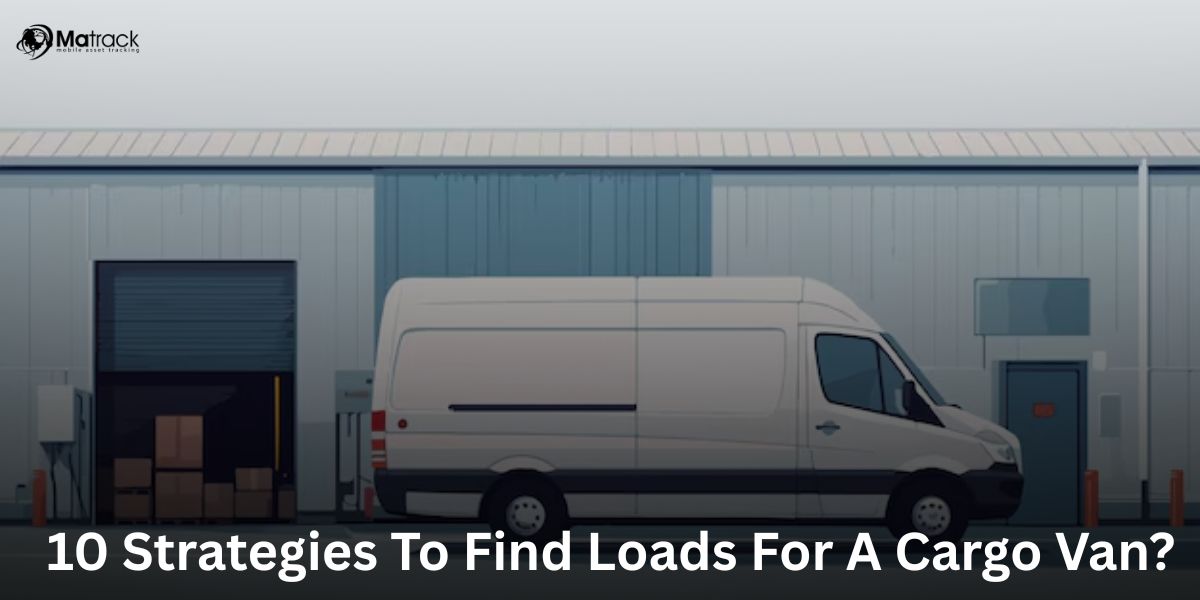


Cargo van load sourcing is the process of finding, securing, and managing freight jobs through different platforms and networks. For independent drivers and small operators, consistent load availability directly impacts income and vehicle utilization.
Strong sourcing systems reduce empty miles, improve route planning, and ensure steady earnings. In competitive logistics markets, operators who use multiple sourcing channels achieve higher stability and better long-term growth.
Unlike large trucking fleets, cargo van operators rely on flexible freight such as last-mile delivery, express shipping, and local logistics work; effective sourcing strategies ensure continuous workflow and reduced downtime.
What are the 10 cargo van load sourcing strategies?
Structured approach to load sourcing helps cargo van operators maintain consistent work and reduce downtime. Using multiple strategies improves access to different types of freight and increases earning potential.
1. Freight Load Boards
Freight load boards provide real-time access to available cargo van shipments across different locations and allow drivers to filter loads based on route, distance, and payout. Using load boards regularly helps identify high-demand areas and secure quick jobs and also offers flexibility in choosing schedules and routes.
2. Freight Broker Partnerships
Freight brokers connect drivers with shippers, making it easier to access consistent loads, handle coordination, and reduce the need for constant searching. Building strong relationships with brokers leads to repeat work opportunities and helps in negotiating better rates over time.
3. Local Business Contracts
Partnering with local businesses ensures steady delivery work for cargo van operators. Contracts often involve regular routes and scheduled deliveries. Local contracts reduce dependency on external platforms and also provide predictable income and long-term stability.
4. Courier and Delivery Platforms
Courier platforms offer immediate job opportunities, especially short-distance and same-day deliveries, useful for filling gaps between larger loads. Platforms provide flexibility and quick access to work, ideal for urban areas with high delivery demand.
5. Direct Shipper Connections
Working directly with shippers removes intermediaries, improves profit margins, and builds long-term business relationships. Direct connections often lead to consistency and freight. Provide better control over pricing and scheduling.
6. Networking and Referrals
Networking with other drivers and logistics professionals helps uncover new load opportunities; referrals often lead to trusted and recurring work. Industry connections improve access to insider information and job leads and strengthen business credibility over time.
7. Dedicated Dispatch Services
Dispatch services handle load sourcing, booking, and route planning for drivers and operators to focus on driving and deliveries. Professional dispatchers help secure consistent loads and assist with negotiation and scheduling.
8. Social Media and Online Groups
Online communities often share real-time job leads and freight opportunities. Groups are valuable for finding quick or urgent loads. Active participation increases visibility and connections and helps in staying updated with market demand.
9. Niche Freight Specialization
Focusing on a specific freight type reduces competition and increases demand. Specialized services often command better rates. Examples include medical supplies, auto parts, or time-sensitive deliveries; specialization builds expertise and reliability.
10. Multi-Platform Strategy
Using multiple sourcing methods together improves consistency and reduces dependency on one source and ensures continuous access to freight. Combining load boards, brokers, and direct clients creates a balanced workflow; the approach maximizes earning potential.
What are the tips for consistent load sourcing?
Consistent load sourcing requires a combination of strategy, planning, and relationship management.
- Maintain Clear Communication: Brokers and clients build trust and repeat business. Strong relationships improve load availability and reduce operational issues.
- Track High-Demand Routes: Locations to position for better freight opportunities. It reduces empty miles and improves efficiency.
- Optimize Availability: During peak delivery times to secure better-paying loads. Flexible scheduling increases chances of consistent work.
- Build Long-Term Relationships: Ensure a steady flow of repeat work, support stability, and reduce dependency on multiple platforms.
- Monitor Rates and Negotiate: Effectively, to maximize profitability, staying updated with market trends helps in better pricing decisions.
What are the cargo van load booking methods?
Structured booking approach helps cargo van operators secure loads and maintain consistency. Different booking methods offer varying levels of control, flexibility, and stability; choosing the right method depends on operational needs and long-term business goals.
Manual Booking
Manual booking allows drivers to select and secure loads directly through freight platforms or broker communication. Provides full control over routes, pricing, and scheduling decisions, suitable for flexible and independent operations.
Dispatch-Based Booking
Dispatch-based booking involves dispatchers handling load sourcing, negotiation, and scheduling. It reduces the effort of finding loads and ensures a consistent workflow, helping drivers focus on deliveries.
Contract-Based Booking
Contract-based booking is based on pre-agreed agreements with shippers for regular deliveries. Ensures fixed routes, predictable schedules, and consistent income, ideal for long-term stability and reduced uncertainty in load availability.
Final Thoughts
Cargo van load sourcing requires a combination of the right strategies, booking methods, and consistent effort. Relying on a single source limits opportunities, while a diversified approach helps maintain steady work and income.
Understanding different booking methods and applying practical sourcing strategies improves efficiency and reduces downtime and also allows operators to adapt to changing demand and market conditions.
A well-planned approach to load sourcing supports long-term growth, better profitability, and overall business stability for cargo van operators.
Frequently Asked Questions
What type of freight is best for cargo vans?
Cargo vans are commonly used for last-mile deliveries, medical supplies, retail shipments, auto parts, and time-sensitive freight because of their flexibility and quick delivery capability.
How can cargo van operators reduce empty miles?
Operators can reduce empty miles by using multiple load sourcing platforms, planning return loads in advance, and targeting high-demand freight areas.
Are dedicated contracts better than load boards for cargo vans?
Dedicated contracts provide more stable and predictable income, while load boards offer flexibility and access to a larger variety of freight opportunities.
Why is route planning important in cargo van operations?
Route planning helps reduce fuel costs, delivery delays, and unnecessary mileage while improving overall operational productivity and profitability.
Can cargo van operators work without freight brokers?
Yes, operators can work directly with shippers or local businesses, but freight brokers often help secure consistent loads and simplify load coordination.