

Matrack GPS Fleet Tracking is the Best for Small Fleets choice for operators that want commercial-grade telematics without a heavy rollout. Samsara GPS Fleet Tracking is the Best for Large and Complex Fleets pick for organizations coordinating a broader technology stack across more vehicles and locations.
Dispatchers managing active routes need current vehicle location and ETAs while schedules are still changing throughout the day. Mixed operations bring a hardware question: does the same deployment support vans and trucks alongside EVs or connected assets? Multi-stop work puts more pressure on route planning when time windows tighten or assignments change after drivers leave the yard.
Vehicle type and dispatch workload narrow the shortlist before maintenance and integration depth enter the decision. A basic feature sheet does not show whether route complexity, hardware fit, and ELD applicability match the operation. Update-rate claims require context because data collection, transmission, and map refresh are not automatically equivalent measurements.
Our Top Choices For Best GPS Tracking Devices For Delivery Trucks
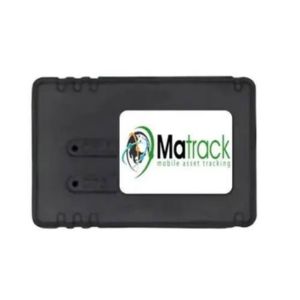 Matrack GPS Fleet Tracking
- Best For: Small fleets
- Delivery Strength: Location + geofences
- Hardware Fit: OBD, hardwired, magnetic
- Dispatch / Routing: Basic dispatch
- Driver / Vehicle Data: Alerts + activity
- FMCSA-Listed ELD: Separate
- Check First: Enterprise depth
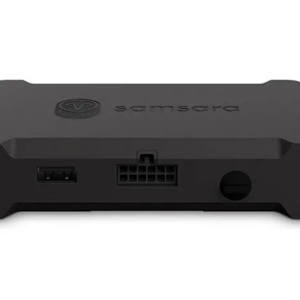 Samsara GPS Fleet Tracking
- Best For: Large, complex fleets
- Delivery Strength: Connected operations
- Hardware Fit: Vehicle Gateway
- Dispatch / Routing: Routing + dispatch
- Driver / Vehicle Data: Diagnostics + safety
- FMCSA-Listed ELD: Yes
- Check First: Platform scope
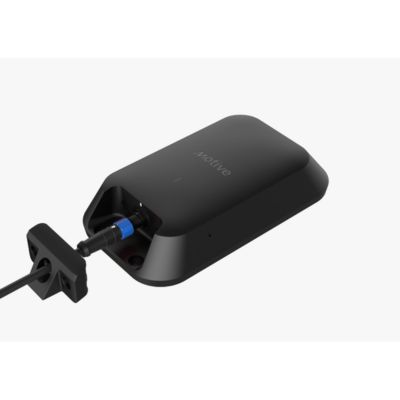 Motive GPS Fleet Tracking
- Best For: Dispatch visibility
- Delivery Strength: ETAs + proof
- Hardware Fit: Vehicle Gateway
- Dispatch / Routing: Rerouting
- Driver / Vehicle Data: Trip history
- FMCSA-Listed ELD: Yes
- Check First: Routing depth
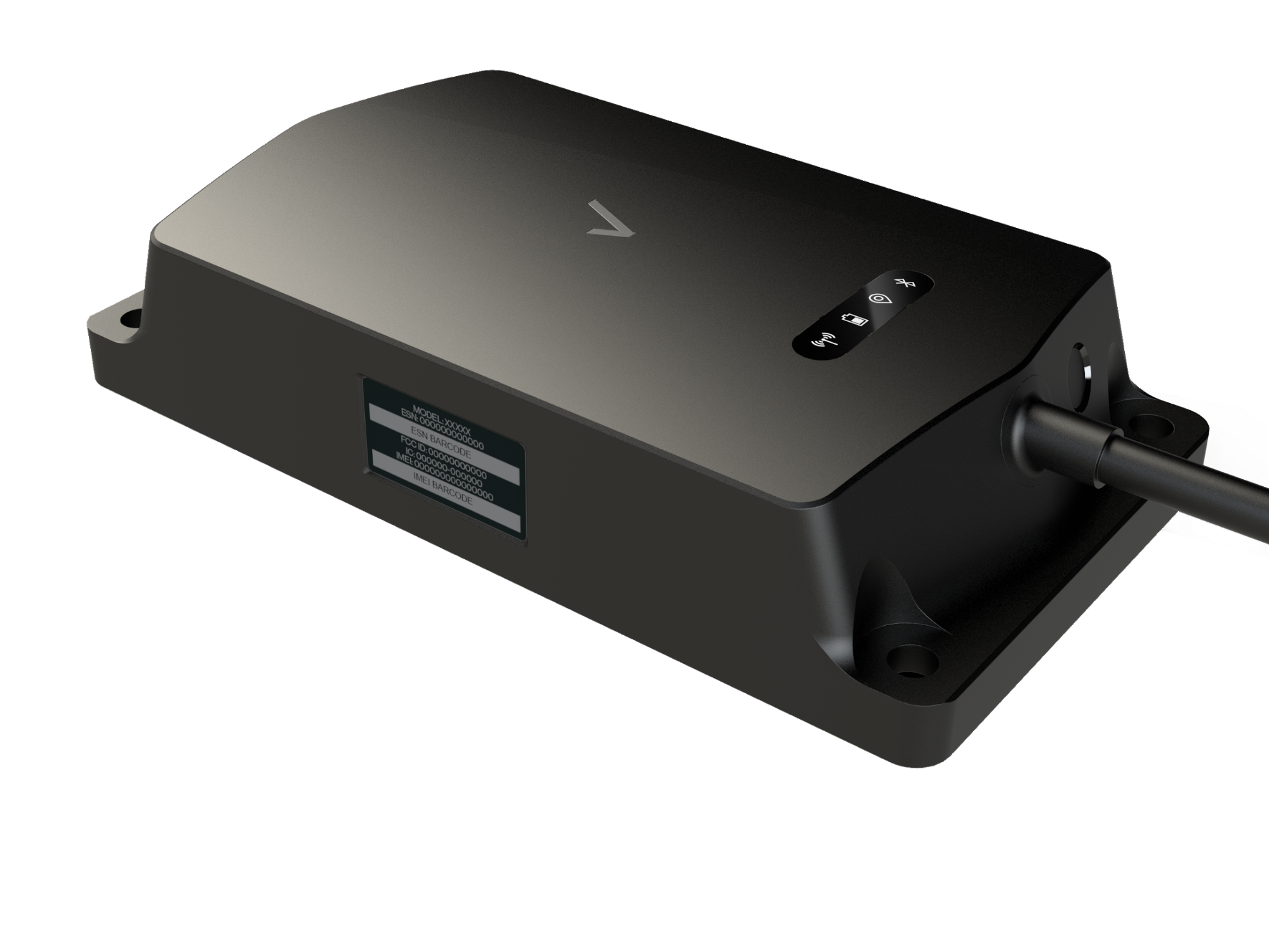 Verizon Connect Reveal
- Best For: Mixed fleets
- Delivery Strength: Maps + replay
- Hardware Fit: OEM + hardware
- Dispatch / Routing: Route replay
- Driver / Vehicle Data: Maintenance + assets
- FMCSA-Listed ELD: Yes
- Check First: VIN compatibility
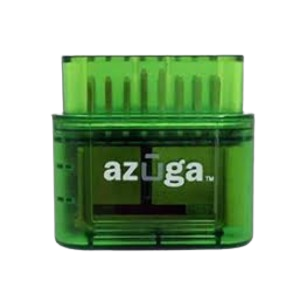 Azuga Fleet Tracking
- Best For: Route optimization
- Delivery Strength: Multi-stop planning
- Hardware Fit: OBD-II
- Dispatch / Routing: Advanced routing
- Driver / Vehicle Data: Scores + diagnostics
- FMCSA-Listed ELD: Yes
- Check First: Package coverage
How We Evaluated GPS Tracking Systems for Delivery Fleets
This comparison uses current official vendor documentation for product capabilities and FMCSA material for ELD registry status and regulatory applicability. No hands-on road test is claimed. The evaluation follows the work a delivery operation manages from dispatch through route completion. Each product is judged on documented functions and delivery relevance, not raw feature count.
- Vehicle visibility: current location, trip history, geofences, stop records, and movement outside expected areas.
- Dispatch execution: ETAs, rerouting, delivery progress, and proof or service-completion context.
- Routing depth: simple route visibility versus multi-stop planning, sequencing, and constraint-based optimization.
- Hardware fit: vehicle classes, installation method, EV support, powered assets, and non-powered assets where documented.
- Driver and vehicle insight: behavior events, diagnostics, maintenance information, and historical trip records.
- Compliance support: ELD availability only where the driver and operation actually require electronic logs.
- Scale and deployment: fit for small fleets, complex organizations, mixed vehicle groups, and broader connected-operations environments.
- Commercial terms: contract or deployment considerations only when the approved evidence supports them directly.
Vendor-stated update intervals were not ranked as though every number described the same technical event. Collection cadence, transmission timing, map refresh, and alert timing may describe different stages of the data path. A lower number alone is not evidence of better delivery fit. A feature missing from a vendor page was not treated as proof that the product lacks it. Each “Best for” label is an editorial fit classification tied to the operating problem assigned to that product. It is not a universal ranking, and it does not exclude other fleet sizes.
What Should a Delivery Fleet Look for in a GPS Tracking System?
Location and geofences
Current location shows where a vehicle is now. Trip history shows where it traveled and how long it stayed at a stop. Geofences record entries and exits at customer sites, yards, depots, or restricted areas. Those events help dispatch verify arrivals, departures, dwell, or unauthorized movement without calling the driver.Dispatch and ETAs
Dispatchers need more than map position. ETAs, rerouting, and delivery progress show what is happening next. Traffic or weather context and proof or service-completion records help the desk respond when schedules shift or customers ask for updates.Route planning
GPS tracking records where a vehicle is or was. Navigation gives turn-by-turn directions. Route optimization sequences multiple stops around time windows, depot locations, vehicle availability, or route rules. Confirm whether that capability is native, package-specific, or dependent on another product or integration.Hardware fit
OBD-II devices suit many light-duty vehicles and vans. Hardwired units fit vehicles that need a permanent connection or broader compatibility. OEM connections can cover supported makes and models, while trailers and other non-powered assets need hardware built for their power conditions. Verify the actual vehicle classes, model years, EVs, equipment, assets, and installation conditions before buying.Driver and vehicle data
Speed, harsh braking, idling, and related events give supervisors specific behavior records to review. Diagnostic data and maintenance schedules help identify vehicles that need inspection or service before another route.ELD applicability
ELD availability matters only when the driver and operation fall under applicable record-of-duty-status rules. FMCSA states that the rule generally applies to drivers required to maintain RODS, subject to limited exceptions. The short-haul exception currently uses a 150-air-mile radius and a 14-hour duty period, along with other conditions; local delivery alone does not establish it. FMCSA’s Registered ELD list reflects manufacturer self-certification, not agency approval or endorsement.What Are the Best GPS Tracking Systems for Delivery Trucks?
Delivery operations ask different things of GPS, from locating trucks and trailers to following active stops, connecting telematics across departments, covering mixed hardware, and reshaping daily schedules.
1. Matrack GPS Fleet Tracking — Best for Small Fleets
Light-duty vans take the MT-OBD-4G, which installs in about 30 seconds. Heavier trucks and equipment pair with the hardwired MT-WIRE-4G, with installation taking about 15 minutes. Trailers and other assets rely on the magnetic MT-MAG-S. Matrack GPS Fleet Tracking shows all three tracker types through its web and mobile view.
Moving trucks report their position every 10 seconds. A tunnel or cellular dead zone interrupts transmission rather than erasing that part of the trip, since the tracker stores coordinates until service returns. The delayed positions then fill the missing stretch in trip history and continue feeding geofence alerts.
SecureView Pro is available as an optional integration for operations that also want video. Camera footage adds visual context to incidents without changing the core GPS hardware lineup.
2. Samsara GPS Fleet Tracking — Best for Large and Complex Fleets
Maintenance may be checking a fault while another team follows an active delivery and safety staff review a separate event. Samsara GPS Fleet Tracking collects location every second and connects tracked trucks, trailers, and equipment with diagnostics, maintenance, safety, and compliance records. Each department works from information tied to the asset already under review.
Before departure, staff build the trip plan. After departure, live execution shows its progress, while truck-specific commercial navigation guides drivers along roads intended for commercial traffic.
More than 300 marketplace integrations connect Samsara with outside business tools. Operations already running maintenance, safety, dispatch, or back-office software have a direct path for sharing telematics between those applications. Basic location checks, geofences, and trip history would leave much of that broader functionality unused.
3. Motive GPS Fleet Tracking — Best for Delivery Visibility and Dispatch
A truck may still be moving even though its assigned stop is late or incomplete. Motive GPS Fleet Tracking refreshes GPS and telematics information every 1–2 seconds, then shows active jobs and stop status in Fleet View. Staff checking the delivery see its road position beside the status of the assigned work rather than estimating progress from a map marker.
Customer communication starts from that active job. A live tracking link shares the ETA without requiring the recipient to create a Motive account. At the stop, drivers attach notes, photos, and signatures through the Driver App, with supporting documents available for proof of delivery after the drop.
4. Verizon Connect Reveal — Best for Mixed Fleets
A newer delivery van may already report through factory telematics, while an older truck or piece of equipment still needs aftermarket hardware. Verizon Connect Reveal accepts both sources, removing the need to standardize every tracked unit around a single device type.
EVs and PHEVs appear beside conventional trucks and tracked assets in the dashboard. Managers may move from an OEM-connected van to aftermarket-equipped equipment without switching tracking environments.
Reveal refreshes location as often as every 30 seconds. Frequent turns or short gaps between delivery stops therefore appear with less positional detail than a second-level GPS feed.
5. Azuga Fleet Tracking — Best for Route Optimization
Distance is only part of the planning problem when deliveries carry time windows, capacity limits, depot requirements, or commercial-road restrictions. Azuga Routes applies those conditions before the stops are assigned, while Azuga Fleet handles location tracking after departure.
Staff may optimize several schedules together and reduce the total number required for the day. An individual trip supports unlimited stops, so dense delivery schedules are not restricted by a fixed stop ceiling. The stop sequence reflects operating requirements instead of distance by itself.
Changes after departure do not require the original schedule to remain fixed. Staff revise the plan as conditions develop, predictive ETAs update with the new timing, and customer notifications pass the revised arrival estimate to recipients.
Which GPS Tracking System Fits Your Delivery Fleet?
Match the shortlist to the operating problem that consumes the most time or creates the most uncertainty during the delivery day. Fleet size sets the scale of the deployment, but dispatch workload, route density, vehicle mix, and hardware needs determine which product deserves closer evaluation.
- Matrack GPS Fleet Tracking: Start here for a small delivery fleet that needs commercial vehicle tracking, multiple installation options, geofences, and straightforward location oversight. The small-fleet label describes deployment fit; larger organizations are not excluded from using the platform.
- Samsara GPS Fleet Tracking: Consider it when a larger or more complex operation wants location records connected with diagnostics, maintenance, safety, dispatch, and compliance functions. A fleet seeking only basic GPS should decide whether that broader connected-operations stack matches the scope of the purchase.
- Motive GPS Fleet Tracking: Put it on the shortlist when dispatchers rely on ETAs, active trip context, and rerouting. Traffic, weather, and proof or service status add more delivery context.
- Verizon Connect Reveal: Evaluate it for mixed fleets combining different vehicle types, EVs, equipment, or assets. Verify the proposed OEM or hardware path against the actual VIN, make, model, configuration, and asset mix before standardizing the deployment.
- Azuga Fleet Tracking + Azuga Routes: Focus here when multi-stop planning, time windows, predictive ETAs, and route changes are central to the operation. Confirm which routing functions belong to the selected package instead of assuming every GPS subscription includes the full routing layer.
Determine ELD applicability before making compliance support a deciding factor in a regulated fleet. Short-haul operations need the FMCSA exception conditions checked before local delivery work is treated as requiring or avoiding electronic logging.
Final Verdict
The best GPS tracking system for a delivery fleet is the one whose documented capabilities match the work that operation has to manage. Small fleets often put more weight on straightforward deployment and hardware choice. Larger organizations may need location records tied to maintenance, safety, dispatch, and compliance functions across a broader technology stack.
Dispatch-heavy teams need ETAs and service-status context, route-heavy operations need genuine multi-stop planning, and mixed fleets need verified hardware coverage across the vehicles and assets they run. ELD capability belongs in the decision only when the drivers and operation fall under the applicable logging rules. Build the final shortlist around fleet size, dispatch complexity, route requirements, vehicle mix, and regulatory status instead of raw feature count.