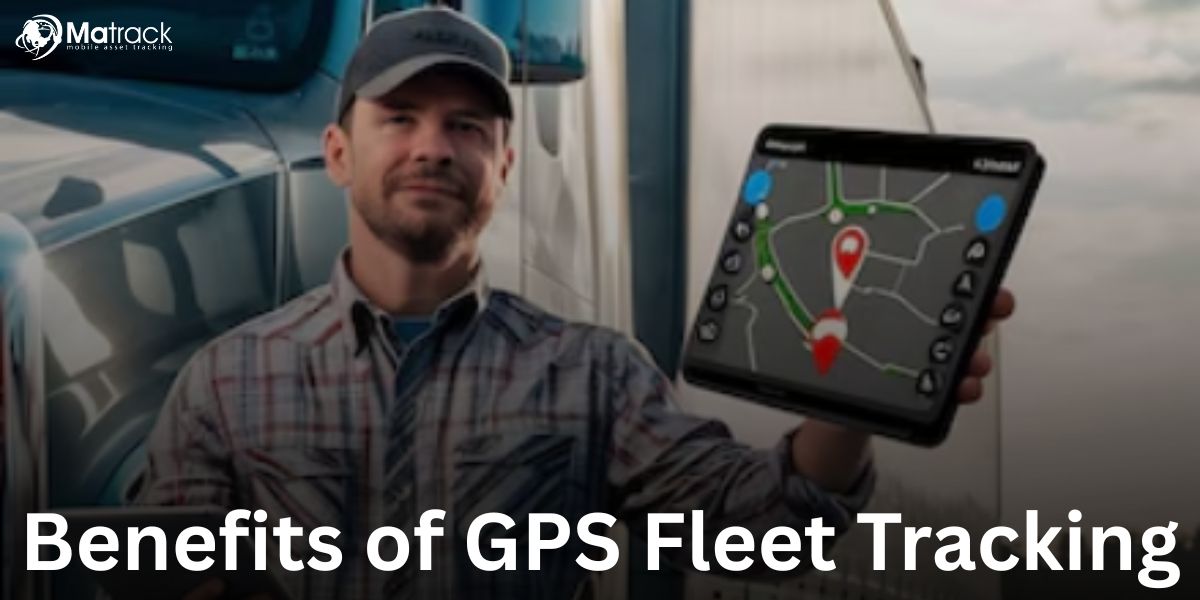


GPS fleet tracking benefits businesses by giving real-time visibility into vehicles, drivers, and routes. Managers can spot delays quickly, track movement accurately, and keep operations running without constant manual follow-ups.
Fuel waste, idle time, and inefficient routes become easier to control with live tracking data. Faster decisions based on actual fleet activity help reduce costs and support steady productivity.
Safer driving habits also develop when driver behavior and vehicle usage stay visible throughout the day. Reliable tracking records help businesses support compliance, improve service, and give customers accurate delivery updates.
What Are the 12 Benefits of GPS Fleet Tracking?
1. Real-Time Vehicle Tracking
Complete visibility over vehicle movement removes guesswork from daily fleet operations. Managers stay informed about location, route progress, and delays without relying on manual updates.
Dispatch decisions become faster when nearby vehicles can be identified instantly. A delivery team can assign urgent pickups to the closest driver and maintain service timelines without disruption.
2. Improved Route Optimization
Access to route history and traffic patterns allows planning across all trips. Inefficient paths, repeated delays, and unnecessary detours become easier to identify and fix.
Congested roads during peak hours often slow down multiple vehicles across the fleet. Drivers can be redirected dynamically to faster routes, keeping deliveries consistent and predictable.
3. Reduced Fuel Consumption
Uncontrolled idling, inefficient routes, and inconsistent driving habits often increase fuel expenses. Tracking systems expose these inefficiencies so corrective actions can be applied quickly.
Fuel-heavy routes and long idle periods can quietly raise operational costs over time. Adjustments in routing and driving behavior help reduce overall fuel usage across the fleet.
4. Better Driver Behavior Monitoring
Driving patterns such as speeding, harsh braking, and rapid acceleration become visible through tracking data. Clear performance insights help identify areas where improvement is needed.
Consistent monitoring encourages more responsible driving habits across teams. Risky behavior can be corrected through feedback, reducing both accident risk and vehicle wear.
5. Enhanced Fleet Safety
Operational safety improves when vehicle activity and driving patterns are continuously monitored. Alerts and insights help prevent unsafe situations before they escalate into serious incidents.
Repeated violations such as overspeeding or aggressive driving increase exposure to accidents. Immediate visibility allows managers to take action and reinforce safer practices across the fleet.
6. Preventive Maintenance Alerts
Vehicle condition becomes easier to manage with continuous tracking of mileage and usage data. Maintenance schedules can be aligned with actual vehicle activity instead of fixed timelines.
Unexpected breakdowns often disrupt operations and increase repair costs. Timely servicing based on real usage keeps vehicles reliable and reduces downtime.
7. Theft Prevention and Recovery
Continuous tracking strengthens vehicle security and reduces the risk of asset loss. Movement can be monitored even outside working hours through defined operational boundaries.
Unauthorized activity becomes visible the moment a vehicle leaves its approved zone. Quick alerts improve response time and increase the chances of successful recovery.
8. Increased Productivity
Coordination between drivers and dispatch teams improves overall work output. Time previously spent on manual communication and planning gets significantly reduced.
Service teams can handle more assignments when scheduling becomes more efficient. Reduced downtime between tasks leads to higher daily productivity.
9. Accurate Time Tracking
Precise records of trip start, stop, and duration provide clarity in daily operations. Work hours and service timelines become easier to verify without manual logs.
Disputes related to job duration or delays can be resolved with actual tracking data. Reliable records support accurate billing and performance evaluation.
10. Data-Driven Decision Making
Operational data collected from vehicles provides meaningful insights into performance trends. Managers can evaluate efficiency, costs, and usage patterns with greater accuracy.
Patterns in fuel usage, route delays, or driver performance reveal areas for improvement. Decisions based on real data lead to long-term planning and resource allocation.
11. Regulatory Compliance Support
Accurate tracking records help maintain proper documentation for fleet operations. Trip history, driver activity, and vehicle usage become easier to manage and review.
Compliance requirements often demand clear operational records and reporting. Organized data simplifies audits and strengthens accountability within the business.
12. Improved Customer Satisfaction
Service reliability improves when delivery times and schedules are more predictable. Customers benefit from accurate updates and communication.
Delays and uncertainty often reduce trust in service-based businesses. Real-time tracking allows teams to provide precise updates, improving overall customer experience.
How Does Matrack GPS Fleet Tracking Improve Daily Fleet Operations?
Matrack GPS Fleet Tracking combines real-time vehicle tracking, telematics data, and a centralized dashboard to give complete visibility into fleet activity. Managers can monitor routes, driver behavior, and vehicle status from a single platform without relying on manual coordination.
Built-in tools such as route optimization, dispatch management, geofencing, and instant alerts help streamline daily operations and reduce delays. Integrated ELD tracking and automated reporting also support compliance, making it easier to manage logs, audits, and operational records with minimal effort.
AI-powered fuel insights, preventive maintenance alerts, and customizable reporting turn raw data into practical decisions that improve efficiency and reduce costs. Mobile access, easy installation, and support for multiple asset types allow businesses to manage fleets of any size with greater control and flexibility.