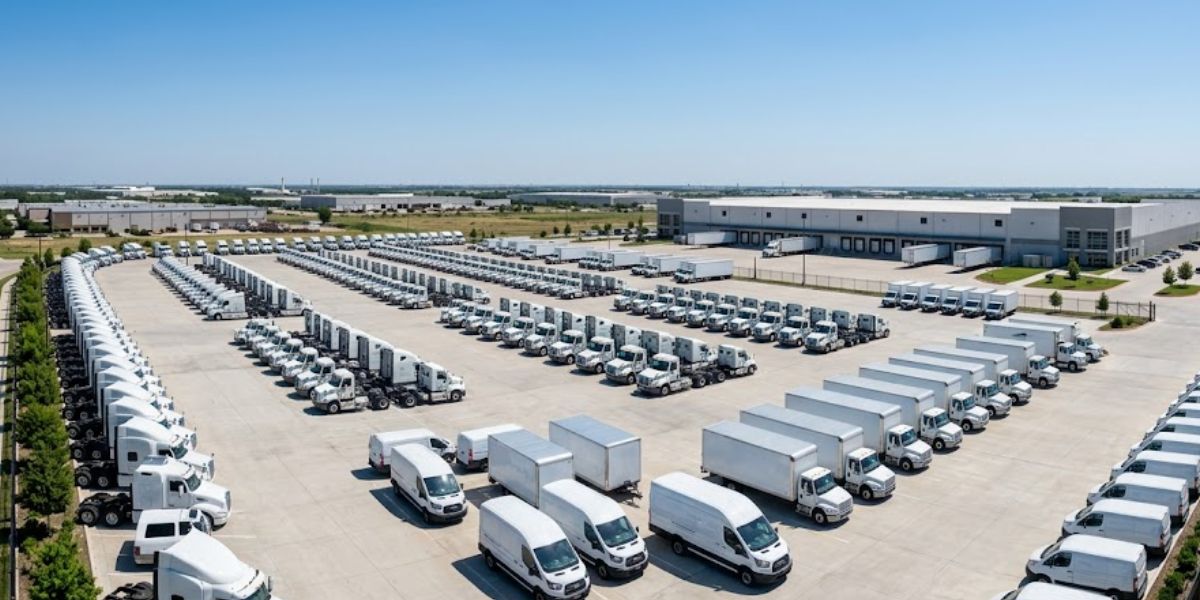


Matrack GPS Fleet Tracking is our top choice for small fleets, as it combines live location, trip records, driver alerts, and maintenance reminders with low monthly subscription and no long-term contract. Samsara adds diagnostics, safety management, asset oversight, and integrations for companies coordinating a larger fleet and more equipment.
A local service business with only a few vans may care mostly about knowing where drivers are and reviewing recent trips. More routes, drivers, assets, or compliance responsibilities bring hardware, installation, reporting, and contract terms into the buying decision.
Capterra’s September 2026 analysis of 4,018 verified small-business fleet software reviews found 1,545 positive mentions for ease of use and setup. Time savings and GPS tracking accuracy were also among the benefits cited most often.
Our Top Picks: Best Fleet GPS Tracking Solutions
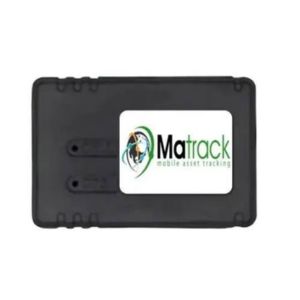
- Best For: Owner-operators & small fleets
- Starting Price: $14.95/device/month + $50 hardware
- Installation: ~15 minutes
- GPS Reporting: 10-second to 1-minute pings (depending on the plan)
- Contract Terms: No long-term contract
- Key Consideration: Published entry-level costs
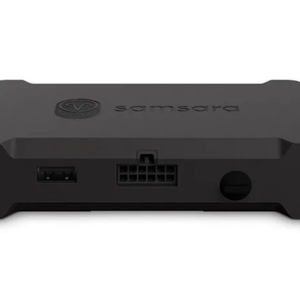
- Best For: Enterprise fleets
- Starting Price: Custom quote required
- Installation: Varies by hardware
- GPS Reporting: Real-time (1-second updates)
- Contract Terms: 36-month minimum (paid upfront)
- Key Consideration: Complex operations & rapid refresh
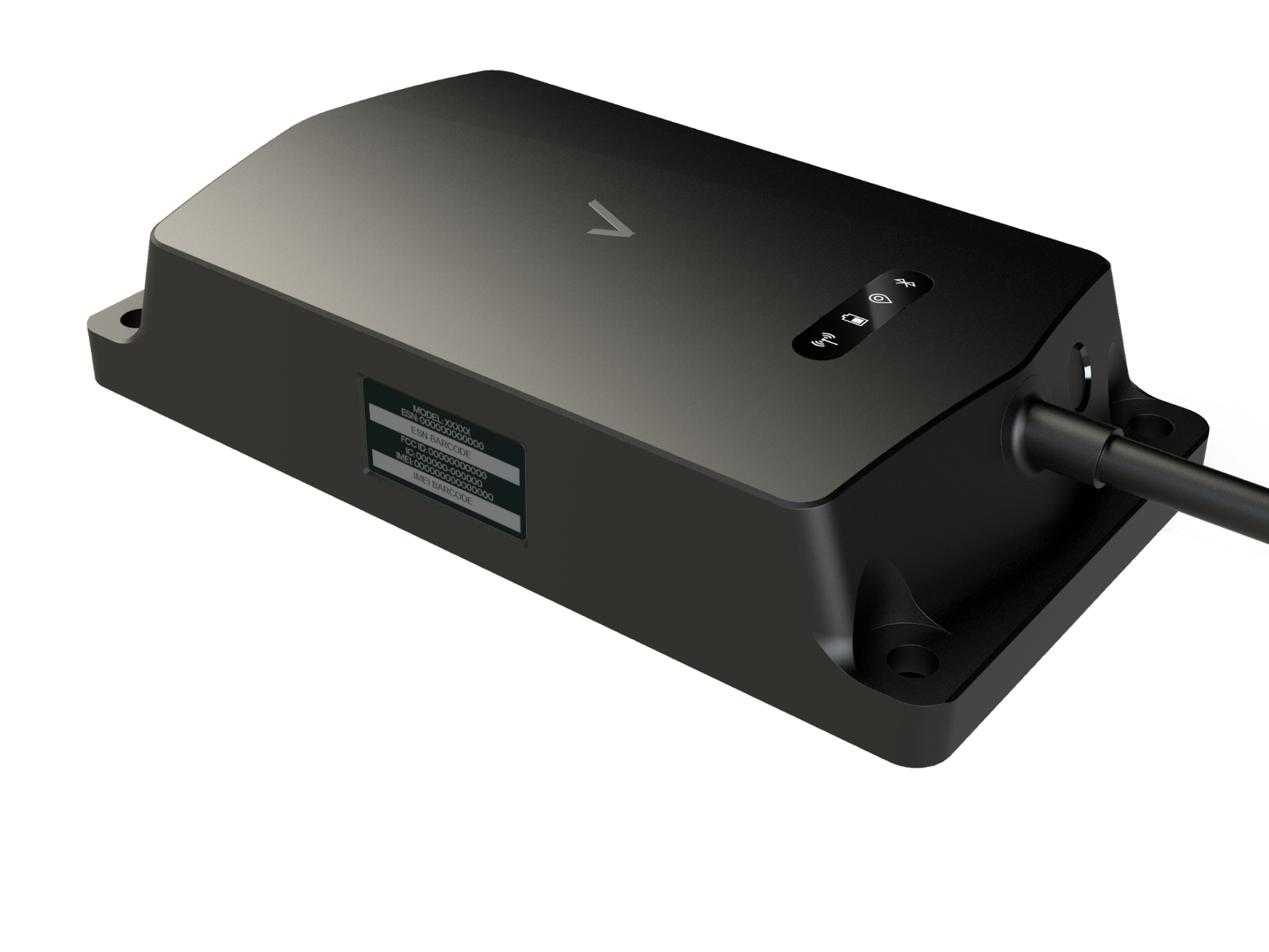
- Best For: Mixed fleets
- Starting Price: Custom quote required
- Installation: OEM + aftermarket
- GPS Reporting: 30-second pings (up to 90 seconds while moving)
- Contract Terms: Flexible terms (36-month standard)
- Key Consideration: Diverse deployment options
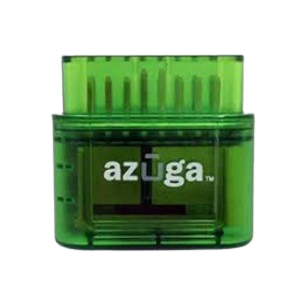
- Best For: Route optimization
- Starting Price: $25/vehicle/month
- Installation: Plug-and-play OBD-II
- GPS Reporting: 30-second to 2-minute refreshes
- Contract Terms: 36-month standard (coterminous device terms)
- Key Consideration: Published entry price with strict contract lengths
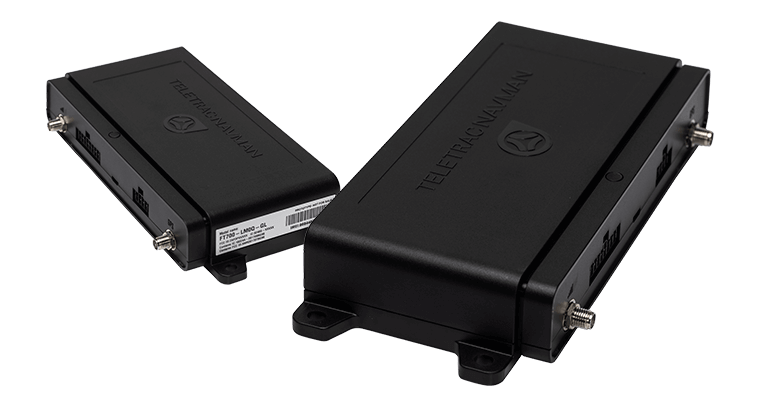
- Best For: Driver safety
- Starting Price: Custom quote required
- Installation: OEM options available
- GPS Reporting: 1-minute to 2-minute updates
- Contract Terms: 36-month standard (auto-renewal clauses)
- Key Consideration: Heavy-duty coaching workflows
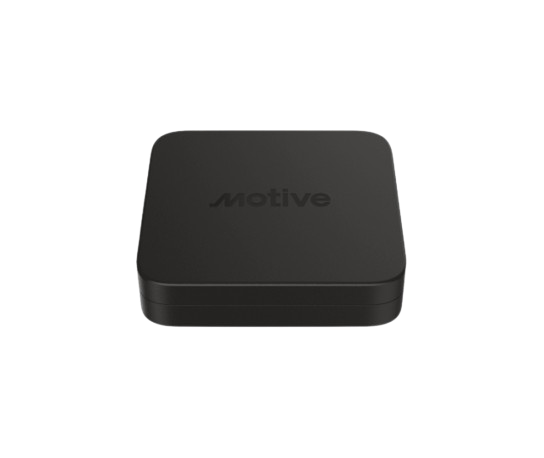
- Best For: Vehicles & equipment
- Starting Price: Custom quote required
- Installation: Varies by hardware
- GPS Reporting: Real-time (1 to 3-second refreshes)
- Contract Terms: 12 to 36-month options
- Key Consideration: Exceptional asset coverage & live maps
How We Evaluated Fleet Trackers for Small Businesses
A small fleet needs to know the cost, installation requirements, location update frequency, and contract commitment before choosing a tracker. Current vendor documentation was checked against these purchase factors before the products were compared.
The main factors were:
- Cost: monthly fees and hardware charges
- Setup: device type and installation method
- Location updates: ping or reporting interval
- Contracts: term length and flexibility
- Fleet tasks: routing, maintenance, driver activity, and mobile access
- User feedback: recurring comments on usability, connectivity, billing, and app performance
Official product pages were the source for technical specifications. Pricing and contract details came from commercial documentation. Independent reviews and verified customer feedback were checked for recurring issues across multiple users, while isolated complaints were kept separate.
What Are The Best GPS Fleet Tracking For Small Business In 2026?
The best fleet tracker for a small business depends on whether the priority is vehicle tracking, fleet growth, route planning, driver safety, industry-specific workflows, or visibility across vehicles and equipment.
1. Matrack GPS Fleet Tracking — Best for Owner-Operators and Small Fleets
Matrack GPS Fleet Tracking has three tracker options for different vehicles and equipment. The OBD tracker plugs into cars, vans, and light trucks, the hardwired unit is intended for heavier vehicles and equipment, and the magnetic tracker mounts on trailers or other assets. All three report to the same GPS dashboard and mobile app.
Moving vehicles report their position every 10 seconds, and Matrack states horizontal accuracy of under three meters. A dispatcher or business owner can see whether a van reached a customer, follow a delivery between stops, or check when a truck returned to the yard. Unlimited geofences mark customer sites, yards, job locations, or restricted areas, with push, text, or email alerts for arrivals and departures. Entry and exit logs remain available for checking visit times later.
During a cellular outage, location records stay on the tracker and upload after the connection returns, reducing gaps in trip history. ELD and AI dashcam add-ons are available for fleets that need compliance logging or video monitoring alongside GPS tracking.
Key Features
- Real-time tracking
- Geofencing for security
- Custom reports for insights
- Easy-to-use dashboard
- Maintenance tracking
Alerts
- Speeding notifications
- Ignition on/off
- Low battery
- Hard braking
- Boundary exit/entrance
Pros and Cons
| Pros | Cons |
|---|---|
| ✔Makes log tracking easy | ✖Minor sync delays in status updates |
| ✔Real-time updates ensure compliance without delay |
2. Samsara — Best for Growing Startups
A startup can outgrow basic GPS tracking quickly as it adds vehicles, drivers, maintenance work, and compliance requirements. The Samsara Vehicle Gateway supplies location and vehicle information, with cameras, maintenance tools, and compliance features available through the same fleet platform.
As more of those functions become necessary, vehicle records, safety footage, maintenance activity, and compliance information stay connected instead of being spread across separate tools. Samsara also supports integrations with other business software.
Key Features
- Smart routing and dispatching
- Live location sharing
- Vehicle diagnostics tracking
- Custom reports
Alerts
- Speeding
- Maintenance reminders
- Route changes
Pros and Cons
| Pros | Cons |
|---|---|
| ✔Compliance support for safety regulations | ✖Notification on email and SMS takes time |
| ✔Engine diagnostics tracking |
3. Verizon Connect Reveal — Best for Industry-Specific Fleets
Construction companies, utilities, distributors, and field-service providers rarely manage every vehicle, employee, and job the same way. Verizon Connect Reveal can assign permissions, alerts, maps, and field-service functions according to different roles, while compatible OEM data brings supported vehicle information into Reveal without requiring the same aftermarket hardware on every vehicle.
APIs connect fleet records with other business applications. Verizon requires at least five tracking units.
Key Features
- Predictive maintenance alerts
- Reduce Fuel cost and route analytics
- Automated compliance tracking
Alerts
- Vehicle health updates
- Fuel usage alerts
- Route deviations
Pros and Cons
| Pros | Cons |
|---|---|
| ✔ API connect | ✖Connection issues |
| ✔Roadside assistance |
4. Azuga Routes — Best for Route Optimization
For a delivery or service business, knowing where a vehicle is does not answer the harder question of where it should go next. Azuga Routes builds schedules around time windows, multiple depots, vehicle constraints, and commercial-road requirements before the driver leaves.
Dispatchers can send routes to drivers, adjust schedules, and use predictive arrival information for customer updates. Planned-versus-actual records show where the completed trip differed from the original schedule, while recurring routes can be saved instead of rebuilt every day.
Azuga Routes is presented separately from the standard Azuga Fleet packages. Buyers focused on route planning should confirm how the routing product is packaged rather than assume the full optimization system comes with regular fleet tracking.
Key Features
- Route optimization
- Quick installation
- Tracking driver behaviour
Alerts
- Route efficiency updates
- Hard braking alerts
- Speeding notifications
Pros and Cons
| Pros | Cons |
|---|---|
| ✔Optional dash cam for added visibility | ✖Advanced analytics require extra setup |
| ✔Fuel card option for expense tracking |
5. Teletrac Navman TN360 — Best for Driver Safety Coaching
A speeding or harsh-braking alert records an event, but coaching depends on whether the same behavior repeats. TN360 scorecards track speeding, acceleration, braking, cornering, and idling over time, while camera footage adds context to a flagged event before a manager discusses it with the driver.
Real-time feedback addresses unsafe behavior during the drive, and personalized coaching follows recurring patterns afterward.
Key Features
- Driver behaviour monitoring
- Custom scorecards
- Compliance tracking
- Safety coaching tools
Alerts
- Harsh braking alerts
- Driver distraction warnings
- Compliance updates
Pros and Cons
| Pros | Cons |
|---|---|
| ✔Focus on driver safety and accountability | ✖Difficulty in syncing |
| ✔Simple dashboard with essential data |
6. Motive — Best for Full Fleet Visibility Across Vehicles and Equipment
A fleet does not always stop at the truck. Motive tracks trailers, powered equipment, and non-powered assets alongside road vehicles, with equipment monitoring recording location and utilization.
In trucking, construction, or field service, a manager can locate the truck, check its trailer, and see where job equipment is without moving between separate tracking tools.
Key Features
- Historical tracking
- Strong geofencing alerts
- Compliance monitoring
- Automated reporting
Alerts
- Unauthorized vehicle movement
- HOS violation warnings
- Route changes
Pros and Cons
| Pros | Cons |
|---|---|
| ✔Fleet tracking with minimal lag | ✖The monthly cost is higher than some competitors |
| ✔Tamper-proof tracking |
How Much Does Fleet Tracking Cost a Small Business?
A tracker’s first-year expense usually comes from two places: the device and the subscription. Matrack publishes both, so owner-operators can budget a deployment without waiting for a sales quote.
The Hardwire Classic is $50, and service starts at $14.95 per device per month.
Fleet Size | Hardware | 12-Month Service | First-Year Base Cost |
5 vehicles | $250 | $897 | $1,147 |
10 vehicles | $500 | $1,794 | $2,294 |
25 vehicles | $1,250 | $4,485 | $5,735 |
Azuga’s BasicFleet plan starts at $25 per vehicle per month.
Fleet Size | Monthly Base | 12-Month Subscription |
5 vehicles | $125 | $1,500 |
10 vehicles | $250 | $3,000 |
25 vehicles | $625 | $7,500 |
The figures above cover base charges only. Taxes, add-ons, installation, or higher tiers can raise the final bill. Samsara and Motive use custom quotes. Verizon Connect Reveal and Teletrac Navman TN360 vary by equipment and deployment.
For owner-operators and small fleets focused on predictable spending and contract flexibility, Matrack is the best option. Its $14.95 monthly rate and $50 hardware price are available upfront, and service does not require a long-term contract. A five-vehicle setup has a base total of $1,147 for the first 12 months before taxes or optional products.
What Does Real-Time GPS Tracking Actually Mean?
GPS Sampling
Sampling determines how often the device records where a vehicle is. More frequent readings create a finer trip history, but they do not show how quickly dispatch sees movement.Device Transmission
Recorded coordinates still have to reach the server. The sending interval may differ from the sampling rate, and cellular coverage can affect when an update gets through. Two providers can therefore publish different numbers while measuring different parts of the process.Platform Refresh
For dispatchers, the practical question is how quickly fresh movement appears on the map or mobile app. A fast device interval matters less when the visible update arrives later.Asset Check-In
Trailers and equipment often use battery-powered hardware, so constant communication would shorten battery life. Longer check-ins can work well for assets that spend hours at the same yard or job site. An active service vehicle usually needs faster updates because its location affects routing and customer timing. A 10-second ping and a 30-second dashboard refresh are not directly comparable. The useful number is the one that matches how the fleet will use the data.Which Fleet Tracker Fits the Complexity of Your Operation?
Low Complexity
A local contractor with predictable assignments may only need a live map, recent trips, basic alerts, and maintenance reminders. Quick installation limits setup work for an owner who handles dispatch personally. Flexible billing avoids a long commitment. Matrack GPS Fleet Tracking includes those core functions without a long-term contract.Moderate Complexity
Coordination changes when schedules shift throughout the day and several people are involved. Geofences help confirm arrivals, while route records show how vehicles moved between jobs. That gives dispatchers more context when plans change during the day. Access starts to matter too. Dispatchers follow active routes, supervisors review exceptions, and shop personnel watch upcoming service dates. Each person can focus on the information tied to their role instead of relying on one person to manage everything.Higher Complexity
Multiple yards, trailers, formal safety programs, or Hours-of-Service obligations introduce separate workflows for compliance, video review, asset monitoring, and fleet administration. Matrack handles those areas through dedicated modules:- ELD: Hours-of-Service logs, DVIR, and IFTA mileage
- AI dashcams: video evidence and distracted-driving detection
- Asset tracking: containers, generators, trailers, and other equipment
- Fleet management: job assignment, preventive maintenance, fuel data, and reports
Which Fleet Tracker Fits the Way Your Business Operates?
GPS tracking needs change with the way vehicles and assets are used.
- Service fleets: Current positions and recent trips help dispatchers assign the nearest technician. Arrival alerts confirm job-site timing without another phone call.
- Delivery and multi-stop operations: A late stop can disrupt everything scheduled after it. Live progress shows when the schedule starts slipping, while mileage history exposes unnecessary detours.
- Construction businesses: Crews often leave trailers or equipment at a yard or job site after the truck departs. Those assets require separate hardware when they are not attached to a powered vehicle.
- Trucking operations: Regulated carriers manage location alongside Hours-of-Service logs, DVIRs, IFTA mileage, and audit documentation. Compliance work depends on those details, not GPS data alone.
- Mixed fleets: Vans and trucks can use plug-in or hardwired devices. Trailers and standalone equipment often rely on battery-operated units when no constant electrical source is available.
How Do Fleet Trackers Handle Real Workday Problems?
Daily problems require more than a vehicle dot on a map.
Workday Problem | Check First | What It Reveals |
Customer asks for an ETA | Live map and trip progress | Distance from the job |
Vehicle has not arrived | Last known point and route history | Stops, detours, or delays |
Fuel use rises unexpectedly | Mileage and idle time | Extra distance or extended idling |
Vehicle moves after hours | Movement alert and geofence history | Exit from an approved area |
Service is approaching | Mileage or engine hours | When maintenance is due |
Nearest available vehicle is needed | Live map and assignment status | Which unit is free and nearby |
The value comes from having enough context to act without calling drivers or piecing together separate records.
What Should Small Businesses Check Before Signing a Fleet Tracking Contract?
Term Length and Renewal
Month-to-month billing leaves room to switch without waiting for a fixed end date. Longer agreements may renew automatically. Missing the notice deadline can trigger another term.Fleet Changes
Vehicles are sold or replaced over time. The contract should say whether the subscription can transfer to the replacement or stop when the original unit leaves service.Device Ownership
Some hardware is purchased outright, while other devices remain the vendor’s property. Return conditions matter for leased equipment, and hardwired units may involve removal costs.Early Exit Costs
Early termination fees are only part of the expense. A final invoice may also include unpaid months or device-related charges depending on the agreement.Data After Closure
Trip history and mileage reports may still be needed for tax or compliance work. Export those records before cancellation so they remain accessible after portal access ends.When Does a Small Business Need More Than GPS Tracking?
GPS covers current position and trip history. Compliance duties, video review, detached property, maintenance planning, and dispatch decisions can demand capabilities beyond basic location data.
- Hours-of-Service compliance: Interstate carriers subject to HOS rules rely on an ELD for driver logs, DVIRs, and IFTA mileage.
- Driver incident review: Speeding and harsh-braking alerts flag an event. Camera footage adds the surrounding context before a manager speaks with the driver.
- Detached trailers and equipment: A truck-mounted device stops reporting once a trailer, generator, or container separates from the vehicle. Independent hardware tracks it on its own.
- Maintenance planning: Repair histories, inspections, and shop scheduling extend beyond simple mileage reminders.
- Dispatch coordination: Route visibility tells dispatch where drivers are. When assignments shift during the day, dedicated tools help match open jobs with available drivers.
- Fleet oversight: Permissions, fuel data, reports, and job activity may sit in separate applications. Fleet management software combines them in one workspace.
Final Verdict
Small fleets need a tracker that matches daily operations without adding tools they will not use. Clear pricing, reliable location reporting, and manageable contract terms have a direct effect on day-to-day cost and control.
For owner-operators and small fleets that prioritize published pricing and no long-term contract, Matrack is the best option in this comparison. Businesses dealing with compliance, video review, route planning, or standalone equipment may require additional capabilities tied to those specific tasks.
First-year expense is only part of the commitment. Hardware ownership, cancellation terms, reporting frequency, and data export rules can change what the system costs over time.
Frequently Asked Questions
How fast should GPS updates be for a small fleet?
The right interval depends on how often dispatch decisions change during the day. Matrack GPS Fleet Tracking reports at 10-second intervals, which suits service and delivery fleets that rely on frequent location updates.
What can make first-year fleet tracking cost higher than the monthly rate?
Hardware, installation, optional products, taxes, and higher service tiers can raise the total. Contract terms also matter because cancellation fees or remaining payments may add costs later.
Can a fleet tracking subscription move to a replacement vehicle?
That depends on the provider and agreement. Businesses that replace vehicles regularly should check whether the subscription can be reassigned without starting a new term or continuing charges on the old unit.
What should a small fleet verify before switching providers?
Check that the new hardware is reporting properly, users can log in, vehicle assignments are accurate, and any historical files still needed have been exported. The previous account should stay active until those items are confirmed.
When is GPS tracking alone no longer enough?
GPS alone stops being sufficient when the operation also requires HOS compliance, video evidence, detached-equipment monitoring, deeper maintenance planning, or dedicated dispatch functions.
Which fleet tracker is best for an owner-operator who wants predictable costs?
Matrack GPS Fleet Tracking is the best option in this comparison for an owner-operator who prioritizes published pricing and no long-term contract. The Hardwire Classic costs $50, and service starts at $14.95 per device per month.