

Demand has increased significantly in recent years due to rising logistics activity and on-demand service models. According to industry reports, global fuel logistics demand is growing at nearly 6-8% annually, driven by construction, transportation, and remote operations.
Starting a fuel delivery business requires structured planning, regulatory compliance, and operational understanding. Hazardous material transport is tightly regulated in most regions, making licensing and safety adherence a critical requirement before entering the market.
Clear understanding of investment, compliance, and demand patterns supports long-term success. In high-demand sectors like construction and logistics, fuel availability directly impacts productivity, making this service increasingly essential.
What is a fuel delivery business?
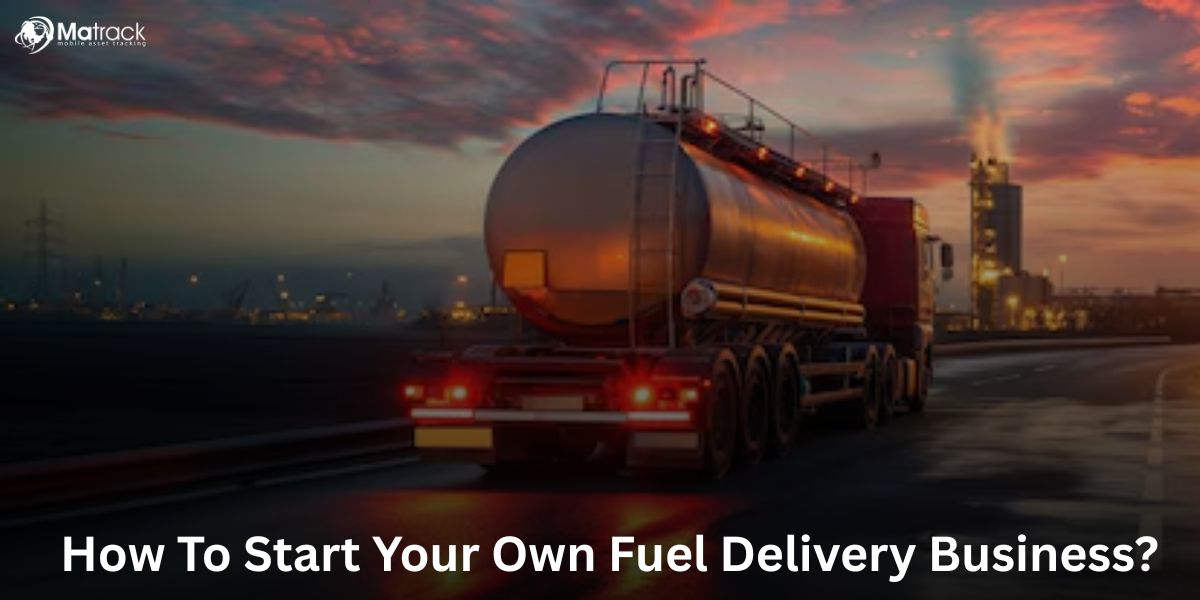
Fuel delivery business is a transportation service that supplies fuel directly to industries, fleets, construction sites, and commercial operations at required locations. On-site fuel delivery helps reduce travel time, improve operational efficiency, and maintain continuous equipment usage. In large industrial areas, fuel delivery services can reduce operational downtime by nearly 20–30% for heavy fuel users.
Service focuses on convenience, time savings, and uninterrupted fuel access. Many fleet operators rely on scheduled fuel delivery to avoid delays caused by traditional refueling stops.
With rising urban expansion and industrial activity, demand for mobile fuel services continues to grow. Remote sites, emergency services, and large-scale logistics companies are the primary users of this model.
Why start a fuel delivery business?
Offers growth potential due to rising demand for convenience-based services. Increasing dependency on fuel across industries creates consistent business opportunities. Makes the model suitable for long-term scalability.
- High market demand: Sectors that operate continuously, such as logistics and construction, where fuel downtime can lead to significant revenue loss. Even a 1-hour delay in fuel supply can impact fleet and operational schedules.
- Recurring revenue opportunities: Regular clients generate consistent income through repeat orders. Long-term contracts help maintain steady cash flow.
- Expansion potential: Service can expand into multiple regions and industries over time. Wider reach increases customer base and revenue growth.
- Low competition in select areas: Some regions still have limited fuel delivery providers. Early entry helps build a market position.
- Competitive advantage with strategy: Planning and efficient operations improve service quality. Better strategy helps one stand out in the market.
What are the steps to start a fuel delivery business?
Starting a fuel delivery business requires proper planning, compliance, and operational setup. Each step plays an important role in building a stable and scalable business model.
Market research and planning
Market research is essential as fuel consumption varies significantly across sectors. For example, logistics fleets consume nearly 25-40% more fuel annually compared to standard commercial vehicles, making them a key target market; planning helps define investment size, service coverage, and operational strategy.
Licensing legal requirements
Fuel delivery requires strict compliance with safety and government regulations; necessary permits and approvals must be secured before operations begin. Following legal requirements ensures safe handling and transportation of fuel; compliance also builds trust and avoids penalties.
Investment equipment
Initial setup includes delivery vehicles, fuel storage systems, and safety equipment. Investment varies depending on business scale and service area, choosing the right equipment improves service reliability.
Building supplier partnerships
Strong supplier networks ensure uninterrupted fuel availability. Fuel price fluctuations can range between 5-15% monthly depending on global crude oil rates, making stable partnerships essential. Good supplier relationships support business expansion and operational stability; consistent supply improves customer satisfaction.
Technology operations setup
Using tools like GPS fleet tracking and delivery management systems improves efficiency; technology helps with route planning, tracking, and order management. Digital systems enhance customer experience and operational control; better management leads to improved productivity and growth.
What are the costs involved?
Starting a fuel delivery business requires both setup and ongoing operational expenses. Costs can vary depending on fleet size, licensing requirements, equipment quality, plus fuel demand in the target area.
| Cost Category | Type | Estimated Cost |
| Initial Investment | Setup Cost | $50,000–$250,000+ for fuel delivery trucks, bowsers, storage tanks, pumps, and safety equipment. |
| Licensing & Permits | Setup Cost | $2,000–$20,000+ depending on location, hazardous material permits, environmental approvals, and registrations. |
| Fuel Procurement | Operational Cost | $10,000–$100,000+ initial inventory, depending on fuel volume and market prices. |
| Staff Salaries | Operational Cost | $3,000–$8,000+ per employee per month for drivers, dispatchers, and support staff. |
| Maintenance | Operational Cost | $500–$5,000+ per vehicle annually for servicing, inspections, and repairs. |
| Insurance | Operational Cost | $5,000–$25,000+ annually for commercial liability, vehicle, and environmental coverage. |
| Technology Setup | Setup Cost | $2,000–$50,000+ for GPS tracking, dispatch software, routing systems, and mobile app development. |
| Miscellaneous | Both | $2,000–$20,000+ for marketing, emergency funds, and training. |
Challenges in Fuel Delivery Business
Fuel delivery operations involve several real-world challenges that can impact profitability. Fluctuating fuel prices, supply chain disruptions, and strict regulatory requirements often create operational pressure; businesses must constantly adapt to changing market conditions to maintain stability.
Handling fuel safely requires trained staff, proper equipment, and strict adherence to safety protocols. Any lapse in safety measures can lead to serious risks, including fire hazards and environmental damage; managing these risks is critical for maintaining safe and compliant operations.
Operational challenges such as route optimization, timely delivery, and customer expectations also play a major role. Efficient planning, use of technology, and management practices help overcome these challenges and support long-term business growth.
How to grow a fuel delivery business successfully?
Growing a fuel delivery business requires strategy, efficient operations, and consistent service quality. Expansion depends on reaching new customers while improving existing service performance.
Expand customer base
Target industries such as construction, logistics, and agriculture, expanding into different sectors increases revenue opportunities. Marketing strategies help attract new customers. Consistent service builds long-term relationships.
Improve service efficiency
Optimized routing and scheduling reduce delivery costs and fuel wastage. Efficient systems can improve delivery turnaround time by 20% or more. Technology integration improves operational speed and reduces manual errors.
Focus on safety and compliance
Maintaining high safety standards builds trust and reliability. Compliance with regulations ensures smooth operations. Regular training and monitoring improve service quality and support long-term growth.
Offer additional services
Providing services like emergency fuel delivery or maintenance support adds value. Helps differentiate from competitors. Additional services increase revenue streams, also improve customer retention.
Final Thoughts
Offers growth potential due to rising demand across industries; planning and investment help create a strong business foundation; compliance with regulations supports long-term operational success.
Efficient operations and reliable supply chains improve overall performance; strong customer relationships help maintain trust and repeat business; and consistent service quality also strengthens market reputation over time.
Sustainable growth depends on smart expansion and safety-focused strategies; continuous improvements help businesses stay competitive in changing markets; a well-managed system supports profitability and stable long-term growth.
Frequently Asked Questions
What industries commonly use fuel delivery services?
Industries such as construction, logistics, mining, agriculture, manufacturing, and emergency services commonly rely on fuel delivery businesses for uninterrupted operations.
Is the fuel delivery business profitable in the long term?
Yes, consistent demand, recurring contracts, and expansion opportunities can make fuel delivery a profitable long-term business when managed efficiently.
What type of vehicles are used in fuel delivery operations?
Fuel delivery businesses usually use specialized fuel tankers, mini fuel bowsers, and commercial delivery trucks designed for safe fuel transportation.
Why is technology important in fuel delivery businesses?
Technology helps improve route planning, delivery tracking, inventory management, customer communication, and operation through automated systems and GPS monitoring.
What risks are involved in fuel delivery operations?
Common risks include fuel leaks, fire hazards, regulatory violations, supply disruptions, vehicle breakdowns, and fluctuating fuel prices that can affect profitability and operations.