

What Are Daytime Running Lamps (DRL)?
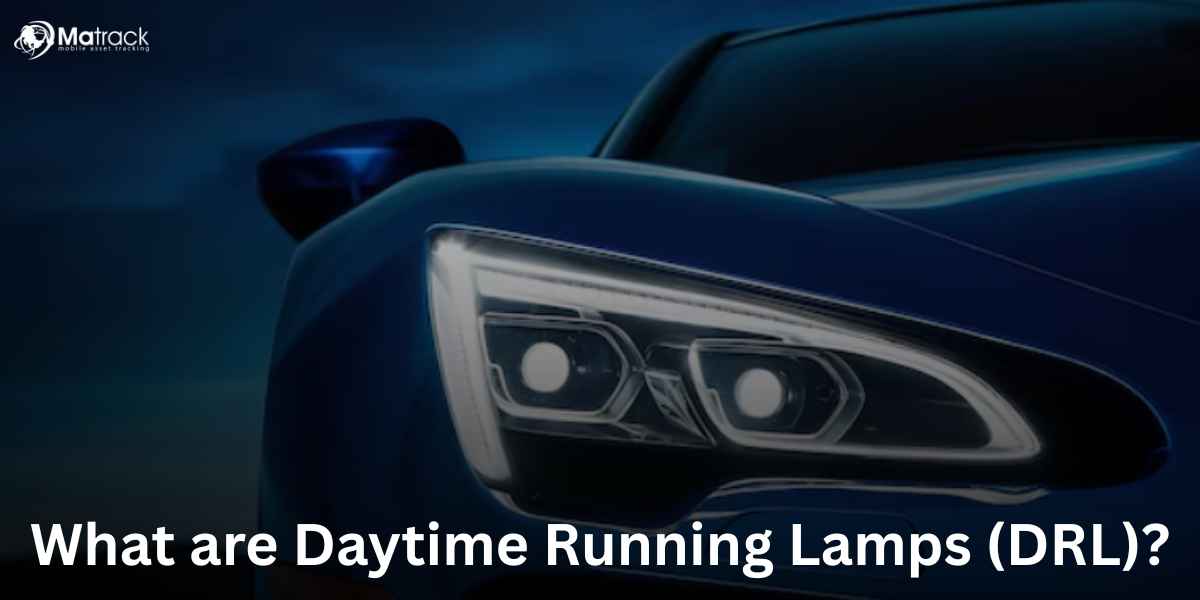
Daytime Running Lamps (DRL) are low-intensity lights designed to improve vehicle visibility during daylight driving. DRLs automatically illuminate after engine ignition, allowing other road users to detect a moving vehicle earlier.
Vehicle manufacturers integrate DRL systems into the front lighting assembly using LED modules or halogen bulbs. Placement usually appears within the headlight housing or as separate light strips positioned below the main headlights.
Road safety studies highlight the effectiveness of daytime running lights in improving traffic visibility. Data cited by the U.S. National Highway Traffic Safety Administration (NHTSA) indicates that daytime running lights can reduce certain multi-vehicle daytime crashes by approximately 6%–13%.
How Do Daytime Running Lights Work?
Daytime running lamps operate through an automatic lighting mechanism connected to the vehicle’s ignition system.
- Automatic Activation: Engine ignition signals the vehicle lighting control unit to switch on the DRL system, allowing the lights to illuminate automatically without driver input.
- Low-Intensity Illumination: DRL lights emit lower brightness than standard headlights, improving vehicle visibility in daylight without creating glare for other drivers.
- Front Lighting Integration: Manufacturers integrate DRLs into the front lighting system, commonly inside the headlight housing or as LED light strips positioned below the headlights.
- LED Lighting Modules: Modern DRL systems primarily use LED modules, which provide high visibility while consuming minimal electrical power.
- Automatic Light Transition: Activation of low-beam headlights during night driving usually dims or turns off daytime running lamps automatically.
- Continuous Daytime Visibility: DRL systems remain active whenever the vehicle is running in daylight, helping other road users detect approaching vehicles more easily.
What Is the Purpose of Daytime Running Lights?
Daytime Running Lamps serve as a signaling feature within the vehicle lighting system that indicates an active vehicle during daytime travel.
- Operational Indicator: DRL lights signal that a vehicle’s engine is running and the vehicle is active on the road, helping surrounding drivers recognize moving traffic.
- Traffic Presence Signaling: Constant front lighting allows approaching vehicles to be identified earlier in complex environments such as intersections, highways, and multi-lane roads.
- Distance Perception: Front lighting contrast helps other drivers estimate the position and relative distance of approaching vehicles more accurately.
- Lighting Standardization: Automotive manufacturers implement DRL systems to maintain consistent daytime lighting behavior across different vehicle models and lighting technologies.
- Global Safety Adoption: Transport safety programs in regions such as Canada and the European Union introduced daytime running lights to support standardized vehicle visibility during daytime driving conditions.
What Is the Difference Between DRL and Headlights?
Daytime Running Lamps and headlights are both part of the vehicle lighting system, but they serve different functions and operate under different driving conditions.
| Feature | Daytime Running Lamps (DRL) | Headlights |
| Primary Purpose | Increase vehicle visibility to other road users during daylight driving. | Illuminate the road ahead so drivers can see clearly in low-light or nighttime conditions. |
| Brightness Level | Lower light intensity designed for daytime visibility without causing glare. | Higher brightness designed to light up roads, objects, and obstacles ahead. |
| Activation | Automatically turn on when the engine or ignition starts. | Activated manually by the driver or automatically when low-light conditions are detected. |
| Function in Lighting System | Acts as a visibility signal indicating an active vehicle. | Acts as a primary driving light used for navigation in dark environments. |
| Operating Time | Intended mainly for daytime driving conditions. | Used during night driving, tunnels, fog, rain, and other low-visibility situations. |
| Light Coverage | Does not illuminate the road surface significantly. | Provides forward illumination to improve driver vision and road awareness. |
| Lighting Technology | Often uses LED modules integrated into the front lighting system. | Uses halogen, LED, or HID bulbs designed for stronger road illumination. |
Are Daytime Running Lights Required by Law?
Legal requirements for Daytime Running Lamps differ across countries, with several regions adopting regulations that mandate DRL systems in new vehicles.
European Union Regulations
European Union vehicle safety standards require most new passenger vehicles and small vans manufactured after 2011 to include daytime running lamps. Regulation introduced DRLs as part of the EU’s road safety strategy to improve daytime vehicle detection.
Canada DRL Requirement
Transport Canada requires daytime running lamps on all new vehicles sold in Canada since December 1, 1989. Policy made Canada one of the earliest countries to mandate DRL systems for passenger vehicles.
United States DRL Policy
United States federal regulations permit DRL systems but do not require them in all vehicles. National Highway Traffic Safety Administration (NHTSA) allows manufacturers to install DRLs voluntarily as part of vehicle lighting systems.
Global Adoption Trends
Vehicle safety authorities in multiple regions encourage DRL implementation as part of modern automotive lighting standards. Growing adoption across global markets reflects increasing emphasis on visibility-based road safety technologies.
What Does the DRL Light on the Dashboard Mean?
DRL indicators on the dashboard inform drivers about the status of the daytime running light system in a vehicle.
DRL Indicator Light
DRL indicator lights appear on the dashboard as the daytime running lamp system is active. Illumination of the indicator confirms that the vehicle’s daytime lighting system is functioning normally.
DRL Off Indicator
DRL Off indicators appear as the daytime running light system has been manually disabled or automatically turned off. Some vehicles display this signal as another lighting mode overrides the DRL system.
Check DRL System Warning
Check DRL system warnings indicate a possible malfunction in the daytime running light circuit or lighting control unit. Warning messages usually appear as bulbs, LED modules, wiring, or fuses related to the DRL system require inspection.
DRL Symbol on Instrument Cluster
DRL symbols displayed on the instrument cluster help drivers quickly identify the status of the daytime running light system. Symbols may vary by manufacturer but generally represent the front lighting system or running light indicator.
What Types of Daytime Running Lights Are Used in Vehicles?
Different lighting technologies are used in Daytime Running Lamp systems depending on vehicle design, efficiency requirements, and lighting performance.
LED Daytime Running Lights
LED daytime running lights are the most widely used DRL technology in modern vehicles. LED modules provide bright visibility, low energy consumption, and longer operational lifespan compared to traditional lighting bulbs.
Halogen Running Lights
Halogen bulbs were commonly used in earlier DRL systems before LED lighting became widespread. Halogen running lights generate illumination through heated tungsten filaments but consume more electrical power than LED systems.
Integrated Headlight DRL Systems
Some vehicles integrate daytime running lights directly within the headlight housing. Integrated systems use reduced-power headlight operation or dedicated LED strips built into the front lighting assembly.
What Are Some Common Issues with DRL Warning Lights?
DRL warning lights on the dashboard usually indicate problems within the daytime running lamp system or related lighting components.
Burned-Out DRL Bulb
Failed DRL bulbs are one of the most common causes of warning indicators. Halogen bulbs or older lighting units may stop functioning after extended use.
Faulty LED Module
LED DRL modules can fail due to electrical faults or internal component damage. Malfunctioning modules often trigger a DRL warning message on the instrument cluster.
Blown Fuse
Blown fuses in the lighting circuit may interrupt power supply to the DRL system. Fuse failure can cause daytime running lights to stop working entirely.
Wiring or Connection Problems
Loose wiring, damaged connectors, or corrosion within the lighting circuit can interfere with DRL operation. Electrical interruptions may activate dashboard warning signals.
How To Troubleshoot DRL Warning Lights?
Troubleshooting DRL warning lights involves checking key components of the vehicle’s daytime running lamp system.
- Inspect DRL Bulbs: Checking the condition of DRL bulbs helps identify burned-out or damaged lighting units that require replacement.
- Check the Fuse Box: Inspecting the fuse responsible for the DRL circuit helps determine whether power interruption is causing the warning light.
- Examine Wiring Connections: Loose or damaged wiring around the front lighting system can prevent DRL lights from operating correctly.
- Test LED Modules: Vehicles equipped with LED daytime running lights may require inspection of the LED modules to detect internal failure.
- Reset the Warning Indicator: Restarting the vehicle or clearing the system after repairs may reset the DRL warning light on the dashboard.
What Should You Know Before Installing Aftermarket DRL Lights?
Aftermarket daytime running light kits allow vehicle owners to add DRL functionality or upgrade existing lighting systems for better styling and visibility.
- Vehicle Compatibility: DRL kits should match the vehicle’s electrical system and front lighting layout to ensure proper installation and stable performance.
- Lighting Technology: LED DRL kits are commonly preferred due to their energy efficiency, longer lifespan, and consistent brightness compared to halogen lighting.
- Installation Method: Professional installation or proper wiring connection to the ignition system helps ensure the DRL lights activate and deactivate correctly.
- Brightness Compliance: DRL lights should follow local lighting regulations to avoid excessive brightness that could distract other drivers.
- Weather Resistance: Durable DRL kits designed with waterproof housing and heat-resistant materials provide reliable performance in different driving environments.
Final Thoughts
Daytime Running Lamps have become an important component of modern vehicle lighting systems designed to support safer daytime driving. Consistent front lighting helps vehicles remain noticeable on busy roads and in varying daylight conditions.
Growing adoption of DRL systems across global vehicle markets reflects their role in improving road awareness and supporting traffic safety standards. Vehicles equipped with efficient lighting technologies such as LED daytime running lights continue to strengthen visibility and reliability in everyday driving.
Frequently Asked Questions
Are daytime running lights the same as headlights?
Daytime running lights and headlights serve different functions within the vehicle lighting system. DRLs increase vehicle visibility during daylight, while headlights illuminate the road during night or low-light driving conditions.
Do all vehicles have daytime running lights?
Many modern vehicles include DRL systems as part of their standard lighting design. Older vehicles or certain regional models may not include daytime running lamps depending on manufacturing regulations.
Can daytime running lights be turned off?
Some vehicles allow drivers to disable the DRL system through dashboard controls or vehicle settings. Other vehicles keep DRLs permanently active as part of built-in safety features.
What happens if a daytime running light stops working?
A failed DRL may result from a faulty bulb, LED module, fuse, or wiring issue within the lighting system. Vehicle dashboards may display a warning indicator prompting inspection or replacement.
Are LED daytime running lights better than halogen DRLs?
LED daytime running lights provide longer lifespan, lower energy consumption, and consistent brightness compared to halogen bulbs. Automotive manufacturers increasingly prefer LED modules for modern DRL systems.