

What Does Food Transportation Mean in Logistics?
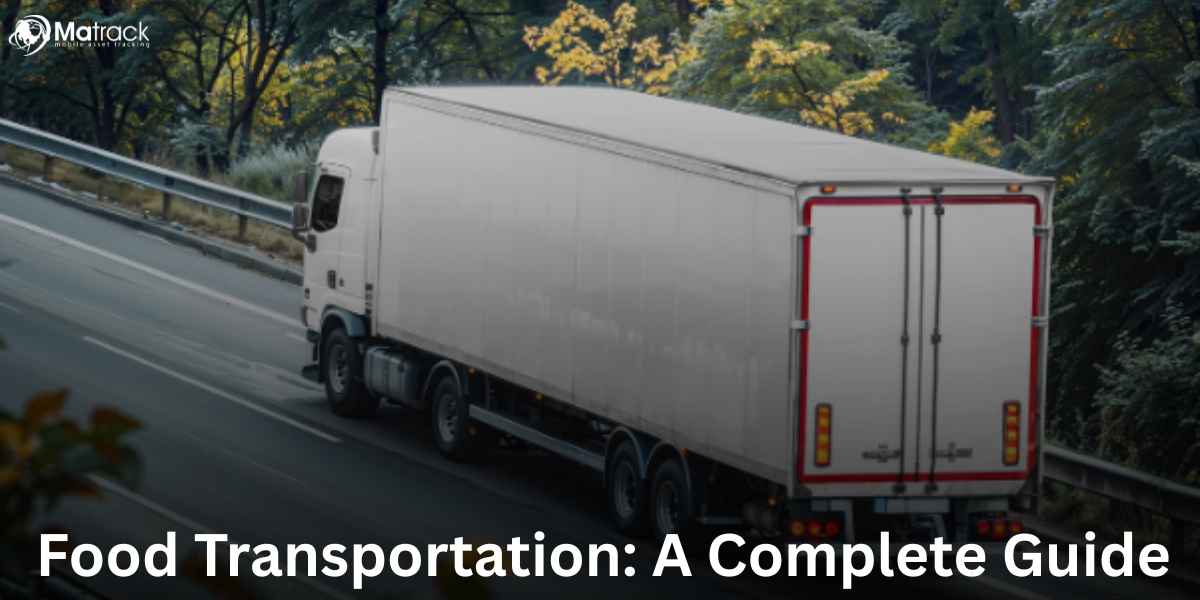
Food transportation in logistics means moving edible goods from one supply chain point to another while keeping them safe, fresh, and ready for sale or use. It connects farms, food processors, warehouses, distribution centers, grocery stores, restaurants, and customers.
Frozen meals, meat, seafood, dairy, and fresh produce need controlled conditions during transit. Packaged snacks, grains, canned goods, beverages, and dry ingredients can usually move in standard freight vehicles.
Logistics teams plan the route, choose the right truck or trailer, coordinate drivers, check packaging, and monitor delivery status. Careful handling helps prevent spoilage, contamination, delays, and rejected shipments.
Why Is Food Transportation Important?
Safe food transportation protects freshness, product quality, and public health from pickup to final delivery. Poor handling during transit can lead to spoilage, contamination, rejected loads, revenue loss, and safety risks.
Perishable goods depend on stable transit environments throughout the journey. Meat, dairy, seafood, frozen items, fruits, and vegetables can lose quality quickly when vehicles, packaging, routes, or storage practices are not managed correctly.
Delivery delays and weak temperature stability can also increase waste across the supply chain. ReFED’s 2026 U.S. Food Waste Report found that 70 million tons of surplus food, about 29% of the U.S. food supply, went unsold or uneaten in 2024, making route planning, shipment visibility, and cargo-condition checks important for reducing avoidable losses.
What Are the Types of Food Transportation?
Different food items require different transit methods based on shelf life, storage needs, distance, and handling risk. Choosing the right method helps businesses protect quality, reduce spoilage, and meet timing commitments.
1. Refrigerated Transportation
Refrigerated vehicles carry chilled items such as dairy, meat, seafood, fresh produce, beverages, and prepared meals. Built-in cooling systems help keep cargo within the required chilled range during pickup, transit, and unloading.
2. Frozen Transportation
Frozen freight is used for items that must stay below freezing, such as ice cream, frozen meals, seafood, meat, and packaged frozen vegetables. Consistent freezer-level settings help prevent thawing, texture loss, and safety issues.
3. Dry Food Transportation
Dry freight works for shelf-stable goods such as grains, flour, canned foods, snacks, packaged ingredients, and bottled products. Clean trailers, sealed packaging, and moisture protection help keep these goods usable.
4. Bulk Food Transportation
Bulk movement is common for large quantities of grains, edible oils, sugar, flour, milk, and other high-volume ingredients. Specialized tankers, hoppers, or containers are used depending on whether the load is liquid, powder, or loose commodity.
5. Last-Mile Food Delivery
Last-mile service covers the final trip from a store, restaurant, warehouse, or fulfillment center to the customer. Accurate routes, driver coordination, insulated packaging, and live tracking help keep orders fresh and on schedule.
What Is the Food Transportation Process?
Food movement follows a planned process to keep shipments fresh, compliant, and traceable from origin to destination. Each step supports proper handling, clean loading, steady cargo environments, and on-time arrival.
Order Planning
Shippers first identify the type of items being moved, storage needs, shipment volume, arrival window, and destination details. Fresh produce, frozen meals, dairy, seafood, and packaged goods all need different handling plans.
Packaging
Packaging protects items from damage, moisture, contamination, and heat exposure during transit. Labels help drivers, warehouse teams, and receivers identify handling instructions, expiry details, batch numbers, and storage needs.
Vehicle Selection
Fleet teams select the right vehicle based on load size, route distance, and climate requirements. Pre-trip checks cover cleanliness, fuel levels, cooling units, door seals, tire condition, and GPS or tracking devices.
Loading and Climate Setup
Warehouse teams load goods carefully to avoid crushing, cross-contamination, or blocked airflow. Chilled or frozen cargo should enter a pre-cooled vehicle so the internal environment remains steady from the start.
In-Transit Oversight
Drivers and fleet managers track routes, location, speed, stops, and cargo status during the trip. Live alerts can help teams respond quickly to delays, climate changes, route deviations, or equipment issues.
Drop-Off
Receivers check shipment condition, trip logs, packaging integrity, and documents at handoff. Digital proof of arrival creates a clear record for billing, compliance, dispute resolution, and customer service.
How Is Food Transportation Different From Food Logistics?
Food transportation covers the trip itself, while food logistics manages the planning behind that trip. Logistics handles route design, timing, storage coordination, vehicle assignment, shipment visibility, and documentation.
| Factor | Food Transportation | Food Logistics |
| Core purpose | Moves edible goods between locations | Controls the complete supply chain journey |
| Scope | Narrower; focused on transit | Broader; includes planning, storage, movement, tracking, and documentation |
| Main activities | Loading, hauling, route movement, unloading, and delivery | Inventory planning, warehouse coordination, carrier selection, cold chain control, compliance, and proof of delivery |
| Business focus | Keeping shipments fresh and on schedule during the trip | Reducing delays, waste, cost, and visibility gaps across the full process |
| Example | Refrigerated truck carrying dairy to a store | Planning pickup, assigning a reefer truck, tracking temperature, updating inventory, and confirming delivery |
What Are the Main Challenges in Food Transportation?
Loads can fail when timing, handling, hygiene, or climate management breaks down during the journey. Many issues come from poor visibility, weak planning, equipment problems, or route delays that affect freshness, safety, and shelf life.
Temperature Fluctuations
Sudden shifts inside the cargo area can damage frozen, chilled, or fresh items before they reach the receiver. Even a short cooling failure may affect texture, shelf life, and safety for meat, dairy, seafood, and produce.
Spoilage and Waste
Unplanned delays, long dwell times, and improper loading can increase the risk of spoiled goods. Waste also creates extra costs through rejected loads, refunds, disposal, and replacement orders.
Contamination Risk
Dirty trailers, damaged packaging, mixed cargo, and poor handling can expose edible goods to bacteria, moisture, pests, or allergens. Sanitation checks and proper separation help protect product quality.
Route Delays
Traffic, weather, road closures, driver shortages, and missed pickup windows can disrupt schedules. Route planning and live tracking help teams respond before delays turn into product loss.
Compliance Pressure
Carriers must follow safety rules, documentation requirements, cleaning standards, and trip logs where required. Missing documentation or incomplete proof can create audit problems, rejected loads, and legal risk.
Fleet Visibility Gaps
Without clear vehicle and cargo visibility, managers may not know where a truck is, how the driver is performing, or whether the load is still moving as planned. GPS tracking, cargo alerts, and digital reports help fleet teams make faster decisions during active trips.
How Can Fleet Tracking Improve Food Transportation?
Fleet tracking improves food transportation by giving carriers live visibility into vehicles, drivers, routes, stops, and cargo status. For perishable or time-sensitive loads, that visibility helps teams reduce delays, limit idle time, improve customer updates, and respond before small issues turn into rejected orders.
Live Vehicle Location
GPS tracking shows where every vehicle is during active routes. Dispatchers can check progress, spot unplanned stops, and guide drivers around traffic, road closures, or missed receiving windows.
Route History
Route history gives managers a clear record of where a vehicle traveled, which stops were completed, and how long each stop took. These logs help review delays, verify completed work, and improve future route planning.
Geofencing Alerts
Geofences can be set around warehouses, stores, restaurants, distribution centers, and customer locations. Managers receive alerts when vehicles enter or leave key sites, making pickups, drop-offs, and dwell time easier to track.
Idle Time Reduction
Excessive idling increases fuel use and operating costs. Tracking idle time helps fleets spot waste, coach drivers, and keep vehicles moving efficiently during tight schedules.
Driver Behavior Monitoring
Speeding, harsh braking, hard acceleration, and sharp cornering can raise safety risks and damage sensitive cargo. Driver behavior data helps managers coach safer habits and protect goods, vehicles, and drivers.
Delivery Status Updates
Live tracking helps dispatchers share accurate ETAs with stores, restaurants, warehouses, or customers. Faster updates reduce confusion, missed receiving windows, and repeated calls between drivers and managers.
Maintenance Planning
Unexpected breakdowns can disrupt routes and put perishable goods at risk. Maintenance alerts help teams service vehicles, cooling units, tires, and critical parts before failures affect active routes.
What Regulations Govern Food Transportation in the U.S.?
U.S. rules for moving edible goods focus on sanitation, safe handling, proper storage ranges, contamination prevention, and traceable records. The exact requirements depend on the product type, vehicle type, route, business model, and whether the operation falls under FDA, USDA, FMCSA, state, or local oversight.
- FSMA Rule: FDA’s sanitary transportation rule applies to many shippers, loaders, carriers, and receivers that move human or animal food by motor vehicle or rail. It requires suitable vehicles, sanitary practices, temperature protection where needed, training, and transport records.
- USDA FSIS: Meat, poultry, and egg products are regulated by USDA’s Food Safety and Inspection Service. Carriers handling these goods must prevent contamination, protect product integrity, and maintain suitable transit environments.
- Food Code: Retail and food service operations often follow state or local rules based on the FDA Food Code. These rules may affect grocery service, restaurant supply, catering, prepared meals, and local handling practices.
- FMCSA Rules: Commercial vehicles used in food distribution may also fall under FMCSA safety requirements. Regulated fleets must follow driver qualification, vehicle inspection, Hours of Service, and ELD rules where applicable.
- State Laws: State and local agencies may add permits, inspection requirements, licensing, storage-range rules, or food handler standards. Fleets should check the requirements for every state or city where they pick up, store, or drop off edible goods.
How Does Matrack Support Food Transportation Fleets?
Matrack supports food transportation fleets by giving managers one place to monitor vehicles, routes, drivers, compliance, and assets. For grocery, frozen goods, restaurant supply, and last-mile operations, this improves visibility without forcing teams to switch between separate tracking, safety, compliance, and asset management tools.
Real-time GPS data helps dispatchers see vehicle location, route history, geofencing activity, speed alerts, idle time, driver behavior, and trip reports. These insights make it easier to respond to delays, reduce fuel waste, verify completed stops, and keep delivery schedules on track.
Built-in FMCSA-registered ELD, AI dashcam, asset tracking, and fleet management software also support compliance, safety, and trailer visibility from the same platform. Commercial fleets can manage Hours of Service records, monitor driver risk, track non-powered assets, and avoid long-term telematics contracts.
Frequently Asked Questions
What range should cold items stay in during transport?
Cold items are generally kept at 40°F or below, while frozen goods should remain solid throughout the trip. Exact requirements depend on the product, shipper instructions, receiver standards, and applicable safety rules.
Which items are most at risk in transit?
Meat, seafood, dairy, frozen meals, prepared dishes, cut produce, and fresh fruits or vegetables face the highest risk. These goods can spoil quickly when handling, packaging, route timing, or storage ranges are not managed properly.
Why do loads get rejected?
Receivers may reject a load because of unsafe holding ranges, damaged packaging, contamination signs, missing labels, late arrival, broken seals, or incomplete paperwork. Most receiving teams check product condition and records before accepting goods.
How long can edible goods stay on the road?
Transit time depends on the product, packaging, vehicle type, storage range, and route length. Perishable items should move as quickly as possible, while frozen, chilled, dry, and shelf-stable goods follow different holding limits.
What is cold chain transportation?
Cold chain transportation keeps sensitive goods within the required chilled or frozen range from pickup to final handoff. It is commonly used for meat, dairy, seafood, ice cream, frozen meals, and fresh produce.
What documents are needed for transport?
Common documents include load details, pickup and arrival times, temperature logs, cleaning records, inspection notes, driver information, and proof of arrival. These records help verify safety, quality, and accountability.
How can carriers reduce spoilage?
Carriers can reduce spoilage by using clean vehicles, proper packaging, planned routes, trained drivers, stable storage ranges, and live oversight during active trips. Fast response to traffic, equipment issues, or route delays is critical for protecting perishable goods.