

Commercial fleets depend on telematics systems to capture vehicle location, driving activity, and operational data that directly affect cost control and safety outcomes. As fleets scale and regulations tighten, telematics companies have become central to how transportation operations function day to day.
In 2026, fleet managers will use telematics solutions to monitor routes, identify unsafe driving patterns, document vehicle usage, and maintain consistent records across mixed vehicle types. The quality of a telematics provider now determines how accurately fleets can respond to incidents, manage compliance, and maintain operational discipline.
Federal regulation has reinforced this reliance on connected vehicle data across the United States. The Federal Motor Carrier Safety Administration (FMCSA) mandates the use of Electronic Logging Devices (ELDs) for most interstate commercial vehicles under 49 CFR Part 395, effectively embedding telematics systems into the legal framework of commercial fleet operations.
Our Top Picks For Telematics Companies
- Best For: Growing Fleets
- Price Range: $11.95/month
- Fleets Served: Small to Mid
- Products Used: Matrack GPS Fleet Tracker, Matrack ELD, Matrack Dash Cam
- Standout Focus: Live tracking and alert reliability

- Best For: Fleet Analytics Platform
- Price Range: $30–40/month
- Fleets Served: Mid to Large
- Products Used: Geotab GO9 Device, MyGeotab Platform
- Standout Focus: Deep diagnostics and data analytics

- Best For: Enterprise Fleet Telematics
- Price Range: $35/month
- Fleets Served: Large
- Products Used: Verizon Reveal Platform, Reveal GPS, Reveal ELD
- Standout Focus: Enterprise-scale compliance control

- Best For: Video Fleet Telematics
- Price Range: $27/month
- Fleets Served: Mid to Large
- Products Used: Samsara CM Dash Cam, Samsara VG GPS, Samsara Cloud
- Standout Focus: Video-linked telematics events
- Best For: Logistics Fleet Telematics
- Price Range: $25/month
- Fleets Served: Mid to Large
- Products Used: Trimble TMS, Trimble Fleet Mobility, Trimble Routing
- Standout Focus: Logistics execution and routing
- Best For: Fleet Safety Telematics
- Price Range: $22.95/month
- Fleets Served: Mid to Large
- Products Used: Omnitracs IVG, Omnitracs One Platform, Omnitracs ELD
- Standout Focus: Safety-focused telematics control

- Best For: Open Fleet Telematics Platform
- Price Range: $30/month
- Fleets Served: Mid to Large
- Products Used: Platform Science PS Fleet, PS ELD, App Marketplace
- Standout Focus: Open platform and integrations
- Best For: Fleet Telematics Software
- Price Range: $4/month
- Fleets Served: Small to Mid
- Products Used: Fleetio Software, Fleetio Telematics Integrations
- Standout Focus: Maintenance workflows from telematics data
How Did We Review Fleet Telematics Platforms?
We reviewed fleet telematics platforms through day-to-day fleet use rather than ideal test scenarios. Regular tasks such as checking live locations, reviewing completed trips, and monitoring driver activity shaped how each system was judged.
Ease of use surfaced quickly as a deciding factor during normal workdays. Platforms that present clear, readable data support faster decisions, while cluttered interfaces tend to slow teams down regardless of feature depth.
Fleet size also changes how telematics systems perform in practice. Rankings reflect where each company delivers the strongest real-world value, based on how well it supports visibility and operational control at different scales.
What Are The Best Fleet Telematics Companies In 2026?
1. Matrack – Best Telematics Provider For Growing Fleets
Matrack is the best fleet telematics provider for growing fleets that need dependable control during daily operations, offering the most affordable pricing without a contract. It supports live vehicle location, trip history, and timely alerts, helping SMB fleet owners respond while vehicles are still on the road.
Its GPS fleet tracking helps teams monitor routes, stops, dwell time, and arrival order without depending on constant driver follow-ups. Small businesses can also use ELD support to keep compliance data connected with daily fleet activity instead of managing it separately.
AI fleet dash cam coverage adds another layer of visibility for safety, driver behavior, and road events. For growing fleets and independent drivers, Matrack keeps telematics, alerts, safety, and compliance easier to manage from one workflow.
Key Alerts
Key Features
- Most Affordable
- No Long Term Contract
- Hardwired GPS units
- OBD tracking devices
- Integrated dash cameras
- Central fleet dashboard
Alerts
- After-hours movement
- Geofence breach
- Speed limit
- Ignition activity
Pros and Cons
| Pros | Cons |
|---|---|
| ✅ Stable real-time tracking | ❌ Limited historical modeling |
| ✅ Fast operational response | ❌ Narrow analytics depth |
| ✅ Clear trip verification | |
| ✅ Consistent daily reliability |
2. Geotab – Best Fleet Analytics Platform
Geotab treats telematics as a data environment designed to surface long-term operational insight. Support for aftermarket devices and OEM-connected vehicles makes it suitable for mixed fleets with diverse vehicle types.
Engine diagnostics, fault codes, idle behavior, and utilization trends help teams identify cost drivers over weeks and months. API access allows telematics data to flow into maintenance, finance, and planning systems without repeated manual handling.
Setup requires structure and internal process discipline to unlock full value. Fleets that actively use reports to guide routing, maintenance timing, and policy decisions benefit most from this platform.
Key Alerts
Key Features
- OEM vehicle connectivity
- Advanced diagnostics engine
- Custom analytics APIs
- Utilization trend modeling
Alerts
- Engine fault codes
- Excessive idle time
- Battery health
- Diagnostic thresholds
Pros and Cons
| Pros | Cons |
|---|---|
| ✅ Deep operational insight | ❌ Complex initial setup |
| ✅ Strong cost analysis | ❌ Steep learning curve |
| ✅ High scalability support | |
| ✅ Flexible data modeling |
3. Verizon Connect – Best Enterprise Fleet Telematics
Verizon Connect focuses on enterprise telematics where standardization across regions matters more than customization. Dashboards and reports emphasize fuel usage, driver behavior, and compliance within a consistent operating framework.
KPI-driven reporting supports layered supervision across terminals and management levels. ELD functionality and regulatory reporting suit fleets where compliance operates as a daily requirement rather than a periodic task.
Configuration flexibility feels limited compared with modular platforms. Large fleets that value predictable performance and centralized control typically see the strongest return.
Key Alerts
Key Features
- Role-based permissions
- Enterprise reporting framework
- Workforce activity tracking
- Nationwide cellular coverage
Alerts
- Compliance violations
- Driver behavior events
- Schedule misuse
- Fuel anomalies
Pros and Cons
| Pros | Cons |
|---|---|
| ✅ Enterprise-grade stability | ❌ Limited platform flexibility |
| ✅ Strong compliance control | ❌ Rigid configuration options |
| ✅ Reliable large-scale performance | |
| ✅ Consistent reporting structure |
4. Samsara – Best Video Fleet Telematics
Samsara combines AI Fleet Dash Cam with GPS and in-cab video to add visual context to telematics data. Driving events align with speed, location, braking, and motion data across the full trip timeline.
Harsh braking, close following, distraction, and acceleration events become easier to review once footage is available. Coaching conversations benefit from shared evidence instead of conflicting explanations.
Camera-based deployments increase upfront investment. Fleets handling frequent claims, safety reviews, or structured driver coaching programs tend to see the greatest value.
Key Alerts
Key Features
- AI-powered dash cams
- Cloud video storage
- Event-based recording
- Driver coaching workflows
Alerts
- Harsh braking
- Collision risk
- Driver distraction
- Tailgating events
Pros and Cons
| Pros | Cons |
|---|---|
| ✅ Clear incident evidence | ❌ Higher upfront costs |
| ✅ Improved safety accountability | ❌ Video storage planning |
| ✅ Faster claim resolution | |
| ✅ Strong coaching support |
5. Trimble – Best Logistics Fleet Telematics
Trimble connects telematics directly to routing, navigation, and trip planning used in logistics operations. Route optimization focuses on reducing missed stops, mileage variance, and delivery delays that affect service reliability.
Dispatch alerts surface late arrivals, route deviations, and service exceptions while trips are still in progress. Planning and execution remain aligned even as schedules shift during the day.
General GPS tracking plays a secondary role to logistics execution. Transportation-heavy fleets focused on delivery performance benefit most from this approach.
Key Alerts
Key Features
- Route optimization engine
- Commercial navigation system
- Dispatch coordination tools
- Trip execution monitoring
Alerts
- Route deviation
- Late delivery
- Missed stops
- Service exceptions
Pros and Cons
| Pros | Cons |
|---|---|
| ✅ Fewer delivery delays | ❌ Limited safety emphasis |
| ✅ Better route discipline | ❌ Minimal driver scoring |
| ✅ Improved dispatch coordination | |
| ✅ Strong logistics alignment |
6. Omnitracs – Best Fleet Safety Telematics
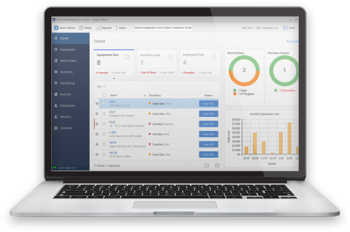
Omnitracs centers telematics around safety oversight rather than simple location visibility. Driver behavior data highlights speeding, harsh maneuvers, and recurring risk patterns across routes and drivers.
Safety reporting supports structured coaching and policy enforcement aimed at reducing repeat incidents. Telematics data becomes more effective once it drives corrective action instead of passive documentation.
Dispatch visibility feels less central within the interface. Fleets operating under strict compliance requirements or higher incident exposure see the strongest outcomes.
Key Alerts
Key Features
- Driver risk scoring
- Safety performance analytics
- Compliance documentation system
- Incident review framework
Alerts
- Speeding patterns
- Risk thresholds
- Policy violations
- Safety events
Pros and Cons
| Pros | Cons |
|---|---|
| ✅ Reduced safety incidents | ❌ Secondary dispatch focus |
| ✅ Strong risk visibility | ❌ Limited customization |
| ✅ Consistent driver oversight | |
| ✅ Compliance-driven operations |
7. Platform Science – Best Open Fleet Telematics Platform
Platform Science offers a flexible telematics foundation built around applications and integrations rather than fixed feature bundles. Fleets can add tools for compliance, navigation, tolling, safety, or maintenance as operational needs change.
OEM partnerships and connected-vehicle support reduce reliance on proprietary hardware. Integration flexibility supports fleets running specialized workflows or maintaining legacy systems.
Early planning plays a larger role than with bundled platforms. Fleets expecting processes to evolve over time tend to benefit most from this model.
Key Alerts
Key Features
- Open telematics architecture
- App marketplace access
- OEM data connectors
- Modular compliance apps
Alerts
- App-based triggers
- Compliance reminders
- Workflow status
- Event rules
Pros and Cons
| Pros | Cons |
|---|---|
| ✅ High platform flexibility | ❌ Planning-intensive setup |
| ✅ Reduced vendor lock-in | ❌ App ecosystem complexity |
| ✅ Adaptable operational workflows | |
| ✅ Strong integration freedom |
8. Fleetio – Best Fleet Telematics Software
Fleetio places telematics data inside maintenance and asset management workflows instead of centering the experience on live maps. Mileage, engine hours, and fault codes feed directly into service schedules.
Fuel, tire, OEM, and service records remain centralized, reducing manual updates and gaps in maintenance history. Automation improves visibility into service timing and operating costs across the fleet.
Live tracking depends on integrated telematics partners rather than native hardware. Fleets that prioritize uptime management and maintenance control gain the most value.
Key Alerts
Key Features
- Maintenance automation engine
- Asset lifecycle management
- Telematics integrations hub
- Cost tracking system
Alerts
- Service due
- Overdue maintenance
- Fault-triggered service
- Usage thresholds
Pros and Cons
| Pros | Cons |
|---|---|
| ✅ Better maintenance control | ❌ No native GPS |
| ✅ Improved asset visibility | ❌ Partner-dependent tracking |
| ✅ Reduced manual records | |
| ✅ Strong lifecycle oversight |
Why Fleet Telematics Systems Matter for Truckers
Fleet telematics systems matter for truckers because over 90% of fleet operators rely on telematics for driver safety, and more than 70% report safer roads after long-term use of connected vehicle data.
Safety Insights
Telematics captures driving behavior like harsh braking, speeding, and idling so fleets can spot risk patterns and address them quickly. This leads to measurable improvements in accident reduction and driver accountability.
Regulatory Compliance
Government requirements such as the FMCSA’s ELD mandate make telematics essential for logging hours of service and vehicle activity automatically. Automated records reduce paperwork and help truckers stay aligned with federal enforcement standards.
Route Efficiency
Truckers use telematics to optimize routes, reduce unnecessary mileage, and cut fuel costs through traffic-aware planning. More efficient routing also helps meet tight delivery windows and improves customer satisfaction.
Maintenance Alerts
Telematics systems provide early warnings based on engine data and fault codes before minor issues become costly breakdowns. Proactive maintenance alerts help truckers avoid unplanned downtime and extend vehicle service life.
Cost Control
Telematics data enables better tracking of fuel use, idle time, and equipment utilization, which drives cost-saving decisions. Fleets that monitor these metrics closely often see lower operating expenses and higher asset productivity.
Performance Monitoring
Truckers and fleet managers gain visibility into individual and group performance metrics that were previously only accessible through manual logs. This ongoing monitoring fosters accountability and continuous improvement in daily operations.
Safety Culture
Telematics supports a safety-first culture by providing evidence-based feedback on risky behavior instead of guesswork. Over time, consistent use of telematics leads to stronger safety habits among drivers.
Insurance Benefits
Many insurers offer better rates to fleets that use telematics because documented driving behavior reduces uncertainty and risk exposure. Lower premiums become a tangible financial benefit for truckers committed to data-driven safety practices.
What Features To Look For In Fleet Telematics Providers?
Choosing the right fleet telematics provider depends on how well the system supports real operating conditions rather than how many features appear on a checklist.
Real-Time Tracking
Accurate live location updates allow dispatchers and truckers to respond to delays, route changes, or emergencies while vehicles are still in motion. Consistent tracking accuracy matters more than map design or visual extras.
Compliance Support
Telematics providers should support automated hours-of-service logging and electronic records that align with current FMCSA requirements. Reliable compliance tools reduce paperwork errors and lower the risk of violations during roadside inspections.
Driver Monitoring
Access to driving behavior data such as speeding, harsh braking, and extended idling helps fleets identify risk early. Actionable driver insights support coaching without relying on assumptions or manual reports.
Alert Control
Customizable alerts help fleets respond immediately to events like unauthorized movement, route deviation, or safety thresholds. The ability to adjust alert rules prevents notification overload during active shifts.
Vehicle Diagnostics
Fault codes and engine data allow truckers to address maintenance issues before breakdowns occur. Early diagnostics reduce unplanned downtime and protect delivery schedules.
Route Visibility
Route history and trip playback help confirm delivery sequences, dwell time, and missed stops. Clear route records support dispute resolution and performance reviews without relying on driver memory.
Scalability Fit
Telematics systems should perform consistently as fleet size grows or vehicle types change. Providers that scale cleanly prevent the need for system replacements during expansion.
Data Access
APIs and data export options allow telematics data to connect with maintenance, payroll, or accounting systems. Open access ensures fleet data remains usable beyond a single dashboard.
Which Fleet Telematics Company Is Best For You?
Different fleet telematics companies serve different operational needs, so the right choice depends on how your fleet operates, what data you rely on most, and where problems usually arise.
Matrack
Matrack works best for fleets that want dependable tracking, alerts, and compliance tools without managing complex analytics systems. Small to mid-sized fleets that need consistent day-to-day visibility often find this balance practical.
Geotab
Geotab suits fleets that rely heavily on data analysis to guide long-term decisions around cost, utilization, and maintenance. Operations with internal teams dedicated to reporting and optimization tend to benefit most.
Verizon Connect
Verizon Connect fits large fleets that prioritize standardization, coverage, and centralized control across multiple regions. Enterprises with strict compliance processes and layered management structures usually align well with this setup.
Samsara
Samsara is a strong match for fleets where safety reviews, claims management, and driver coaching happen frequently. Video-backed telematics adds clarity in environments with higher incident exposure.
Trimble
Trimble works best for logistics-driven fleets where routing, dispatch coordination, and delivery performance matter more than basic tracking. Transportation-heavy operations often benefit from its planning-focused approach.
Omnitracs
Omnitracs fits fleets that treat safety and compliance as core operational priorities. Operations under strict regulatory oversight or with higher risk profiles typically see stronger results.
Platform Science
Platform Science suits fleets that need flexibility and want to build telematics around existing systems and workflows. Organizations with evolving processes or specialized requirements often prefer this open approach.
Fleetio
Fleetio is best for fleets that manage performance through maintenance control and asset lifecycle visibility. Operations focused on uptime, service planning, and cost tracking gain the most value.
Final Verdict
Fleet telematics has become a practical operating layer for truckers and fleet managers who need reliable visibility, compliance control, and cost awareness on every trip. The real value no longer comes from tracking alone, but from how consistently a system supports daily decisions without slowing operations down.
Across the providers reviewed, clear differences appear in how telematics platforms serve specific needs such as analytics depth, safety oversight, logistics execution, or maintenance control. Fleets get better results when they choose a telematics company that matches how work actually happens on the road rather than chasing the most features.
For fleets seeking dependable all-around performance, balanced telematics capabilities matter more than specialization. Aligning the right telematics system with fleet size, operating pressure, and compliance demands is what ultimately turns vehicle data into long-term operational stability.
Frequently Asked Questions
1. What does a fleet telematics system do?
A fleet telematics system collects location, vehicle health, and driving data from trucks in real time. Fleet managers use this information to monitor operations, improve safety, and maintain compliance.
2. Is fleet telematics only useful for large fleets?
Fleet telematics works for both small and large fleets, though the benefits show up differently. Smaller fleets often gain better visibility and control without adding administrative workload.
3. How does telematics help with driver safety?
Telematics systems track driving behaviors such as speeding, harsh braking, and excessive idling. This data helps fleets identify risk patterns and support targeted driver coaching.
4. Does fleet telematics help with regulatory compliance?
Many telematics systems support electronic logging and automated recordkeeping required under FMCSA regulations. This reduces paperwork errors and helps fleets stay prepared for inspections.
5. Can telematics reduce operating costs?
Telematics helps reduce costs by improving route efficiency, lowering fuel waste, and preventing unplanned breakdowns. Over time, better visibility leads to more informed operational decisions.
6. How accurate is GPS tracking in telematics systems?
Modern telematics systems provide highly accurate GPS location data under most driving conditions. Accuracy can vary slightly based on signal coverage and hardware type, it can be around within 2 to 10 meters .
7. What kind of vehicles can use fleet telematics?
Fleet telematics works across light-duty, medium-duty, and heavy-duty commercial vehicles. Many providers also support mixed fleets with different vehicle types.
8. How long does it take to install a telematics system?
Installation time depends on the hardware type, ranging from minutes for plug-in devices to longer for hardwired systems. Most fleets complete setup without extended downtime, average it can be around 5 minutes to over an hour.
9. Can telematics data integrate with other fleet systems?
Many telematics providers offer integrations or data access for maintenance, payroll, and accounting systems. This helps keep fleet data connected across daily operations.
10. How quickly do fleets see results after adopting telematics?
Visibility improvements often appear within the first few weeks of use. Cost savings and safety improvements typically become clearer after consistent long-term monitoring.