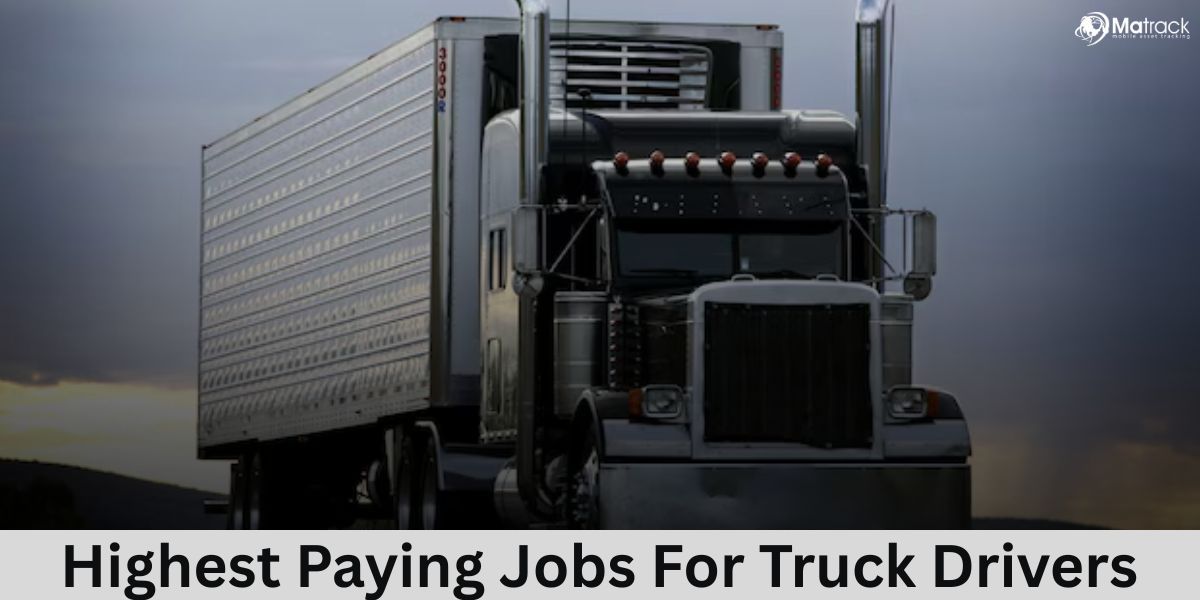


What Makes Some Truck Driving Jobs Pay More?
Higher trucking salaries usually come from specialized freight, difficult routes, or higher responsibility levels. Drivers handling hazardous materials, oversized equipment, or time-sensitive cargo often receive higher pay rates.
Experience also plays a major role in determining trucking income. Carriers prefer skilled drivers with proven safety records for complex freight operations.
Additional certifications and CDL endorsements can significantly increase earning potential. Hazmat, tanker, and doubles/triples endorsements allow drivers to access higher-paying freight opportunities across the U.S. logistics industry.
Quick Comparison of Highest Paying Truck Driver Jobs
| SR. NO | Truck Driving Job | Average Salary | Key Requirement |
| 1 | Ice Road Truck Driver | $90,000 – $120,000 | Extreme winter driving experience |
| 2 | Oversized Load (Heavy Haul) Driver | $85,000 – $120,000 | Heavy haul permits and route planning |
| 3 | Hazmat Truck Driver | $80,000 – $110,000 | Hazmat CDL endorsement |
| 4 | Tanker Truck Driver | $75,000 – $105,000 | Tanker CDL endorsement |
| 5 | Owner-Operator Truck Driver | $100,000 – $200,000+ | Own or lease a truck |
| 6 | Mining Truck Driver | $80,000 – $100,000 | Heavy equipment operation |
| 7 | Team Truck Driver | $75,000 – $110,000 | Long-haul team driving |
| 8 | Private Fleet Truck Driver | $80,000 – $110,000 | Corporate fleet experience |
| 9 | Auto Hauler Truck Driver | $80,000 – $120,000 | Car carrier trailer experience |
Top 9 Highest Paying Truck Driver Jobs in 2026
Specialized trucking roles command higher salaries due to advanced skills, risky cargo, and complex logistics operations across the U.S. freight industry.
1. Ice Road Truck Driver
Ice road truck drivers transport freight across frozen lakes and temporary winter roads in Alaska and Northern Canada. Extreme weather, limited visibility, and unstable ice conditions make this role one of the most dangerous trucking jobs in North America.
Remote mining camps and isolated communities rely on these drivers to deliver fuel, food supplies, and construction equipment during short winter seasons. High risk and seasonal demand significantly increase driver compensation and contract bonuses.
Salary Overview
| Attribute | Details |
| Average Salary | $90,000 – $120,000 |
| CDL Requirement | Class A CDL |
| Experience Required | 5+ years |
| Work Environment | Frozen lakes and remote winter roads |
| Risk Level | Very High |
2. Oversized Load (Heavy Haul) Truck Driver
Heavy haul truck drivers transport oversized freight such as wind turbine blades, construction equipment, and industrial machinery. Loads exceeding federal highway size limits require special permits, escort vehicles, and detailed route planning.
Transporting massive cargo demands precise maneuvering and strong safety awareness. Logistics companies depend on experienced heavy haul drivers to move high-value infrastructure equipment across long-distance routes.
Salary Overview
| Attribute | Details |
| Average Salary | $85,000 – $120,000 |
| CDL Requirement | Class A CDL |
| Experience Required | 3–5 years |
| Cargo Type | Construction and industrial machinery |
| Risk Level | High |
3. Hazmat Truck Driver
Hazmat truck drivers transport dangerous materials such as gasoline, chemicals, and industrial gases. Federal safety regulations require drivers to hold a Hazardous Materials endorsement on their Commercial Driver’s License.
Handling hazardous freight requires strict safety procedures and emergency response knowledge. Higher responsibility and safety training allow hazmat drivers to earn higher wages than standard freight drivers.
Salary Overview
| Attribute | Details |
| Average Salary | $80,000 – $110,000 |
| CDL Endorsement | Hazmat |
| Cargo Type | Chemicals, fuel, gases |
| Experience Required | 2–4 years |
| Risk Level | High |
4. Tanker Truck Driver
Tanker truck drivers transport liquid cargo such as gasoline, milk, chemicals, or crude oil across regional and interstate routes. Liquid freight shifts during movement, making vehicle control more complex than standard trailer transport.
Drivers must obtain a Tanker endorsement and learn specialized braking and handling techniques. Energy companies and fuel distributors often pay higher wages for drivers with tanker experience. Know more: Tanker Trucks
Salary Overview
| Attribute | Details |
| Average Salary | $75,000 – $105,000 |
| CDL Endorsement | Tanker |
| Cargo Type | Liquid freight |
| Experience Required | 2–4 years |
| Risk Level | Medium–High |
5. Owner-Operator Truck Driver
Owner-operators run independent trucking businesses by owning or leasing their trucks and contracting freight loads. Earnings depend on freight rates, miles driven, and operational efficiency.
Successful owner-operators can generate higher income by choosing profitable routes and negotiating contracts. However, operating costs such as fuel, insurance, and truck maintenance must also be managed carefully.
Salary Overview
| Attribute | Details |
| Average Gross Income | $100,000 – $200,000+ |
| CDL Requirement | Class A CDL |
| Business Model | Independent contractor |
| Experience Required | 3–5 years |
| Risk Level | Medium |
6. Mining Truck Driver
Mining truck drivers operate large haul trucks used to transport minerals, coal, and ore within mining sites. Mining companies often hire experienced drivers to operate heavy-duty vehicles in remote locations.
Mining environments require careful vehicle control and adherence to strict safety procedures. High equipment value and demanding work conditions contribute to competitive salaries in the mining transport sector.
Salary Overview
| Attribute | Details |
| Average Salary | $80,000 – $100,000 |
| Work Environment | Mining sites |
| Equipment | Heavy haul dump trucks |
| Experience Required | 2–4 years |
| Risk Level | Medium |
7. Team Truck Driver
Team truck drivers operate in pairs, allowing one driver to rest while the other continues driving. Continuous operation allows trucking companies to deliver freight faster across long-haul routes.
Team drivers often earn higher income because they can cover more miles per week compared to solo drivers. Increased mileage and faster delivery schedules result in higher pay rates.
Salary Overview
| Attribute | Details |
| Average Salary | $75,000 – $110,000 |
| Work Style | Two drivers per truck |
| Freight Type | Long-haul cargo |
| Experience Required | 1–3 years |
| Risk Level | Medium |
8. Private Fleet Truck Driver
Private fleet drivers work directly for companies that operate their own logistics fleets. Major corporations hire private fleet drivers to move goods between warehouses and retail stores.
These jobs often provide higher wages along with stable routes, health benefits, and performance bonuses. Corporate fleet drivers also benefit from predictable schedules compared to traditional long-haul trucking jobs.
Salary Overview
| Attribute | Details |
| Average Salary | $80,000 – $110,000 |
| Employer Type | Corporate private fleet |
| Experience Required | 2–5 years |
| Benefits | Health insurance and bonuses |
| Risk Level | Low–Medium |
9. Auto Hauler Truck Driver
Auto hauler drivers transport new or used vehicles using multi-level car carrier trailers. Precision loading and careful cargo handling are essential when transporting high-value automobiles.
Vehicle manufacturers and dealerships rely on experienced drivers to deliver cars safely across distribution networks. Handling valuable cargo and specialized equipment allows auto haulers to earn higher salaries than many standard freight drivers.
Salary Overview
| Attribute | Details |
| Average Salary | $80,000 – $120,000 |
| Cargo Type | Passenger vehicles |
| Equipment | Car carrier trailer |
| Experience Required | 2–4 years |
| Risk Level | Medium |
What CDL Endorsements Increase Truck Driver Salary?
Specialized Commercial Driver’s License (CDL) endorsements unlock higher-paying freight categories within the U.S. transportation and logistics industry.
Hazmat Certification
Hazardous materials certification authorizes drivers to move regulated substances such as flammable liquids, toxic chemicals, and industrial gases. Safety standards enforced by the U.S. Department of Transportation (DOT) require background screening and advanced compliance training.
Tanker Qualification
Tanker qualification permits operators to transport bulk liquid shipments including petroleum products, dairy loads, and chemical liquids. Managing shifting liquid weight inside tank trailers demands precise braking and handling techniques.
Doubles Triples
Doubles and triples qualification allows operators to control multiple connected trailers during long-distance freight operations. Large freight carriers value this capability because it increases cargo volume and improves distribution efficiency across national routes.
Is Truck Driving Still a High-Paying Career in 2026?
Strong freight demand and supply chain expansion continue supporting competitive earnings across the U.S. trucking workforce.
Driver Shortage
Persistent driver shortages across the United States have increased pay rates for experienced CDL holders. Logistics companies offer higher mileage pay, sign-on bonuses, and retention incentives to attract qualified professionals.
Freight Demand
Growth in e-commerce, retail distribution, and manufacturing shipments continues increasing freight volumes nationwide. Rising transportation demand creates more opportunities for drivers to access higher-paying routes and specialized cargo contracts.
Wage Growth
Industry wages have steadily increased as transportation companies compete for skilled operators. Competitive compensation packages now include performance bonuses, health benefits, and improved per-mile pay structures.
Automation Reality
Automation technology remains limited in long-distance freight transportation due to safety regulations and infrastructure challenges. Human drivers continue playing a critical role in cargo delivery, route management, and real-time decision making across logistics networks.
Final Thoughts
High-paying trucking careers continue to grow as freight transportation remains essential to the U.S. supply chain and logistics economy. Experienced CDL drivers who pursue specialized freight sectors often access significantly higher earning opportunities.
Career advancement in trucking often comes from gaining experience, earning additional endorsements, and moving into specialized transport roles. Drivers who build strong safety records and industry expertise can develop stable, well-paying careers within the trucking industry.
Frequently Asked Questions
What Truck Driving Job Pays the Most?
Ice road trucking is often considered the highest paying trucking job due to extreme winter routes and seasonal freight operations. Experienced drivers working in Alaska or Northern Canada can earn more than $100,000 during peak winter transport seasons.
Can Truck Drivers Earn Over $100K a Year?
Many drivers earn six-figure income by working in specialized sectors such as heavy haul, auto transport, or hazardous material transportation. Higher mileage routes, experience, and additional CDL endorsements significantly increase annual earnings.
Which CDL Endorsements Increase Driver Pay?
Certifications such as Hazmat, Tanker, and Doubles/Triples endorsements allow drivers to qualify for higher-paying freight categories. Specialized cargo and strict regulatory requirements often lead to better compensation.
How Long Does It Take to Get High-Paying Trucking Jobs?
Most specialized trucking roles require two to five years of professional driving experience after obtaining a Commercial Driver’s License. Drivers typically start with general freight before moving into advanced or higher-paying transport sectors.
Are Owner-Operators Paid More Than Company Drivers?
Owner-operators often generate higher revenue by choosing loads and negotiating freight rates independently. Operating costs such as fuel, insurance, and maintenance must be managed carefully to maintain profitability.