

What Is Considered Heavy Equipment?
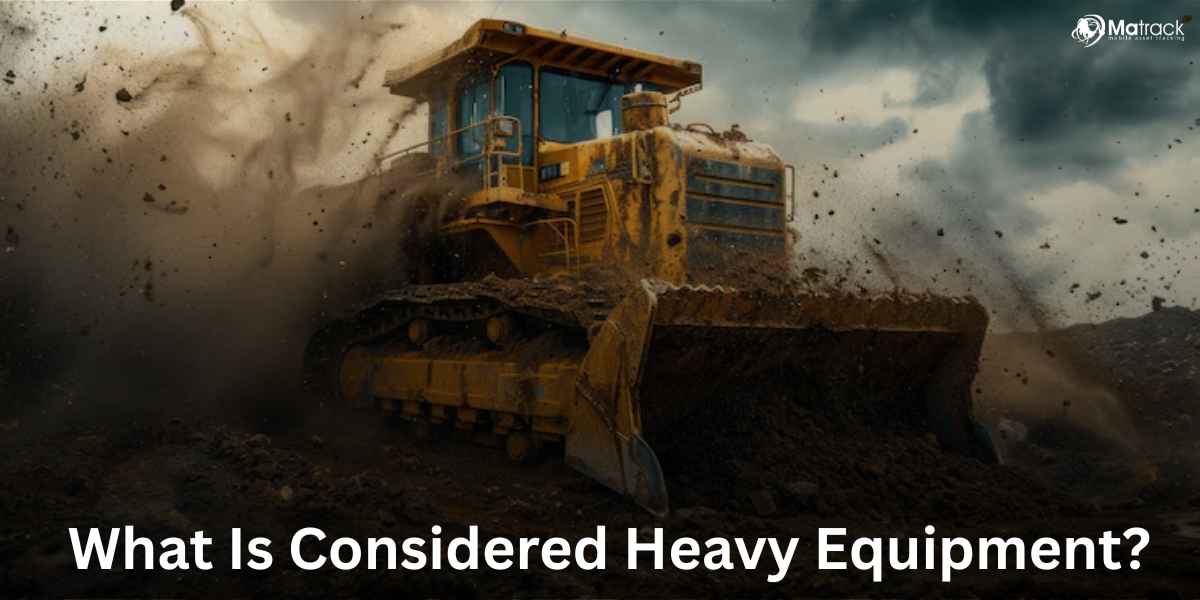
Heavy equipment is considered large, power-driven machinery used for demanding construction, excavation, and earthmoving operations. Machines such as excavators, bulldozers, loaders, cranes, and dump trucks fall into this category due to their high operating weight, powerful engines, and hydraulic systems designed for heavy-duty work.
Strong steel frames, hydraulic arms, and specialized attachments allow these machines to dig soil, lift materials, grade surfaces, and transport heavy loads efficiently. Construction projects depend on this equipment to handle tasks like land clearing, trenching, foundation preparation, and material hauling.
Industries such as construction, mining, infrastructure development, and road building rely heavily on these machines for large-scale operations. Reliable heavy machinery improves productivity, reduces manual labor, and enables complex projects such as highways, bridges, and commercial structures.
What Industries Use Heavy Equipment?
Several industries rely on heavy equipment to perform large-scale operations that require powerful machines and specialized capabilities.
- Construction Industry: Excavators, bulldozers, loaders, and cranes handle excavation, grading, material transport, and structural lifting across residential, commercial, and infrastructure projects.
- Mining Industry: Dragline excavators, haul trucks, and large loaders remove overburden, extract minerals, and transport massive quantities of rock and soil across mining sites.
- Road and Infrastructure Development: Motor graders, asphalt pavers, road rollers, and dump trucks prepare road surfaces, move construction materials, and support highway and bridge construction.
- Agriculture and Land Development: Heavy tractors, loaders, and earthmoving machines clear land, move soil, and prepare large areas for farming or development projects.
- Forestry and Logging: Specialized machines such as feller bunchers and heavy loaders cut, lift, and transport timber during large-scale forestry operations.
What Are the Main Categories of Heavy Equipment?
Heavy equipment can be organized into several categories based on the primary function performed on construction, mining, and infrastructure projects.
Earthmoving Equipment
Excavators, bulldozers, scrapers move large quantities of soil, rock, debris during site preparation. Powerful hydraulic arms, blades allow operators to dig, push, reshape terrain efficiently.
Material Handling Equipment
Cranes, telehandlers, wheel loaders lift heavy construction materials across job sites. High lifting capacity, extendable booms help position steel beams, concrete blocks, pallets accurately.
Construction Transport Vehicles
Dump trucks, articulated haulers carry soil, sand, gravel, and demolition debris between work areas. Large payload capacity supports continuous material movement across rough construction terrain.
Road Construction Equipment
Motor graders shape road surfaces during grading operations. Asphalt pavers distribute hot asphalt evenly before road rollers compact the material to create stable pavement.
Soil Compaction Machines
Road rollers compress soil, gravel, asphalt to improve ground stability. Compaction increases surface strength before foundations, pavement layers are installed.
Excavation Equipment
Trenchers cut narrow trenches for pipelines, drainage systems, and underground utilities. Dragline excavators remove large volumes of material during deep excavation projects.
Lifting Equipment
Tower cranes raise construction materials to upper levels of tall buildings. Mobile cranes provide flexible lifting support across different areas of large construction sites.
Site Preparation Machinery
Skid steer loaders perform grading, debris removal, material transport in tight workspaces. Compact size allows efficient operation inside confined construction environments.
18 Types of Heavy Equipment Used in Construction
Construction sites rely on many specialized machines designed to handle digging, lifting, hauling, grading, and large-scale material movement.
1. Excavator
Excavators are one of the most commonly used machines in construction due to their powerful digging capability and flexible movement. A rotating cab and long hydraulic arm allow operators to dig deep trenches, remove soil, and handle heavy materials with precision.
Contractors depend on excavators during early construction phases when foundations, drainage systems, and underground utilities must be installed. Their ability to use multiple attachments also makes them useful for demolition and site-clearing tasks.
Key Features
• Hydraulic boom and arm
• Rotating operator cab
• Steel crawler tracks
• High digging power
• Multiple attachment options
Applications
• Foundation excavation
• Utility trenching
• Demolition support
• Land clearing
• Loading loose material
Average Cost
$100,000 – $500,000
2. Bulldozer
Bulldozers are designed to push heavy materials such as soil, sand, and rocks across construction areas. A wide steel blade mounted at the front allows the machine to move large amounts of earth efficiently.
These machines are commonly used when preparing land for roads, buildings, and infrastructure projects. Strong tracks provide stability and allow bulldozers to work effectively on rough or sloped terrain.
Key Features
• Large push blade
• Tracked undercarriage
• Powerful diesel engine
• Reinforced frame
• Excellent traction
Applications
• Land clearing
• Site leveling
• Road base preparation
• Debris movement
• Mining operations
Average Cost
$150,000 – $600,000
3. Backhoe Loader
Backhoe loaders combine digging capability with loading functionality in a single versatile machine. The rear arm performs excavation work while the front bucket lifts and moves materials around the job site.
Many contractors prefer backhoe loaders for smaller construction projects because they can perform multiple tasks without requiring additional equipment. Compact size also allows them to operate efficiently in tight work areas.
Key Features
• Rear digging arm
• Front loader bucket
• Hydraulic stabilizers
• Compact design
• Multi-function operation
Applications
• Utility trenching
• Pipe installation
• Small excavation work
• Material transport
• Landscaping projects
Average Cost
$40,000 – $120,000
4. Wheel Loader
Wheel loaders move large quantities of loose material such as gravel, soil, and sand. A large front bucket scoops materials and transfers them to dump trucks or stockpiles.
Construction sites and quarries rely on wheel loaders to maintain steady material flow. Their strong lifting arms allow operators to handle heavy loads safely and efficiently.
Key Features
• Large bucket capacity
• Articulated steering
• High lifting arms
• Heavy counterweight
• Durable axle system
Applications
• Loading trucks
• Moving aggregates
• Quarry operations
• Stockpile management
Average Cost
$100,000 – $350,000
5. Skid Steer Loader
Skid steer loaders are compact machines designed for excellent maneuverability in confined spaces. Independent wheel movement allows the machine to turn within its own footprint.
Despite their small size, skid steers deliver impressive power and can support many attachments. This flexibility makes them useful across construction, landscaping, and site maintenance tasks.
Key Features
• Compact frame
• Quick-attach coupler
• Independent wheel drive
• Tight turning radius
• Attachment compatibility
Applications
• Debris cleanup
• Small grading jobs
• Landscaping work
• Material movement
Average Cost
$25,000 – $80,000
6. Motor Grader
Motor graders create smooth and level surfaces during road construction and land development projects. Their long adjustable blades shape soil and gravel with high precision.
Road crews use graders to establish proper slope and drainage before paving begins. Accurate grading ensures roads remain stable and safe over time.
Key Features
• Long moldboard blade
• Blade angle adjustment
• Precision steering system
• Extended wheelbase
• Hydraulic blade control
Applications
• Road leveling
• Fine grading
• Drainage shaping
• Snow removal
Average Cost
$200,000 – $500,000
7. Dump Truck
Dump trucks transport heavy materials such as soil, sand, gravel, and demolition waste across construction sites. A hydraulic lifting bed allows the truck to unload materials quickly.
Large construction projects depend on dump trucks to keep materials moving between excavation zones and disposal areas. Their durability allows them to carry heavy loads repeatedly throughout the day.
Key Features
• Hydraulic dump bed
• Heavy-duty suspension
• High payload capacity
• Reinforced chassis
Applications
• Material hauling
• Debris transport
• Aggregate delivery
• Excavation support
Average Cost
$100,000 – $200,000
8. Articulated Hauler
Articulated haulers transport extremely heavy loads across rough terrain. A pivoting joint between the cab and trailer improves balance and maneuverability.
Mining and large construction sites rely on articulated haulers to move materials over long distances. Their off-road design allows them to operate effectively on uneven surfaces.
Key Features
• Articulated frame
• Large dump body
• All-wheel drive
• High load capacity
Applications
• Mining transport
• Large earthmoving projects
• Quarry operations
Average Cost
$300,000 – $1,000,000
9. Tower Crane
Tower cranes lift construction materials to significant heights during large building projects. Their tall structure allows them to move loads across wide construction zones.
High-rise construction depends heavily on tower cranes to transport steel beams, concrete panels, and structural components to upper floors.
Key Features
• Tall mast tower
• Long lifting jib
• Counterweight system
• High lifting capacity
Applications
• High-rise construction
• Structural steel lifting
• Concrete placement
Average Cost
$200,000 – $600,000
10. Mobile Crane
Mobile cranes provide lifting capability combined with transportation flexibility. Telescopic booms extend upward to raise heavy materials into position.
Contractors often use mobile cranes when lifting tasks must occur at different locations within the same construction site.
Key Features
• Telescopic boom
• Hydraulic outriggers
• Mobile chassis
• Load monitoring system
Applications
• Equipment lifting
• Structural assembly
• Industrial installation
Average Cost
$100,000 – $1,000,000
11. Pile Driver
Pile drivers install deep foundation supports required for bridges, buildings, and waterfront structures. Repeated hammering forces drive piles into the ground.
These machines are essential when construction takes place on soft or unstable soil. Deep foundations distribute structural weight safely below the surface.
Key Features
• Impact hammer mechanism
• Vertical guide frame
• Hydraulic power system
Applications
• Bridge foundations
• Coastal construction
• High-rise structures
Average Cost
$200,000 – $600,000
12. Asphalt Paver
Asphalt pavers lay hot asphalt evenly across roads, parking lots, and highways. A screed plate spreads the asphalt before compaction.
Consistent asphalt placement ensures smooth and durable road surfaces. Road crews rely on pavers to create uniform pavement layers.
Key Features
• Asphalt hopper
• Conveyor system
• Screed leveling plate
Applications
• Highway paving
• Parking lot construction
• Airport runways
Average Cost
$100,000 – $500,000
13. Road Roller
Road rollers compact soil, gravel, and asphalt to strengthen construction surfaces. Heavy drums apply pressure to remove air pockets and increase density.
Proper compaction improves road durability and prevents structural damage over time.
Key Features
• Vibratory steel drum
• High compaction force
• Hydraulic drive system
Applications
• Asphalt compaction
• Soil stabilization
• Road construction
Average Cost
$30,000 – $150,000
14. Trencher
Trenchers dig narrow trenches used for installing underground utilities such as cables and pipelines. Cutting chains or wheels remove soil while maintaining consistent trench depth.
Utility contractors rely on trenchers to complete long excavation paths quickly and accurately.
Key Features
• Cutting chain system
• Adjustable trench depth
• Hydraulic drive
Applications
• Pipeline installation
• Cable trenching
• Drainage construction
Average Cost
$10,000 – $100,000
15. Scraper
Scrapers cut, collect, and transport soil across large construction areas. A bowl-shaped container gathers earth while the machine moves forward.
Large land development projects rely on scrapers to reshape terrain efficiently. Their ability to cut and haul material in one motion improves productivity.
Key Features
• Soil cutting blade
• Large earth bowl
• Hydraulic gate control
Applications
• Land leveling
• Site preparation
• Earth transport
Average Cost
$200,000 – $600,000
16. Dragline Excavator
Dragline excavators are massive machines used primarily in surface mining operations. A suspended bucket attached to a long boom allows them to remove large amounts of material.
Their extended reach makes draglines ideal for removing overburden layers before mineral extraction begins.
Key Features
• Long boom structure
• Drag bucket system
• Cable-controlled operation
Applications
• Surface mining
• Large excavation work
• Dredging operations
Average Cost
$1,000,000 – $100,000,000
17. Telehandler
Telehandlers lift heavy loads using a telescopic boom that extends forward and upward. Fork attachments allow operators to move pallets and construction materials efficiently.
Construction sites often use telehandlers to place materials at elevated locations such as building floors or scaffolding platforms.
Key Features
• Telescopic boom
• Fork attachment system
• Stabilizing outriggers
Applications
• Material placement
• Pallet transport
• Building construction
Average Cost
$70,000 – $150,000
18. Cold Planer
Cold planers remove worn asphalt layers during road repair and resurfacing projects. A rotating drum grinds pavement surfaces so new asphalt can be applied.
Highway maintenance teams rely on cold planers to restore damaged roadways without rebuilding the entire structure.
Key Features
• Rotating milling drum
• Depth control system
• Conveyor discharge
Applications
• Asphalt removal
• Road resurfacing
• Pavement repair
Average Cost
$300,000 – $1,000,000
Why Is Heavy Equipment Important in Modern Construction?
Modern construction projects rely on powerful machinery to complete large-scale work efficiently and safely.
Higher Productivity
Heavy equipment allows construction teams to complete excavation, grading, and material movement much faster than manual labor. Machines such as excavators, loaders, and dump trucks handle large volumes of soil and construction materials in a short time.
Project Scale
Large infrastructure developments require machines capable of handling massive workloads. Equipment like cranes, bulldozers, and motor graders makes it possible to build highways, bridges, and commercial buildings.
Worker Safety
Construction sites involve lifting heavy materials and performing demanding physical tasks. Heavy machinery reduces the physical strain on workers and lowers the risk of workplace injuries.
Work Precision
Advanced construction equipment includes control systems that allow operators to perform accurate digging, grading, and lifting operations. Precise machine control helps improve construction quality and reduce costly mistakes.
Faster Completion
Efficient machinery helps contractors meet project deadlines and maintain steady workflow across construction stages. Faster excavation and material transport allow projects to move from site preparation to completion more quickly.
How to Choose the Right Heavy Equipment?
Selecting the right heavy equipment helps ensure construction projects run efficiently, safely, and within budget.
Project Requirements
Different construction tasks require specific machines designed for particular operations. Excavators handle digging work, loaders move materials, and cranes manage heavy lifting tasks.
Site Conditions
Ground conditions and available space influence the type of equipment used on a construction site. Rough terrain may require tracked machines, while compact areas often benefit from smaller equipment such as skid steer loaders.
Machine Capacity
Operating weight, lifting capacity, and engine power determine how effectively equipment can handle heavy workloads. Choosing machines with the right capacity prevents delays and improves overall project performance.
Fuel Efficiency
Fuel consumption plays a major role in operating costs during long construction projects. Modern equipment with efficient engines helps contractors reduce fuel expenses and improve sustainability.
Maintenance Needs
Reliable equipment with accessible maintenance systems helps minimize downtime during construction work. Regular servicing ensures machines operate safely and maintain consistent productivity throughout the project.
Heavy Equipment Shipping for Construction Vehicles
Heavy equipment shipping plays a key role in keeping construction projects on track. Moving large machines like excavators, bulldozers, and cranes requires planning, care, and the right equipment.
Transporting construction vehicles safely means choosing a method that matches the size and weight of each machine. The most common options include:
- Flatbed trailers for smaller or standard-sized vehicles that don’t exceed typical road limits.
- Lowboy trailers for taller or heavier equipment that needs to stay low to the ground for clearance.
- Multi-axle carriers for the largest loads where extra axles provide added support and balance.
Shipping construction equipment requires permits, secure loading, planned routes, and insurance. An experienced transport company ensures safe and timely delivery.
How Matrack Helps You Track Heavy Equipment?
Matrack makes it easy to keep tabs on heavy equipment by showing exactly where each machine is at any given time. If a piece of equipment leaves a job site or moves during off-hours, you receive an alert immediately.
The GPS fleet tracking device is built to handle tough environments and require minimal upkeep. Once installed, they continue tracking usage, movement, and idle time without needing manual checks.
You can access all this information from a laptop or phone using Matrack’s platform. It helps reduce guesswork, prevent losses, and maintain full control over your equipment.
Frequently Asked Questions
What Is Earthmoving Equipment
Earthmoving equipment refers to machines designed specifically to dig, move, and relocate large volumes of soil or rock. Common examples include excavators, bulldozers, scrapers, and wheel loaders used during site preparation.
How Long Does Heavy Equipment Last
Most heavy construction machines can operate for 7,000 to 10,000 working hours or more with proper maintenance. Regular servicing, lubrication, and component replacement help extend equipment lifespan.
What Skills Are Needed To Operate Heavy Equipment
Operating heavy machinery requires training, safety awareness, and strong coordination skills. Many operators complete certification programs that teach equipment control, safety procedures, and job-site communication.
What Is The Difference Between Heavy Machinery And Construction Equipment
Heavy machinery is a broader term that includes large industrial machines used in multiple industries. Construction equipment specifically refers to machines designed for building, excavation, and infrastructure development tasks.
What Safety Measures Are Important When Using Heavy Equipment
Safe operation requires proper training, routine equipment inspection, and clear communication between workers on the job site. Protective gear, visibility systems, and safety guidelines help prevent accidents during construction work.