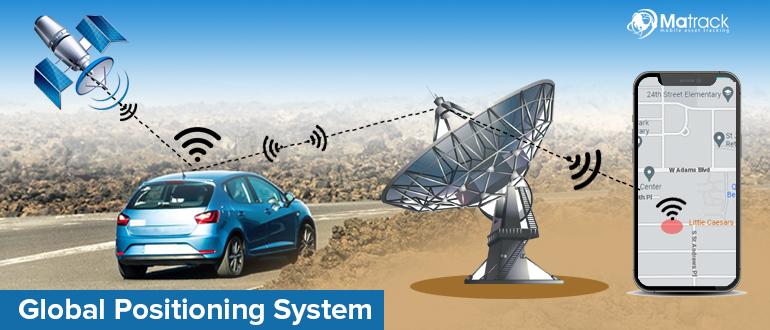


Family1st Portable GPS Tracker runs on its own battery and leaves the OBD-II port free, which suits authorized owners who move the tracker between vehicles or want discreet placement without permanent wiring. Regular charging comes with that flexibility. Bouncie removes the charging routine by drawing continuous power from the diagnostic port while adding vehicle diagnostics and driving-event records.
After power source and placement, reporting interval and service cost become the next filters. Battery demands, alerts, weather exposure, and access to diagnostic or driving records then separate models with otherwise similar features.
Our Top Choices For Car GPS Trackers
 Family1st Portable GPS Tracker
- Best For: Hidden Tracking
- Format: Portable
- Updates: 60 sec; 30 sec Plus
- Power: Battery
- Device Cost: $29.95
- Subscription: $21.95/mo; $15.95/mo annual equiv.
 Bouncie
- Best For: OBD-II Tracking
- Format: Plug-in
- Updates: 1 sec during trips
- Power: Vehicle
- Device Cost: $89.99
- Subscription: $9.65/mo
 Mobile-200
- Best For: Magnetic Mounting
- Format: Magnetic
- Updates: 30 sec
- Power: Battery
- Device Cost: $64.99
- Subscription: $12.50–$19.99/mo
 Americaloc GL300MXW
- Best For: Compact Portable
- Format: Portable
- Updates: 5–60 sec
- Power: Battery
- Device Cost: $71.98
- Subscription: $17.98–$19.98/mo
 MOTOsafety Plug-In
- Best For: Driver Behavior
- Format: Plug-in
- Updates: 60 sec
- Power: Vehicle
- Device Cost: $69.99 sale
- Subscription: $25/mo
 VTPlug TK374
- Best For: Configurable OBD
- Format: Plug-in
- Updates: 60–15 sec
- Power: Vehicle
- Device Cost: $17.99
- Subscription: $8.99–$25.99/mo
 Amcrest GL310
- Best For: Fast Updates
- Format: Portable
- Updates: 30/5/1 sec
- Power: Battery
- Device Cost: $44.99
- Subscription: $19.99–$42.99/mo
How we compared the GPS trackers?
GPS tracker specs can tell you a lot about how a device works, but the numbers alone don’t tell the whole story. Power source and installation affect daily use, while update frequency, alerts, weather resistance, subscription fees, vehicle records, and battery life help explain what owning each tracker actually looks like.
Finding the most accurate tracker or the one with the longest battery life would require testing all eight models under the same conditions. Each would need to run in the same vehicle and along the same route, with matching settings for tracking updates, geofences, signal interruptions, battery checks, installation, and app usability. Since comparable test results aren’t available for every model, the comparison doesn’t assign test scores or name winners for accuracy, alert speed, or battery life.
Update frequency is a good example of why the details matter. A tracker sending a location every second serves a different need from one reporting every 30 seconds or three minutes. More frequent updates can use battery power faster, while longer intervals may mean fewer charging breaks. The right choice comes down to how closely you need to follow a vehicle, how often you can recharge the device, and whether the subscription fits your budget.
What are the best GPS tracker for cars in 2026?
1. Family1st Portable GPS Tracker — Best for Hidden Car Tracking
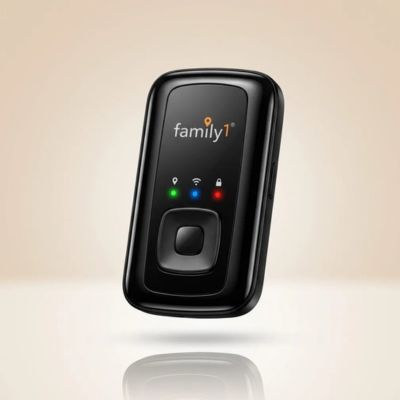
For discreet vehicle monitoring, the Family1st Portable GPS Tracker can be placed inside a car you’re authorized to track without occupying the OBD-II port. Its rechargeable design doesn’t require permanent wiring, so the same unit can be moved between vehicles.
Standard service reports locations every 60 seconds, dropping to 30 seconds with Plus. Unlimited geofences notify you when the car enters or leaves a saved area. Speed alerts flag driving above your chosen limit, so you don’t have to review the entire trip to identify those incidents.
Battery life is rated for up to 14 days, with low-battery warnings indicating when the unit needs charging. A concealed location should still allow you to retrieve it without difficulty. For exterior mounting, you’ll need the optional magnetic case, since the bare tracker has an IPX5 splash-resistance rating.
Pros and Cons
| Pros | Cons |
|---|---|
| ✅ Easy to set up and operate | ❌ Need to buy case for extra care |
| ✅ Perfect for personal and business tracking needs | |
| ✅ Comes with a lifetime warranty |
Product Features
- Real-Time Tracking
- Geo-Fencing Alerts
- Low Battery Alerts
- Nationwide Coverage
- Lifetime Warranty
- Portable and Lightweight (3.68 ounces)
- 24/7 Customer Support
Product Specifications
| Feature | Details |
|---|---|
| Monthly Subscription | $15.95 (annual plan) or $21.95 (monthly) |
| Size | 2.75″ x 1.8″ x 1.1″ |
| Weight | 3.68 ounces |
| Battery Type | Rechargeable internal battery |
| Battery Life | Up to 2 weeks |
| How To Install | Place discreetly or use a magnetic case |
| Operating System | iOS and Android |
2. Bouncie — Best for OBD-II Vehicle Insights
Engine trouble codes and GPS trip history appear together in Bouncie’s account. Through the OBD-II port, it collects vehicle-health information and driving events, along with maintenance and accident-related records. Bouncie states that positions are recorded every second during trips, with the map refreshing as the car moves.
The same diagnostic connection powers the hardware, eliminating the need to recharge a separate battery. Not every electric vehicle is compatible, so confirm support for your specific model before purchasing.
Pros and Cons
| Pros | Cons |
|---|---|
| ✅ Budget-friendly subscription | ❌ Features depend on cellular connectivity |
| ✅ Straightforward setup | |
| ✅ Easy-to-use mobile app |
Product Features
- Accident notifications
- Geo-Zone alerts
- Speed monitoring alerts
- Weather alerts
- Real-time updates (15 seconds)
- GeoFence setup
- Vehicle health monitoring
- Route history
- Unlimited data retention
- 4G LTE connectivity
- Google Maps integration
- Device compatibility
- Small form factor
- No activation fees
- Access anywhere
- Reports for export
- Durability
Product Specifications
| Feature | Details |
|---|---|
| Monthly Subscription | $9 |
| Size | 1.75″ x 1.87″ x 1″ |
| Weight | 0.08 pounds |
| Battery Type | Internal (powered by OBDII) |
| Battery Life | Continuous (via OBD II) |
| How To Install | Plug into OBD II port |
| Operating System | iOS, Android, and web-based |
3. Logistimatics Mobile-200 — Best for Live Audio Monitoring
Live call-in audio is the main difference between the Logistimatics Mobile-200 and a location-only tracker. GPS reports arrive every 30 seconds, and authorized users have the option to listen remotely. Permission to track a vehicle doesn’t automatically permit audio monitoring, so applicable privacy and recording-consent laws need to be followed.
A magnet built into the housing attaches the Mobile-200 to suitable metal surfaces without an extra mounting accessory. For exterior installations, its IP67-rated enclosure protects against dust and water exposure.
The 6,000 mAh rechargeable battery operates independently of the car’s electrical system. Runtime is rated for up to 10 days per charge. If the device stays mounted outside the cabin, you’ll need access to remove it for recharging.
Pros and Cons
| Pros | Cons |
|---|---|
| ✅ Strong magnetic mount for versatile placement | ❌ Requires subscription for tracking services |
| ✅ Includes live audio feature | |
| ✅ Suitable for outdoor use |
Product Features
- Real-Time GPS Tracking (30-second updates)
- Magnetic Mount
- Waterproof Design
- GeoFence Alerts
- Location History
- API Integration
- Fully Customizable Metrics
Product Specification
| Feature | Details |
|---|---|
| Monthly Subscription | $14.95 (standard plan) or $19.95 (premium) |
| Size | Not Available |
| Weight | Not Available |
| Battery Type | Rechargeable internal battery |
| Battery Life | Up to 7 days |
| How To Install | Attach to metal surface using magnet |
| Operating System | iOS and Android |
4. Americaloc GL300MXW — Best for Long-Term Tracking History
A route recorded two years ago remains within the Americaloc GL300MXW’s three-year tracking-history window. Service coverage extends to more than 180 countries, allowing records from supported international journeys to become part of that history.
On eligible plans, location reports arrive as frequently as every five seconds. Battery life is rated for up to three weeks, although reporting frequency and operating conditions affect the time between charges. The GL300MXW doesn’t have a built-in magnet, so magnetic mounting requires an optional case.
Pros and Cons
| Pros | Cons |
|---|---|
| ✅ Detailed tracking and alerts | ❌ Battery-powered, requires charging |
| ✅ Discreet and portable design | |
| ✅ No hidden fees or contracts |
Product Features
- Movement alerts
- Parked alerts
- Speeding alerts
- Device on/off alerts
- Low battery alerts
- Zone entry/exit alerts
- Button press alerts
- Real-time tracking (10, 20, 30, 60-second updates)
- Global coverage (180+ countries)
- Compact design with magnetic case
- 3 years of tracking history
- Power-saving mode when stationary
- Configurable notifications (text, WhatsApp, email)
- CAT-M1 IoT connectivity
- Multipurpose tracking for vehicles, assets, personnel
- Downloadable reports
- Multiple device management
Product Specifications
| Feature | Details |
|---|---|
| Monthly Subscription | $19.98 (monthly) or $17.98 (annual) |
| Size | Not Available |
| Weight | Not Available |
| Battery Type | Rechargeable internal battery |
| Battery Life | Up to 30 days |
| How To Install | Place discreetly or use magnetic case |
| Operating System | iOS, Android, and web-based |
5. MOTOsafety Plug-In GPS Tracker — Best for Teen Driver Monitoring
Speeding, harsh braking, and rapid acceleration appear in the MOTOsafety Plug-In GPS Tracker’s daily Driver’s Report Card. Parents can receive configurable alerts about those behaviors during a trip, before reviewing the full report later. Geofence notifications separately identify arrivals and departures from saved locations. GPS positions update once per minute. The OBD-II connection draws power from the car, removing the need for regular charging. MOTOsafety doesn’t support electric vehicles with this plug-in model.
Pros and Cons
| Pros | Cons |
|---|---|
| ✅ Ideal for monitoring teen drivers | ❌ Higher subscription cost |
| ✅ Easy to install and use | |
| ✅ Comprehensive driving reports |
Product Features
- Movement alerts
- Harsh braking alerts
- Rapid acceleration alerts
- Speeding alerts
- Geofence entry/exit alerts
- Device unplugged or tampered alerts
- Maintenance schedule alerts
- Real-time GPS tracking (60-second updates)
- No batteries required (powered by OBDII port)
- Plug-and-play installation
- Geofence capability for zone monitoring
- Driving report cards and route replay
- Teen driver coaching program with safety scorecards
- Compatible with iOS and Android mobile apps
Product Specifications
| Feature | Details |
|---|---|
| Monthly Subscription | $25 |
| Size | Not Available |
| Weight | Not Available |
| Battery Type | Internal (powered by OBDII) |
| Battery Life | Continuous (via OBDII) |
| How To Install | Plug into OBDII port |
| Operating System | iOS and Android |
6. AccuTracking VTPlug TK374 — Best for International OBD Tracking
AccuTracking lists roaming coverage for the VTPlug TK374 across the United States, Canada, Mexico, and more than 100 additional countries. Through its OBD-II connection, the tracker reads information from the vehicle computer alongside GPS locations.
Straight-road reporting intervals range from 60 seconds down to 15 seconds, depending on the service package. At the highest tier, turns can trigger updates approximately every three seconds. Historical access and reporting allowances differ between subscriptions, so the available trip records depend on the plan selected.
Pros and Cons
| Pros | Cons |
|---|---|
| ✅ Simple installation process | ❌ Requires OBDII port connection |
| ✅ Provides detailed vehicle insights | |
| ✅ Flexible subscription options |
Product Features
- Movement alerts
- Geofence entry/exit alerts
- Speeding alerts
- Ignition/ACC alerts
- Device unplug alerts
- Harsh braking/acceleration/turning alerts
- Check engine light ON (DTC code alerts)
- Engine idle alerts
- Oil change alerts
- Engine temperature alerts
- RPM alerts
- Real-time GPS tracking (updates every 60, 30, or 15 seconds, 3 seconds on turns)
- 4G LTE connectivity with roaming SIM (USA, Canada, Mexico)
- No activation, cancellation, or hidden fees
- Plug-and-play OBD-II installation
- Built-in battery with unplug alerts
- Works with most vehicles
- Lightweight (2.1 oz)
- Up to 4 months tracking history
- Vehicle diagnostics included
- Detailed tracking reports
- Lifetime warranty
- US-based phone customer support
Product Specifications
| Feature | Details |
|---|---|
| Monthly Subscription | Starting at $8.99 |
| Size | 2.5″ x 2″ x 1″ |
| Weight | 2.1 ounces |
| Battery Type | Internal (powered by OBDII) |
| Battery Life | Continuous (via OBDII) |
| How To Install | Plug into OBDII port |
| Operating System | iOS and Android |
7. Amcrest GL310 4G — Best for High-Frequency GPS Reporting
Amcrest GL300 tracker performed exceptionally well in our tests, offering robust features in a compact, weatherproof design.
It provides real-time tracking updates and geofencing capabilities, which we found useful for monitoring vehicle activity with precision.
The customizable alerts and detailed reporting stood out, helping us stay informed about the car’s location and movements. Its small size and magnetic case allowed us to attach it discreetly to the car, ensuring effective and unobtrusive tracking.
Pros and Cons
| Pros | Cons |
|---|---|
| ✅ Sturdy and reliable build | ❌ Subscription required for updates |
| ✅ Real-time updates with detailed reporting | |
| ✅ Compact and easy to hide |
Product Features
- Geo-fence entry/exit alerts
- Speed limit alerts
- Harsh braking alerts
- Start/stop alerts
- Proximity alerts
- Text, email, and push notifications
- Real-time tracking (1, 5, 30-second updates)
- Compact, weatherproof design with magnetic case
Product Specifications
| Feature | Details |
|---|---|
| Monthly Subscription | Starting at $19.99 |
| Size | Not Available |
| Weight | Not Available |
| Battery Type | Rechargeable lithium-ion |
| Battery Life | Up to 14 days |
| How To Install | Attach using the magnetic case |
| Operating System | iOS, Android, and web-based |
OBD-II vs. magnetic vs. portable GPS trackers: which type matches your car?
authorized vehicles, and magnetic hardware for flexible mounting or exterior exposure. Charging tolerance and placement usually decide the format; vehicle diagnostics matter mainly with some plug-in trackers.
Type | Power | Install | Best for | Diagnostics | Tradeoff |
OBD-II | Vehicle | Plug-in | Low maintenance | Sometimes | Easy removal |
Portable | Battery | Free placement | Multiple vehicles | Rare | Recharging |
Magnetic | Battery | Magnetic mount | Flexible placement | Rare | Recharging |
Hardwired | Vehicle | Fixed wiring | Permanent install | Varies | More labor |
What “real-time GPS tracking” actually means
“Real-time” GPS tracking sends repeated location updates to an app or web account at a defined interval. Update schedules range from seconds to minutes depending on the tracker and service tier, so the label alone says little about actual reporting speed.
A fresh remote update depends on both a position fix and a working communications path from the tracker to the account. Weak cellular service delays new reports, while shorter intervals increase battery demand on rechargeable hardware and raise the price of some service tiers. Compare reporting interval, plan price, and battery conditions together.
GPS tracker cost: calculate hardware + subscription, not sticker price
The real ownership cost includes the device plus the service plan required for remote reporting. A low hardware price still leads to a higher first-year total when faster reporting sits behind a more expensive monthly tier.
Using the supplied prices, the first-year totals below add hardware to 12 months of service. Taxes, shipping, activation charges, and temporary promotions beyond the listed sale prices stay outside the calculation.
Product | 12-mo service | Year 1 total |
Family1st Portable | $191.40–$263.40 | $221.35–$293.35 |
Bouncie | $115.80 | $205.79 |
Mobile-200 | $150.00–$239.88 | $214.99–$304.87 |
Americaloc GL300MXW | $215.76–$239.76 | $287.74–$311.74 |
MOTOsafety Plug-In | $300.00 | $369.99 |
VTPlug TK374 | $107.88–$311.88 | $125.87–$329.87 |
Amcrest GL310 | $239.88–$515.88 | $284.87–$560.87 |
Family1st’s lower figure reflects the $15.95 monthly equivalent of the annual plan; the higher figure reflects the $21.95 monthly plan. For products with service ranges, the first-year range reflects the lowest and highest monthly prices supplied.
These totals explain why hardware price and subscription price belong in the same comparison. VTPlug TK374 starts with the lowest hardware price and the lowest first-year total at its cheapest tier, while faster or higher-tier plans push several battery trackers far above their sticker prices. Reporting frequency still matters: a cheaper slower-update plan reports less often than a higher-priced faster tier.
GPS tracker vs. AirTag: which one belongs in a car?
Apple documents Find My as a crowdsourced network in which nearby Apple devices report an accessory’s approximate location. That design differs from a cellular vehicle tracker whose service plan defines reporting behavior. Repeated vehicle monitoring points toward cellular GPS; locating personal belongings points toward AirTag.
Point | Cellular GPS tracker | AirTag / Find My |
Location method | GPS/GNSS + cellular | Bluetooth + Find My |
Update timing | Defined interval | Nearby-device dependent |
Service fee | Usually required | No tracker plan |
Interval control | Often adjustable | Not adjustable |
Best for | Vehicle monitoring | Item finding |
Main tradeoff | Recurring cost | Unscheduled updates |
Is it legal to use a GPS tracker on a car?
In the United States, state law, consent, vehicle ownership, and the surrounding circumstances determine the legality of placing a GPS tracker on a car. Ownership alone leaves some privacy questions unresolved because states treat location tracking and stalking-related conduct differently.
Employer monitoring, parent-minor situations, investigative activity, and other exceptions receive different treatment across jurisdictions. Check the law that applies where tracking occurs, especially when another person’s movements enter the account; audio recording raises separate legal questions beyond location tracking.
How to choose the right GPS tracker for your car
Start with the tracking job, then choose the power and installation format that creates the least unnecessary maintenance. Reporting speed and recurring cost narrow the field after that, while alerts, weather exposure, and diagnostics refine the choice.
- Power format: OBD-II removes routine charging; portable and magnetic formats favor flexible placement.
- Reporting interval: Shorter intervals create denser location histories and increase battery demand.
- Ownership cost: Add hardware to 12 and 36 months of the service tier you plan to buy.
- Alerts: Match geofence, speed, movement, or driving-behavior notifications to the monitoring purpose.
- Weather protection: Exterior placement calls for an appropriate enclosure rating.
- Diagnostics: Some OBD-II trackers report vehicle records or driving events.
- Compatibility: Confirm the diagnostic port, cellular service, and mounting requirements before purchase.
- History: Check how long the account keeps route or event records.
- Legal authority: Confirm ownership, consent, and applicable state rules before tracking.
Final thoughts
Start with power source and installation. OBD-II trackers match continuous vehicle power, portable battery trackers favor movement between authorized vehicles, and magnetic trackers favor flexible or weather-exposed placement. Reporting interval and recurring service cost then separate options that look similar on a feature list.
Price changes the picture after subscription fees enter the calculation. The cheapest hardware sometimes moves higher over a year, while faster reporting raises monthly service cost and charging frequency on some plans. Match the tracker format, reporting interval, alerts, and service tier to the actual job before choosing by sticker price.