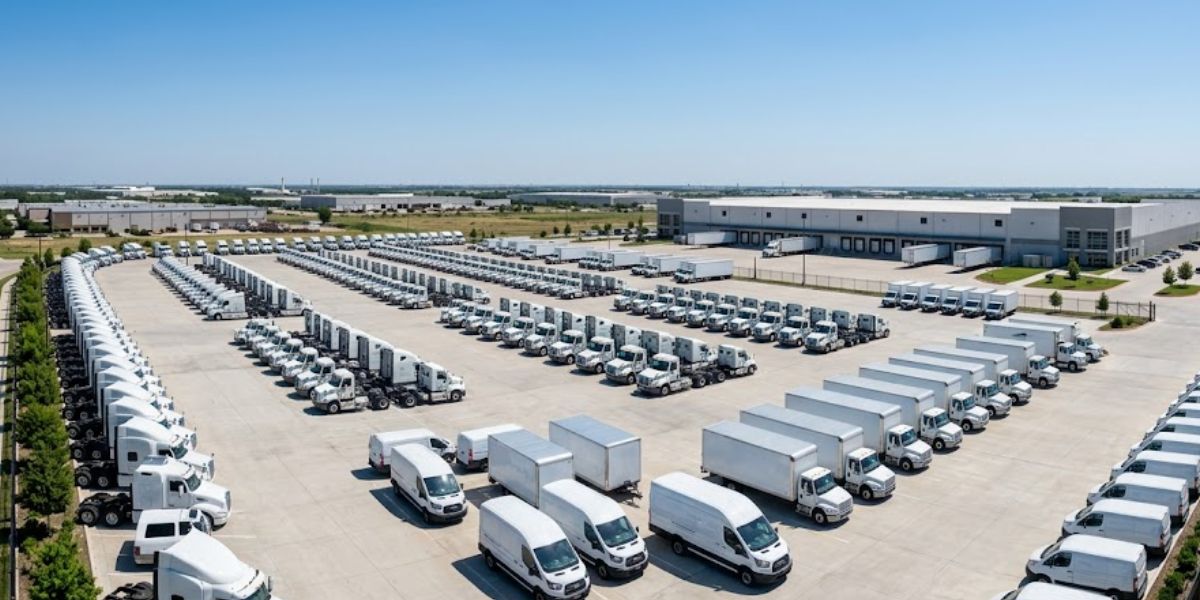


Vehicle fleet management is the process of managing business-owned vehicles to ensure efficient operation, proper maintenance, and regulatory compliance across their lifecycle. It includes vehicle acquisition, daily operation, maintenance oversight, fuel control, and replacement planning.
Execution of fleet management depends on telematics and fleet management software that collect and organize vehicle data. These systems enable tracking of vehicle location, maintenance status, fuel usage, and driver behavior, allowing operational issues to be identified and addressed early.
Businesses rely on fleet management to improve delivery times, reduce risks, and maintain regulatory standards. Effective fleet management directly improves profitability and customer satisfaction.
How Does Vehicle Fleet Management Work?
Vehicle fleet management works by structuring vehicle-related activities into clear operational steps. Each step controls a specific part of fleet cost, performance, or risk.
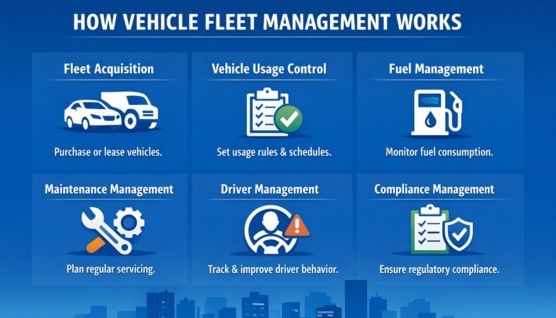
- Fleet Acquisition: Vehicles are purchased or leased based on workload, route demands, and budget constraints. Choosing the right vehicle type early prevents underuse, excessive fuel costs, and avoidable maintenance issues.
- Vehicle Usage Control: Usage rules determine who can operate vehicles, when they are deployed, and for which tasks. Clear control over usage improves scheduling efficiency and reduces unnecessary wear.
- Fuel Management: Fuel consumption is monitored through mileage data, fuel records, and telematics insights. Patterns such as excessive idling or inefficient routing can then be corrected to lower fuel spending.
- Maintenance Management: Servicing is planned using mileage, time intervals, or vehicle condition. Preventive maintenance reduces breakdowns and keeps vehicles available for daily operations.
- Driver Management: Driving behavior is reviewed using indicators like speeding, harsh braking, and idle time. Addressing unsafe habits improves road safety and limits accident-related costs.
- Compliance Management: Regulatory requirements such as inspections, insurance, licensing, and safety checks are tracked centrally. Staying compliant reduces legal exposure and prevents operational interruptions.
Together, these steps create a controlled workflow that keeps fleet operations efficient and predictable. Instead of reacting to problems, businesses can manage vehicles proactively and at scale.
What Are the Core Components of Vehicle Fleet Management?
Vehicle fleet management relies on a set of connected components that guide how vehicles are planned, used, and controlled. These components work together to keep fleet operations efficient, safe, and compliant.
Vehicle Lifecycle Management
Vehicle lifecycle management covers how vehicles are added to the fleet, used over time, and eventually replaced. Planning these stages helps control long-term costs and avoids keeping vehicles after they become inefficient to operate.
Fleet Maintenance Management
Fleet maintenance management focuses on keeping vehicles roadworthy and reliable. Regular servicing and timely repairs reduce breakdowns and protect daily operations.
Fuel and Cost Management
Fuel and cost management deals with monitoring fuel usage and operating expenses. Keeping track of consumption helps identify waste and manage ongoing fleet costs.
Driver and Safety Management
Driver and safety management focuses on how vehicles are driven. Monitoring driving behavior helps reduce accidents, improve safety standards, and limit liability.
Compliance and Documentation Management
Compliance management ensures vehicles meet licensing, insurance, inspection, and safety requirements. Proper records help fleets avoid fines, delays, and operational disruptions.
How To Manage Fleet Vehicles?
Managing fleet vehicles requires a structured approach that balances efficiency, cost control, and safety. Every step plays a role in keeping operations smooth and vehicles reliable.

Define Fleet Objectives
The first step in fleet management is setting clear and measurable goals. Objectives like reducing fuel costs, lowering repair expenses, or improving delivery times give direction to daily operations.
These goals act as benchmarks to measure success. When managers align objectives with business priorities, fleet performance becomes easier to track and improve.
Select The Right Vehicles
Choosing the right vehicles ensures the fleet matches the business purpose. A delivery company benefits from compact, fuel-efficient vans, while construction firms need heavy-duty trucks.
Each vehicle type carries different costs and advantages. Selecting correctly reduces waste and ensures vehicles support the company’s core services.
Implement Vehicle Tracking Systems
Vehicle fleet tracking gives managers visibility over how, when, and where vehicles are being used. GPS data prevents misuse, improves route planning, and reduces risks like theft.
Tracking insights reveal driver habits such as speeding or long idle times. Acting on these patterns helps improve efficiency and accountability.
Monitor Fuel Consumption
Fuel is one of the largest expenses in fleet operations, which makes monitoring essential. Fuel cards and telematics tools record every transaction and gallon used.
This data highlights patterns of overuse or potential misuse. By acting on these insights, businesses cut waste and control costs effectively.
Schedule Regular Maintenance
Regular vehicle maintenance keeps vehicles safe and extends their lifespan. Automated scheduling tools make it easier to stay ahead of inspections and repairs.
Preventive service reduces unexpected breakdowns and costly downtime. Simple actions like timely oil changes or tire checks have a major impact on fleet reliability.
Train Drivers Effectively
Drivers play a direct role in the success of fleet operations. Training programs improve safety, reduce accidents, and encourage fuel-efficient driving.
Feedback and monitoring turn training into long-term improvement. A well-trained driver not only protects the vehicle but also strengthens company reputation.
Ensure Compliance With Regulations
Compliance protects businesses from fines, penalties, and unexpected downtime. Every vehicle must carry valid cdl licenses, insurance, and meet emission standards.
Keeping inspection records updated proves accountability. Staying compliant builds trust with customers and regulators alike.
Analyze Fleet Data
Data analysis transforms day-to-day information into useful insights. Metrics such as mileage, fuel usage, and repair frequency reveal where improvements are needed.
Using this information helps managers refine policies and optimize routes. Data-driven decisions reduce expenses and increase productivity.
Replace Vehicles On Time
Every vehicle has a lifespan, and timely replacement avoids costly repairs. Vans often last up to 150,000 miles, while heavy-duty trucks can reach 300,000 miles.
Planning replacements keeps the fleet reliable and cost-effective. Retiring vehicles before they become liabilities ensures smoother operations.
What Are The Benefits And Challenges In Fleet Management?
| Benefits of Fleet Management | Challenges in Fleet Management |
| Reduces fuel expenses by eliminating idling and optimizing routes. | Rising fuel prices and frequent maintenance increase costs. |
| Extends vehicle lifespan through preventive maintenance. | Shortage of skilled drivers limits fleet efficiency. |
| Improves safety by reducing accidents through driver monitoring. | Changing regulations increase compliance workload. |
| Maintains compliance and avoids legal penalties. | Breakdowns and repairs cause downtime and delays. |
| Enhances customer satisfaction with reliable, on-time deliveries. | Large volumes of fleet data are difficult to analyze. |
What Does a Fleet Manager Do?
A fleet manager directs the overall strategy and daily operations of a company’s vehicle fleet. Their role blends decision-making, leadership, and data-driven management to keep fleets efficient, safe, and profitable.
Handling Operations
Fleet managers oversee the day-to-day movement of vehicles and drivers. They assign routes, schedule tasks, and ensure that every vehicle is being used productively.
Managing Costs
One of their biggest responsibilities is financial control. From fuel expenses to repair bills, they track every cost and look for ways to cut waste without affecting performance.
Using Technology
Modern fleet management depends heavily on technology. Fleet managers deploy tools like GPS tracking, telematics, and automated software to improve visibility and decision-making.
Building Safety Standards
Safety is another priority for fleet managers. They create policies for drivers, introduce training programs, and set up risk management systems that reduce accidents and liabilities.
Leading Teams
Beyond vehicles and technology, fleet managers lead people. They guide drivers, mechanics, and coordinators, making sure everyone follows best practices and works toward shared goals.
Reporting and Planning
Finally, fleet managers turn data into strategy. They prepare reports on fuel use, maintenance trends, and overall fleet performance, giving company leaders the insights needed to plan future investments.
What Is the Role of Telematics in Vehicle Fleet Management?
Telematics plays a central role in fleet management by turning vehicle activity into real-time, usable data. It allows fleets to monitor performance, control costs, and manage risk without relying on manual reporting.
- Vehicle Visibility: Telematics shows where vehicles are, how far they travel, and how often they are used. This helps fleets understand utilization patterns and identify misuse or inefficiencies.
- Maintenance Planning: By monitoring mileage and vehicle health data, telematics helps fleets plan maintenance at the right time. This reduces breakdowns and keeps vehicles available for work.
- Fuel Control: Fuel-related data highlights excessive idling, inefficient routes, and driving habits that increase fuel costs. These insights allow fleets to correct waste before it becomes a long-term expense.
- Driver Accountability: Telematics links driving behavior to individual drivers. This makes it easier to enforce safety standards and address risky behavior fairly.
- Operational Accuracy: Automated data collection replaces manual logs and estimates. Accurate records improve reporting, compliance tracking, and long-term fleet decisions.
How Matrack Fleet Management Solutions Helps You In Better Operations?
Matrack provides businesses with advanced GPS tracking and telematics tools that improve visibility across the entire fleet. Real-time updates on location, routes, and driver behavior help managers make faster and more accurate decisions.
The platform includes an ELD device that simplifies compliance with Hours of Service regulations while automating key tasks like fuel tracking and maintenance scheduling. This integration reduces paperwork, ensures legal compliance, and keeps vehicles road-ready.
Matrack also enhances safety and accountability by monitoring driver performance and offering detailed reports. These insights allow businesses to reduce risks, increase efficiency, and deliver more reliable services to customers.