

What Exactly Are Fleet Management Operations?
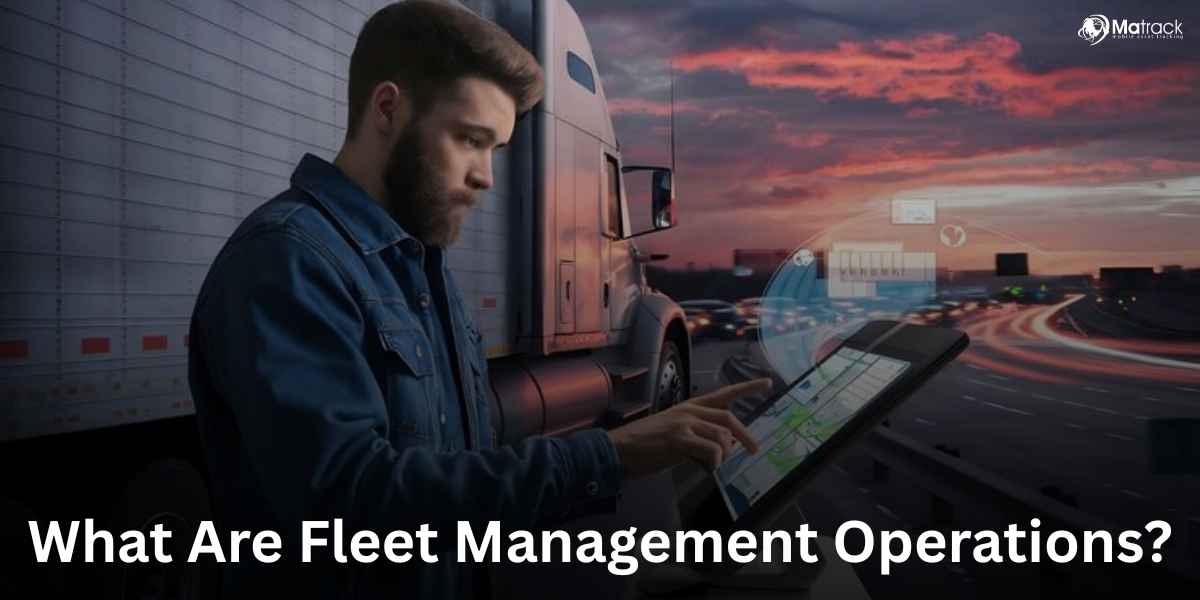
Fleet management operations are the daily activities involved in managing commercial vehicles, drivers, routes, and transport-related workflows. Businesses use fleet management operations to keep movement organized, costs controlled, and service performance consistent.
Maintenance scheduling, fuel monitoring, dispatch planning, compliance tracking, and driver supervision make up fleet management operations. A connected workflow across those activities helps managers monitor vehicles, reduce downtime, and improve operational visibility.
Logistics, delivery, construction, and field service companies rely on fleet management operations to keep vehicles productive across daily assignments. Real-world workflow comes next to show how planning, monitoring, and execution connect across fleet activity.
How Do Fleet Management Operations Work?
Fleet management operations work by connecting vehicle planning, field execution, and performance tracking into one daily system.
- Planning routes and assignments: Managers decide which driver and vehicle should handle each job based on schedule, location, and workload.
- Dispatching daily tasks: Instructions move from the fleet office to drivers so deliveries, service calls, or transport runs stay organized.
- Tracking vehicle movement: GPS systems show where vehicles are, how trips are progressing, and whether routes stay on course.
- Monitoring driver activity: Driving data helps managers review speeding, idling, harsh braking, and other behavior linked to safety and fuel use.
- Managing fuel usage: Fuel reports reveal waste, inefficient driving patterns, and operating costs across the fleet.
- Scheduling maintenance: Service reminders and inspection records help prevent breakdowns and keep vehicles available for work.
- Handling compliance requirements: Logs, inspections, and vehicle records support regulatory compliance and reduce operational risk.
- Reviewing performance data: Dashboards and reports help businesses measure uptime, utilization, costs, and driver performance for future decisions.
What Activities Are Included in Fleet Management Operations?
Daily fleet work covers several operational areas that keep vehicles active, drivers managed, and schedules under control.
Vehicle Maintenance Management
Vehicle maintenance management includes inspections, servicing, repairs, and replacement planning. Regular attention to vehicle condition helps reduce breakdowns and keeps fleet availability stable.
Fuel Management
Fuel management tracks consumption across trips, vehicles, and drivers. Fuel data helps identify waste linked to idling, route inefficiency, and driving habits.
Driver Management
Driver management covers supervision, performance review, training, and safety monitoring. Fleet managers use it to track on-road behavior and maintain accountability across daily operations.
Dispatch and Scheduling
Dispatch and scheduling assign the right driver and vehicle to the right job. Organized scheduling supports timely service and helps avoid gaps in workload distribution.
Route Optimization
Route optimization focuses on selecting efficient travel paths for deliveries, service calls, or transport runs. Reduced mileage and fewer delays support lower fuel use and more reliable trip completion.
Compliance Management
Compliance management covers driver logs, inspection records, licensing, and other regulatory requirements. Accurate documentation helps fleets stay aligned with legal and safety standards.
What Technologies Support Fleet Management Operations?
Modern fleet work depends on digital tools that track vehicles, collect performance data, and support operational decisions.
GPS Tracking Systems
GPS tracking systems provide real-time vehicle location and trip visibility. Fleet managers use location data to monitor routes, delays, and unauthorized movement.
Telematics Systems
Telematics systems collect data such as speed, fuel usage, engine status, and driver behavior. Combined data helps identify patterns across performance, safety, and vehicle usage.
Fleet Management Software
Fleet management software organizes data into dashboards, reports, and alerts. Centralized systems help managers track operations, assign tasks, and review performance in one place.
Electronic Logging Devices (ELDs)
Electronic logging devices record driving hours and support regulatory compliance. Digital logs reduce manual entry and keep records consistent across operations.
Fleet Dash Cams
Fleet dash cams record road activity, driver behavior, and incident footage during trips. Video data helps with safety reviews, dispute resolution, and driver coaching.
Mobile Apps and Alerts
Mobile apps allow access to fleet data without relying on office systems. Alerts notify managers about route deviations, maintenance needs, or driver activity.
What Are the Benefits and Challenges of Fleet Management Operations?
Well-structured fleet systems improve efficiency, visibility, and cost control, but they also come with operational and technical limitations.
| Benefits | Challenges |
| Reduces fuel expenses, maintenance costs, and unnecessary vehicle usage through better tracking and planning. | Initial setup costs for software, devices, and system integration can be high. |
| Improves route planning, dispatch accuracy, and vehicle utilization across daily operations. | Requires continuous monitoring and coordination to maintain efficiency. |
| Helps track driving behavior and reduce risks such as speeding, harsh braking, and fatigue. | Driver resistance to monitoring systems and privacy concerns may arise. |
| Provides live tracking of vehicles, routes, and job progress for better decision-making. | Dependence on technology can create issues if systems fail or lose connectivity. |
| Keeps records organized and supports adherence to regulations and safety standards. | Managing changing regulations and maintaining accurate data can be complex. |
| Enables performance analysis through reports, trends, and operational insights. | Large volumes of data require proper interpretation and skilled handling. |
| Supports business growth by managing more vehicles without losing control. | Scaling operations increases system complexity and management effort. |
How Are Common Fleet Management Challenges Handled?
Common fleet challenges are handled through planning, tracking systems, and operational controls that reduce disruption across daily work.
Fuel Price Volatility
Rising fuel costs affect route profitability and overall fleet spending. Route optimization, fuel card tracking, and behavior monitoring help reduce waste and keep consumption under control.
Driver Shortages
Limited driver availability can disrupt schedules and reduce service capacity. Hiring support, retention strategies, and performance-based training help maintain workforce stability and improve coverage.
Maintenance Delays
Late servicing can take vehicles off the road and interrupt planned assignments. Automated service schedules, predictive diagnostics, and faster parts coordination help keep vehicles available.
Regulatory Pressure
Compliance requirements create pressure around inspections, logs, and legal documentation. Software-based tracking helps maintain accurate records and lowers the risk of violations or audit issues.
Data Overload
Large volumes of fleet data can make decision-making harder instead of faster. Filtered dashboards and focused reporting help teams concentrate on the metrics that matter most.
How Does Matrack Support Fleet Operations?
Matrack provides live fleet visibility by showing vehicle location, route movement, and trip status in real time. Managers use this data to track progress, respond to delays, and maintain control over daily operations.
Compliance management becomes more organized through automated logs, inspection tracking, and ELD integration within one system. Digital records reduce manual work and help maintain accurate documentation for audits and regulatory checks.
Fuel usage and maintenance activity are monitored through alerts, reports, and performance insights. Early visibility into issues like idling or delayed servicing allows quicker action and helps maintain consistent fleet performance.