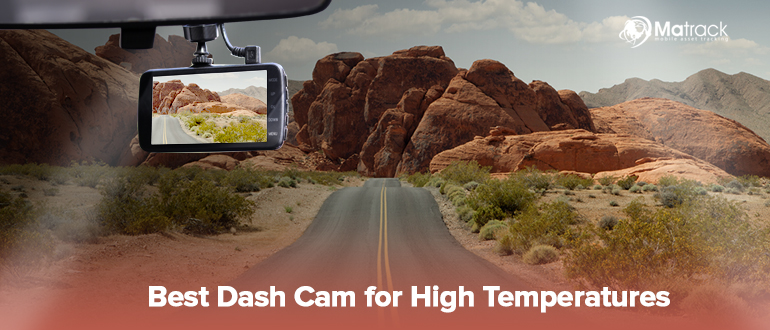

Matrack AI Dashcam M4000 gives small fleets and owner-operators 1080p road-facing video, infrared driver monitoring, DMS/ADAS, and 4G connectivity in a commercial video-safety setup. Motive DC-54 addresses a different priority, with a published operating specification of -40°C to 85°C and storage limits of -40°C to 115°C.
2026 is trending among the hottest years on record globally, following the extreme heat of 2024 and 2025. When outside temperatures reach 35°C (95°F), dashboard surfaces can climb to roughly 69°C to 82°C (157°F to 180°F) in less than an hour. Those dashboard readings do not represent the temperature inside a dashcam, but they show why outdoor air temperature alone does not describe the heat around windshield-mounted equipment.
Published operating limits provide the first thermal check, while storage limits and thermal cutoff behavior describe different conditions. Parking duty cycle and mounting location affect heat exposure; camera coverage, driver-safety functions, and remote video access determine whether the hardware fits the fleet’s working requirements.
Our Top Choices: Dash Cams for High Temperatures
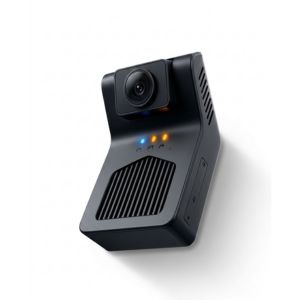
Matrack AI Dashcam M4000- Best For: Small fleets and owner-operators
- Cost: $99 hardware + $19.95/vehicle/month
- Operating Temperature: -20°C to 65°C*
- Storage Temperature: -30°C to 85°C*
- Camera Setup: Road-facing + infrared driver-facing
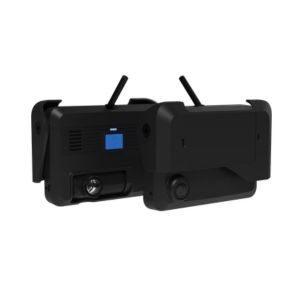
Samsara CM34- Best For: Cloud-connected fleet safety
- Cost: Quote required
- Operating Temperature: -40°C to 85°C**
- Storage Temperature: Not published in reviewed documentation
- Camera Setup: Dual-facing AI
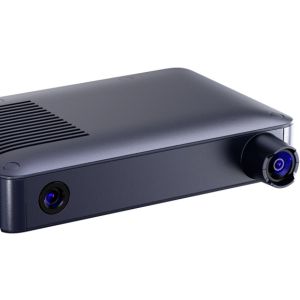
Motive DC-54- Best For: Fleets with severe heat exposure
- Cost: Quote required
- Operating Temperature: -40°C to 85°C
- Storage Temperature: -40°C to 115°C
- Camera Setup: Dual-facing 1080p
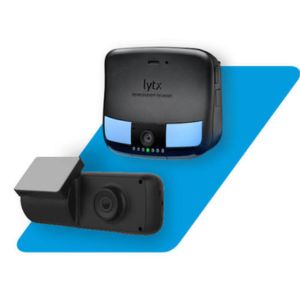
Lytx DriveCam SF400- Best For: Driver coaching
- Cost: Quote required for standard direct sales
- Operating Temperature: -40°F to 185°F
- Storage Temperature: Not published in reviewed documentation
- Camera Setup: Driver-safety camera with infrared illumination
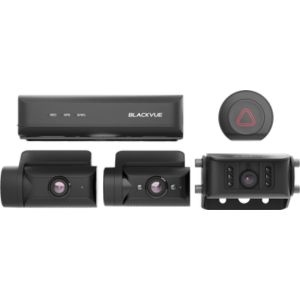
BlackVue DR770X Box-3CH DMS Truck Pro- Best For: Multi-camera truck coverage
- Cost: $599.99 hardware
- Operating Temperature: -20°C to 70°C
- Storage Temperature: -20°C to 80°C
- Camera Setup: Front + DMS + external truck/rear
How We Tested Dash Cams For High Heat Environments?
We started with official product pages, datasheets, and brochures, then pulled the published operating limits for each model. Storage ratings and thermal cutoffs stayed in their own categories, so a higher non-operating number never became part of the operating range.
Next came a practical check of how each option would work in a commercial fleet. We looked at lens setup, driver-facing safety features, parked or engine-off video, remote access, and any gateway or vendor-platform dependency. Those details gave the temperature specs real-world context without turning the review into a feature checklist.
Cost was handled on its own, pairing public hardware prices with any subscription fees or contract terms that came with them.
What Are The Best Dash Cams for High Temperatures?
Hot vehicle interiors can put serious stress on camera hardware, especially when trucks and vans sit in the sun for hours. Temperature tolerance matters, but the right dash cam still has to fit the way an operation handles safety, footage, drivers, and everyday vehicle management.
1. Matrack AI Dashcam M4000 — Best for Small Fleets
Heat is only part of the challenge for a lean operation; the camera still needs to be manageable without a dedicated safety staff. The Matrack AI Dashcam M4000 has a -20°C to 65°C operating range and can withstand storage temperatures from -30°C to 85°C. With 4G LTE and GPS, managers can check live footage, pull incident clips, and see where a vehicle was when something happened without going back to the truck or van.
Dual-facing 1080p cameras watch the road and cabin, while night vision keeps the interior visible after dark. DMS and ADAS flag concerns such as fatigue, distraction, and unsafe following distance, directing attention to the driving moments that may need a closer look rather than hours of routine recordings.
There is room to build on the basic two-camera configuration, too. As many as five cameras can be added for a 360-degree view around the vehicle, and optional ELD integration can bring electronic logging and compliance tools into the same system. Owner-operators and small fleet teams can start with the functions they need today, then add more viewpoints or compliance features as the business changes.
Pros and Cons
| Pros | Cons |
|---|---|
| ✅ AI alerts work without cellular service. | ❌ Hardware warranty lasts only one year. |
| ✅ Hardwire or 12V power supports retrofits. | ❌ Road lens covers only 105 degrees. |
| ✅ Large local storage extends video history. |
Features
- Onboard DMS
- Onboard ADAS
- Impact Auto-Clips
- Severity Event Queue
- 4G Live Streaming
- Integrated GPS
- Sensor Input Ports
2. Samsara CM34 — Best for Cloud-Connected Safety
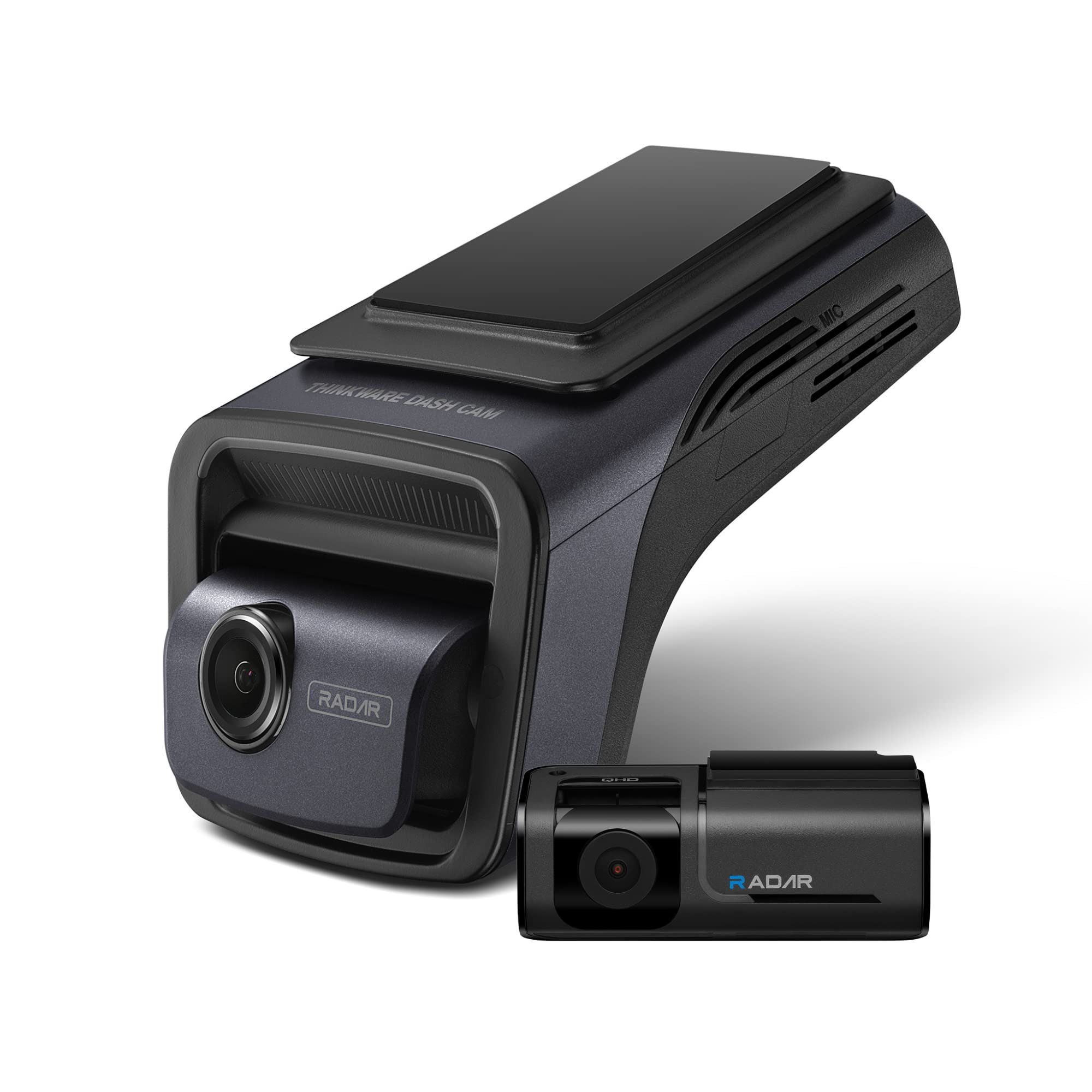
Thinkware U3000 is the best dash cam for handling extreme Florida heat because it kept recording consistently even when the car interior felt scorching. In our tests, it stayed stable through long drives and parked hours under direct sunlight without showing signs of overheating.
Video quality remained sharp at 4K, and the STARVIS 2 sensor helped capture details clearly in both bright daylight and low light conditions. Parking mode worked smoothly, and the radar detection picked up movement around the vehicle with accuracy.
The main issue we noticed was lag when trying to connect it to the phone app, which at times made access to footage slower than expected. Despite this, the U3000 proved dependable for anyone needing reliable performance in hot weather.
Pros and Cons
| Pros | Cons |
|---|---|
| ✅ Handles 85°C continuous operating temperatures. | ❌ Driver camera starts at 720p resolution. |
| ✅ Single gateway cable simplifies installation. | ❌ Camera operation depends on Vehicle Gateway. |
| ✅ Multiple driver assignment methods are supported. |
Features
- Safety Inbox
- Camera ID
- Identity Blurring
- Virtual Coach
- Parking Mode
- Manual Event Capture
3. Motive DC-54 — Best for Extreme Heat
For vehicles that spend long periods parked in intense heat, the DC-54’s storage limit deserves particular attention. Motive specifies operation from -40°F to 185°F and storage from -40°F to 239°F.
Both built-in cameras record in 1080p, and infrared illumination helps capture the cabin in low light. AI detections and driver alerts can feed into Safety Hub on eligible subscriptions, giving managers a place to review incidents and follow up on risky behavior. LTE service comes through the Motive Vehicle Gateway, which connects the camera with the wider fleet account.
A five-year warranty adds longer-term protection for the hardware, while AI Omnicam can bring in extra viewpoints when road-and-driver recording is not enough. Motive introduced the newer DC-64 AI Dashcam Plus in 2026, so a new order should clearly identify which camera generation is being supplied.
Pros and Cons
| Pros | Cons |
|---|---|
| ✅ Operating range reaches 185°F maximum. | ❌ Vehicle Gateway remains separate required hardware. |
| ✅ Storage rating reaches 239°F maximum. | ❌ Road camera lacks infrared illumination. |
| ✅ Five-year warranty extends hardware coverage. |
Features
- Dual 1080p Video
- Quick Capture
- Privacy Mode
- Engine-Off Recording
- Camera Health
- 180° Cabin View
- 150° Road View
- Fatigue Detection
4. Lytx DriveCam — Best for Driver Coaching
Lytx DriveCam centers its safety process on what happens after risky behavior is captured. MV+AI can identify concerns such as handheld-device use, missing seatbelts, smoking, and inattentive driving, then bring the related footage forward for review.
Inside the SF400, dual-facing 1080p cameras work with infrared cabin recording and in-cab alerts. Driver identification and ECM connectivity help tie an incident to the right person and vehicle, while the recorder can hold up to 400 hours of continuous footage. Its operating range spans -40°F to 185°F, giving the hardware a defined temperature window for demanding environments.
The coaching tools carry the process further. Drivers can review selected incidents through self-coaching, and Coach Assist helps managers prepare focused conversations around flagged behavior.
Rather than ending with a clip in an inbox, the workflow gives safety teams a repeatable way to turn recorded behavior into feedback and follow-up.
Pros and Cons
| Pros | Cons |
|---|---|
| ✅ Withstands operating heat through 185°F. | ❌ Limited warranty runs only two years. |
| ✅ Continuous recording reaches 400 hours. | ❌ Exterior horizontal view spans 96 degrees. |
| ✅ Four auxiliary cameras expand exterior coverage. |
Features
- MV+AI Triggers
- Driver Badge ID
- ECM Connectivity
- Self-Coaching Workflow
- Coach Assist
5. BlackVue DR770X Box-3CH DMS — Best for Multi-Camera Truck Coverage
Viofo A229 Pro 2CH handled Texas heat better than most dual dash cams we tested. Even after sitting in a truck under direct sun for hours, both the front and rear cameras powered on immediately and recorded at full resolution without issues.
The 4K front and 2K rear footage looked crisp, and HDR processing made a clear difference in balancing bright skies with shaded road signs. GPS logging was accurate on long highway drives, and voice control helped operate it hands-free without breaking focus on the road.
Where it fell short was WiFi transfers. Pulling large 4K files to a phone often took longer than expected, which made quick sharing less convenient during testing
Pros and Cons
| Pros | Cons |
|---|---|
| ✅ Runs at temperatures through 158°F. | ❌ LTE connectivity requires separate hardware module. |
| ✅ Thermal cutoff protects parked hardware. | ❌ Distraction detection requires DMS calibration. |
| ✅ Waterproof rear camera suits commercial trucks. |
Features
- Three-Channel Recording
- 60fps Front Video
- 512GB microSD
- Native Parking Mode
- Event File Protection
- Wireless Manual Button
- Smart Battery Protection
- Cloud Remote Playback
- SD Failure Alerts
Operating Temperature vs. Storage Temperature vs. Thermal Cutoff
These three specs cover different stages of heat exposure.
Specification | Meaning | How to Read It |
Operating Temperature | Rated range during active use and recording. | This number sets the main heat boundary for normal operation. |
Storage Temperature | Heat tolerance while the device is powered down. | A higher storage ceiling does not increase the recording limit. |
Thermal Cutoff | Protective threshold that can trigger shutdown or reduced operation. | Treat it as a safeguard above the normal range, not extra operating capacity. |
How Hot Can a Dash Cam Get Inside a Parked Vehicle?
A dash cam inside a parked vehicle can be exposed to much more heat than the outdoor temperature suggests. NHTSA reports that a vehicle interior can rise about 20°F in just 10 minutes, which is why a windshield-mounted camera may face severe heat even on a day that does not seem extreme.
A Stanford observational study followed parked cars for 60 minutes on clear sunny days with ambient temperatures between 72°F and 96°F. Interior temperatures climbed substantially across that range. The study did not measure dash cams directly, but it shows how quickly heat builds inside a closed vehicle once airflow and air conditioning stop.
The exact exposure depends on cab design, glass area, direct sun, ventilation, and mounting position. A camera running during an air-conditioned trip faces far less heat than hardware left active after the engine is shut off.
How to Choose a Dash Cam for High-Temperature Fleet Operations
The published heat limit sets the first boundary. Parked use, camera coverage, footage access, and installation narrow the remaining options.
Heat Limit
The operating range sets the main thermal boundary. Compare it with the hottest conditions expected around the camera, especially near the windshield. Storage ratings and cutoff thresholds describe different limits and do not extend the operating ceiling.
Parked Recording
Engine-off use exposes the hardware to rising cabin heat after climate control stops. Fleets that need video during those periods should account for parking mode, power demand, and any documented thermal protection.
Camera Coverage
The right camera layout depends on the incidents the team needs to review. Road-facing video captures the scene ahead, while driver-facing footage adds context around in-cab behavior. External rear or multi-camera systems make sense where those extra angles have a defined safety, claims, or maneuvering purpose.
Video Access
Local storage works for fleets that retrieve footage from the vehicle. Remote review brings cellular service, gateways, cloud access, or a vendor platform into the picture, which can affect installation and monthly service costs.
Installation Setup
Windshield proximity increases direct sun exposure, while airflow and cab layout shape conditions around the hardware. Power source, cable routing, clearance, and compatible recording media should match the vehicle and camera requirements.
Final Checklist for Hot-Weather Fleet Dash Cams
Before placing an order, compare the shortlist against your vehicles, heat exposure, and day-to-day safety needs. This final pass helps catch details that a spec sheet alone may not make obvious.
- Operating range accounts for expected in-cab temperatures.
- Storage rating stays separate from the active-use ceiling.
- Thermal cutoff behavior is documented where available.
- Engine-off recording aligns with the intended duty cycle.
- Camera angles capture the events your team needs to investigate.
- Driver-facing functions have a defined role in the safety program.
- Remote footage reaches the people responsible for incident review.
- Cellular, gateway, or cloud dependencies are accounted for.
- Power supply and cabling work with the vehicle configuration.
- Mounting position minimizes unnecessary direct-sun exposure where possible.
- Recording media follows manufacturer requirements.
- Hardware price, service fees, and contract terms are considered together.
Final Verdict
Published heat limits only matter if they cover the conditions inside the cab, including periods after shutdown when parked recording continues. Mounting position and parked duty cycle determine how demanding that exposure becomes.
Camera views, footage access, and installation requirements separate otherwise similar options. Final selection should favor hardware that stays within its documented operating range while meeting the fleet’s recording and retrieval needs.
Andrew Brooks
Related Resources
More articles4 Best Dash Cams With Night Vision for Truckers & Commercial Fleets in 2026
The best night vision dash cams for truckers in 2026 include Matrack M4000 for owner-operators...
5 Best 360-Degree Dash Cams in 2026
The best 360-degree dash cams in 2026 include rotating car cameras, panoramic models, and multi-camera...
How to Install a Dash Cam: A Step-by-Step Guide
Install a dash cam by mounting it legally, routing wires safely, selecting the correct power...
Tell us a bit about your fleet.
Share a few details and our team will get back to you within one business day.