
What Is Short-Haul Trucking?
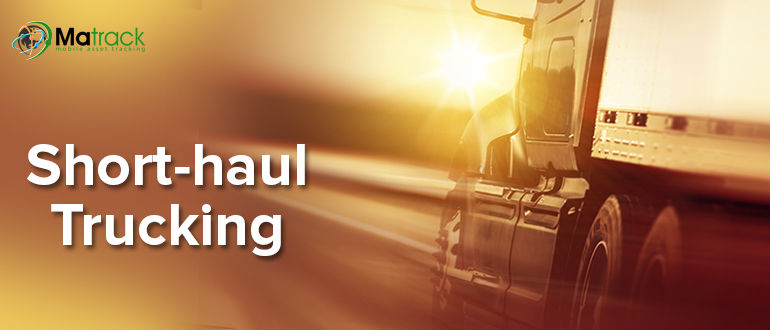
Short-haul trucking is freight transport within a limited distance range, typically within the same state or nearby regions. Routes are planned for quick deliveries and good return trips within short time frames, ensuring a faster turnaround.
Operations focus on speed and route optimization to handle frequent deliveries and tight schedules. Approach helps maintain consistent movement of goods across regional supply chains.
Widely used in industries that require fast and reliable delivery services. Structured routing and shorter distances improve productivity, reduce transit time, and support continuous operational flow.
What are the rules for short-haul trucking?
Short-haul trucking requires adherence to specific operational and safety regulations to maintain and comply. Clear understanding of these rules helps prevent violations and supports smooth day-to-day operations.
Driving Hours and Limits
Drivers follow regulated driving hours and duty limits to prevent fatigue and maintain road safety. Compliance with these limits ensures legal operation, reduces accident risks, and supports consistent performance during daily routes.
Distance Restrictions
Operations must remain within defined distance limits to qualify under short-haul exemptions and simplified compliance requirements. Staying within these limits helps maintain operations and ensures adherence to regulatory standards.
Record-Keeping Requirements
Maintain accurate records of duty status and operational activity where required by regulations. Proper documentation improves inspection readiness, supports compliance, and reduces the risk of penalties.
Eligibility for Exemptions
Drivers may qualify for exemptions from standard long-haul logging requirements if specific conditions are met. Meeting these criteria simplifies operations, reduces administrative workload.
Where Do Short-Haul Routes Usually Operate?
Short-haul routes typically operate within limited geographic areas where deliveries or transport can be completed within a short time frame. Plays a key role in maintaining supply chain continuity, especially in high-demand and densely populated regions.
- Urban Delivery Areas: Short-haul routes are commonly found in urban areas where businesses require frequent and fast deliveries within city limits. Routes support retail stores, restaurants, and e-commerce operations, ensuring timely movement of goods across short distances.
- Regional Distribution Zones: Connect nearby cities, towns, and industrial areas within a specific radius. Used to move goods between warehouses, distribution centers, and local hubs.
- Industrial and Manufacturing Hubs: Short-haul operations are widely used in industrial zones where raw materials and finished goods need to be transported between factories and storage facilities.
- Port and Terminal Areas: Ports, rail terminals, and logistics hubs rely heavily on short-haul routes to move cargo between entry points and nearby warehouses or distribution centers.
- Suburban and Local Routes: Short-haul routes also operate in suburban and surrounding local areas where deliveries are made to residential zones and small businesses.
What Is the Difference Between Short-Haul and Long-Haul Trucking?
Short-haul and long-haul trucking serve different transportation needs based on distance, route structure, and operational requirements. Understanding the differences helps businesses choose the most suitable freight solution for their logistics needs.
| Factor | Short-Haul Trucking | Long-Haul Trucking |
| Distance | Operates within a limited regional radius | Covers long distances across states or regions |
| Route Duration | Usually completed within a day | May require multiple days |
| Driver Home Time | Frequent returns home | Extended periods away from home |
| Fuel Costs | Lower due to shorter routes | Higher because of longer travel distances |
| Delivery Type | Local and regional freight movement | Interstate and cross-country transportation |
| Route Planning | Focuses on frequent deliveries and quick turnaround | Focuses on long-distance efficiency and trip optimization |
What Are the Driver Requirements for Short-Haul Trucking?
Driver requirements play a key role in ensuring safe and short-haul trucking operations. Qualifications, skills, and compliance help maintain consistency and reduce operational risks. Meeting these requirements improves performance, safety, and reliability across daily routes.
Valid CDL License
Drivers must hold a valid commercial driving license based on vehicle type and operational requirements. Proper licensing ensures legal operation, compliance with regulations, and eligibility to handle commercial vehicles safely.
Driving Experience
Experience in handling commercial vehicles improves driving safety and decision-making on the road. Skilled drivers can manage traffic conditions, loading challenges, and route variations more effectively.
Knowledge of Local Routes
Understanding of local roads, traffic patterns, and delivery zones improves routes and reduces delays. Strong route knowledge supports timely deliveries and better operational planning.
Compliance with Regulations
Drivers must follow hours-of-service rules, safety standards, and operational guidelines at all times. Compliance ensures legal operations, reduces risks, and supports consistent performance.
Physical Fitness
Drivers maintain good physical health to manage long driving hours and loading or unloading tasks. Physical fitness supports endurance, focus, and overall job performance.
What are the benefits of short-haul trucking?
Short-haul trucking offers operational advantages that improve cost control, and driver satisfaction. Benefits support faster logistics performance and better resource management. Understanding these advantages helps businesses optimize short-distance transport operations.
- Faster Delivery Turnaround: Short-haul operations enable quicker delivery cycles with same-day or rapid return trips. Faster turnaround improves service and customer satisfaction, quick deliveries also help businesses respond faster to market and customer demands.
- Reduced Travel Time: Limited-distance routes reduce overall travel time and driver fatigue. Shorter trips allow better scheduling and increased trip frequency; travel management also improves fleet utilization and productivity.
- Lower Fuel and Operational Costs: Short distances reduce fuel consumption and maintenance expenses; lower operating costs improve profitability, and reduced vehicle wear also helps extend fleet lifespan and minimize repair needs.
- Improved Route Control: Defined routes allow better planning, tracking, and operational control. Better route visibility also helps improve delivery accuracy and time management.
- Better Work-Life Balance for Drivers: More frequent due to shorter routes and daily trips, improved balance supports driver satisfaction and retention. Higher driver satisfaction also contributes to better performance and reduced turnover rates.
What are the tips for Successful Short-Haul Trucking Operations?
Effective short-haul trucking requires careful planning, efficient route management, and strong compliance practices. Following these tips can help improve productivity and reduce operational challenges.
Optimize Delivery Routes
Use route planning tools to identify the most efficient paths and avoid unnecessary delays. Optimized routes reduce fuel consumption, improve delivery times, and increase the number of trips completed each day.
Monitor Driver Hours
Track driver schedules and duty hours to maintain compliance with Hours of Service regulations. Proper monitoring helps prevent fatigue and supports safe operations.
Reduce Vehicle Downtime
Regular vehicle inspections and preventive maintenance help identify issues before they become major problems. Well-maintained vehicles improve reliability and reduce unexpected breakdowns.
Use Fleet Tracking Technology
GPS tracking and fleet management tools provide real-time visibility into vehicle locations, driver activity, and route performance. Better visibility helps improve operational control and delivery efficiency.
Plan for Traffic and Peak Hours
Understanding local traffic patterns helps avoid congestion and improve delivery accuracy. Planning around peak traffic periods can reduce delays and improve customer satisfaction.
Final Thoughts
Short-haul trucking plays an essential role in supporting regional logistics, local deliveries, and fast transportation networks. Helps businesses maintain supply chain operations by ensuring timely movement of goods within shorter distances.
Understanding route management, driver requirements, and operational challenges is important for maintaining safety and short-haul trucking. Proper scheduling, compliance with driving regulations, and regular vehicle maintenance help reduce operational risks and improve reliability.
Businesses that focus on safety, fuel, and optimized fleet management can improve productivity while minimizing downtime, short-haul operations ultimately strengthen logistics performance and support sustainable business success.
Frequently Asked Questions
What industries rely heavily on short-haul trucking?
Industries such as retail, e-commerce, manufacturing, food distribution, construction, and healthcare rely heavily on short-haul trucking for fast and frequent regional deliveries.
How is short-haul trucking different from long-haul trucking?
Short-haul trucking focuses on shorter regional routes with frequent returns, while long-haul trucking involves transporting freight across long distances and multiple states over extended periods.
Why is route optimization important in short-haul trucking?
Route optimization helps reduce fuel costs, avoid traffic delays, improve delivery timing, and increase the number of completed trips within a working day.
Does short-haul trucking require electronic logging devices (ELDs)?
Some short-haul drivers may qualify for ELD exemptions if they meet specific Hours of Service conditions, but compliance requirements depend on operational limits and regulations.
What challenges are common in short-haul trucking operations?
Traffic congestion, tight delivery schedules, loading delays, driver shortages, fuel costs, and route management are common operational challenges in short-haul trucking.