

What Is a Freight Truck?
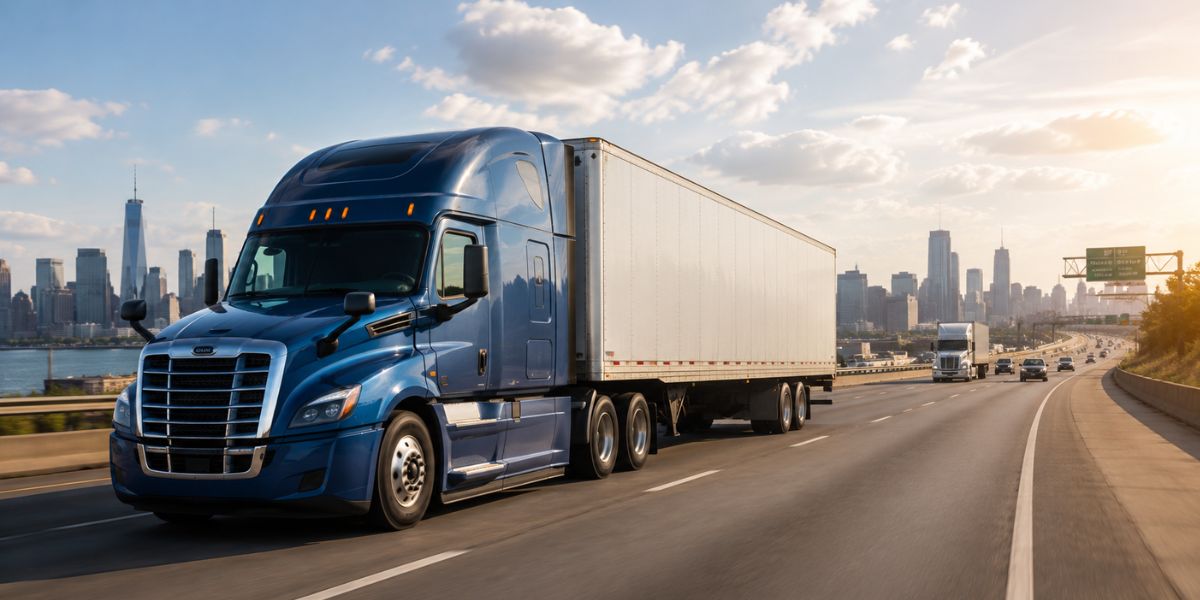
A freight truck is a heavy-duty commercial vehicle built to move goods, raw materials, equipment, and cargo across short-haul or long-haul routes. Logistics companies use freight trucks for road-based transportation where load capacity, cargo protection, and delivery reliability matter.
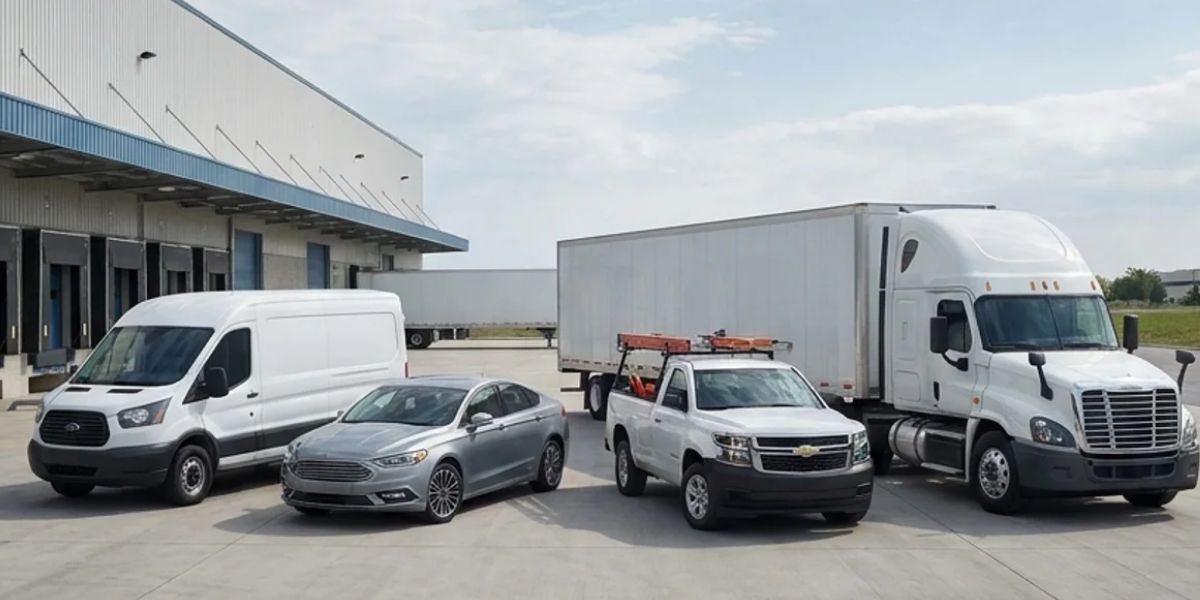
Different configurations support various shipment needs, including tractor units, enclosed cargo bodies, detachable trailers, refrigerated units, flatbed platforms, and tanker systems. Common freight loads include palletized goods, bulk materials, temperature-sensitive products, liquids, machinery, and oversized cargo.
Supply chains depend on freight trucks to connect manufacturers, warehouses, ports, distribution centers, retailers, and end customers. Commercial shipping, inventory movement, last-mile delivery, and long-distance freight operations rely on efficient truck transportation.
What Are the Main Types of Freight Trucks?
Freight trucks are categorized based on trailer structure, cargo requirements, load dimensions, and transportation conditions.
1. Flatbed Freight Truck
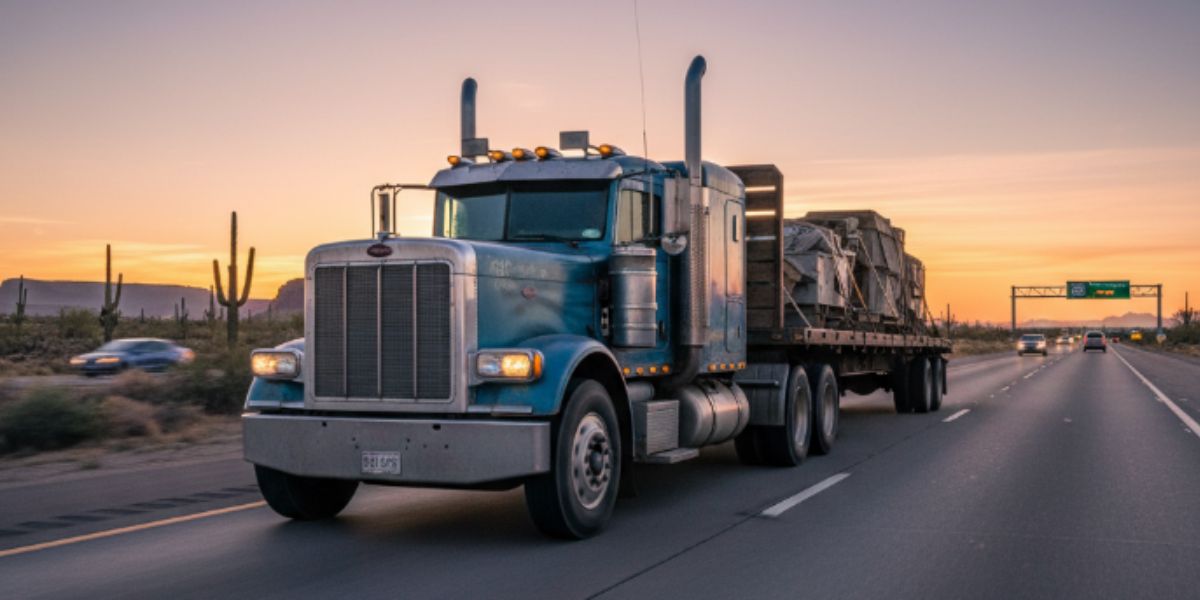
Flatbed freight trucks use an open-deck trailer built for oversized, heavy, or irregular cargo that cannot be enclosed. Steel beams, construction materials, pipes, and industrial equipment are commonly transported using this design.
Loading happens from multiple angles using cranes or forklifts, which supports flexible handling in construction and manufacturing sites. Securement systems such as chains, straps, and tarps keep freight stable during highway movement.
2. Step Deck Freight Truck
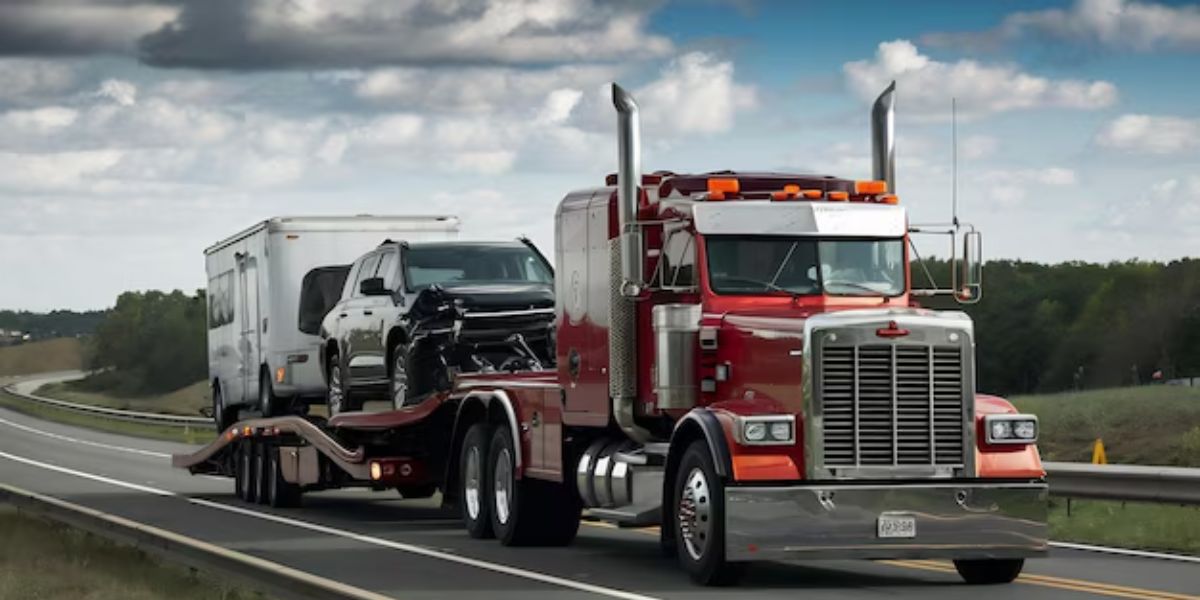
Step deck freight truck features a two-level trailer that lowers the main deck to accommodate taller cargo. Equipment like tractors, excavators, and industrial machinery often require this configuration for height compliance.
Lower deck positioning allows transport of oversized freight without exceeding legal road limits. Logistics planners prefer step decks when flatbed height restrictions become a constraint.
3. Dry Van Freight Truck
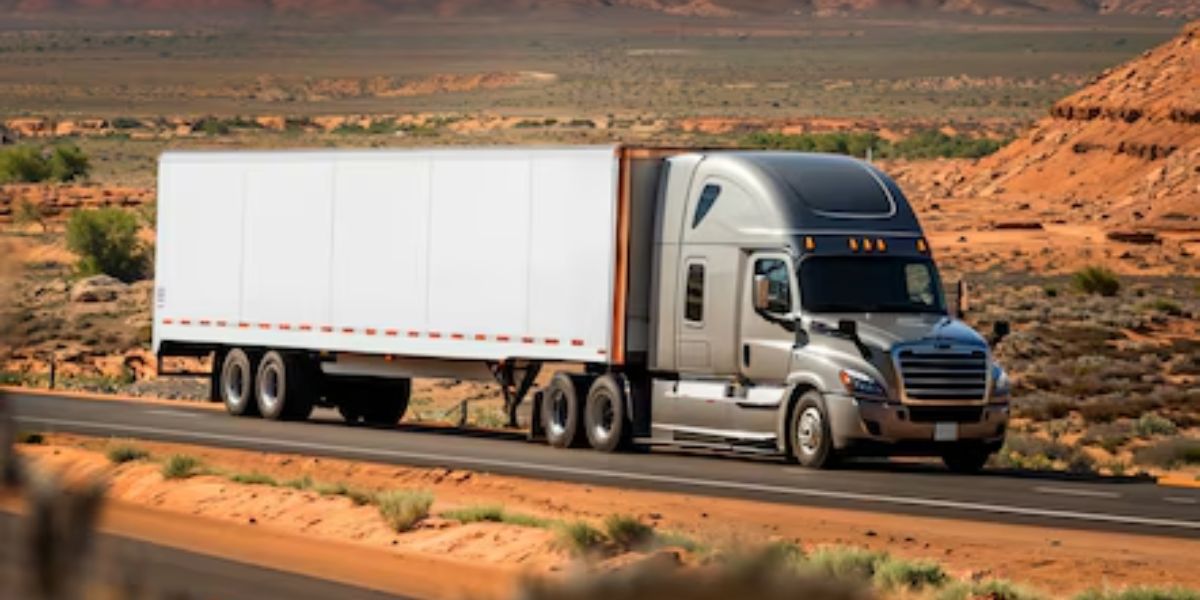
An enclosed dry van freight truck carries general cargo that does not require temperature regulation. Palletized goods, retail products, electronics, and packaged materials move safely within this sealed trailer structure.
Protection from weather, dust, and external damage makes dry vans suitable for long-distance shipping. Freight carriers widely use this type for both full truckload and shared shipment operations.
4. Box Freight Truck
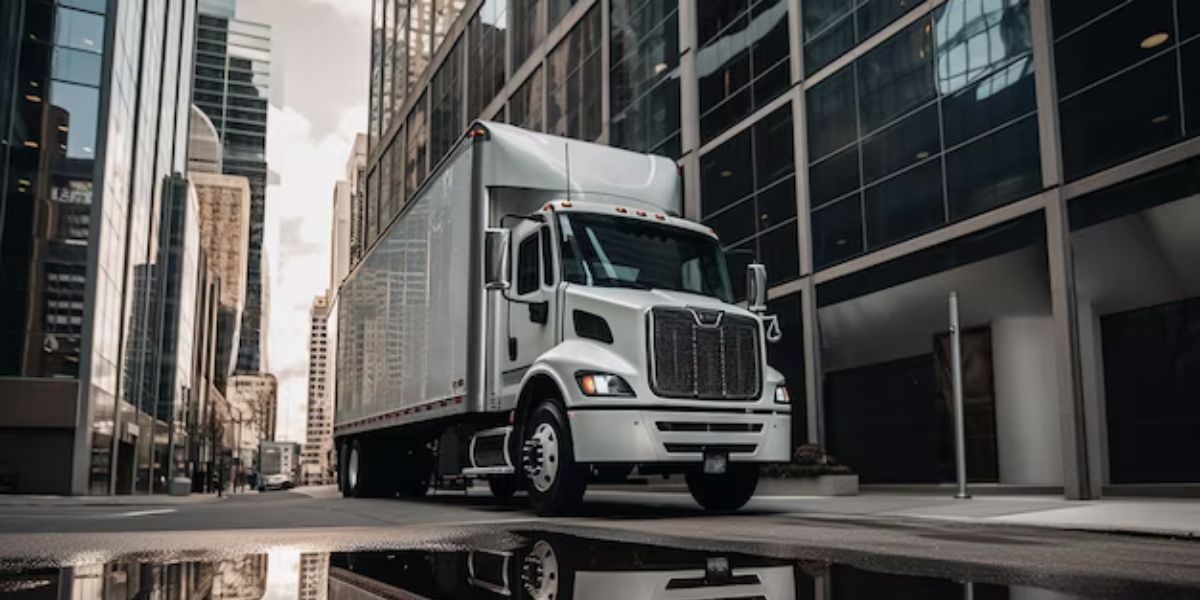
Box freight trucks operate with a fixed cargo body mounted directly onto the vehicle chassis. Urban logistics and delivery networks rely on this design for transporting parcels, appliances, and commercial goods.
Compact dimensions support navigation through city streets, tight delivery zones, and residential areas. Frequent stops and short delivery routes make box trucks ideal for last-mile distribution.
5. Reefer Freight Truck
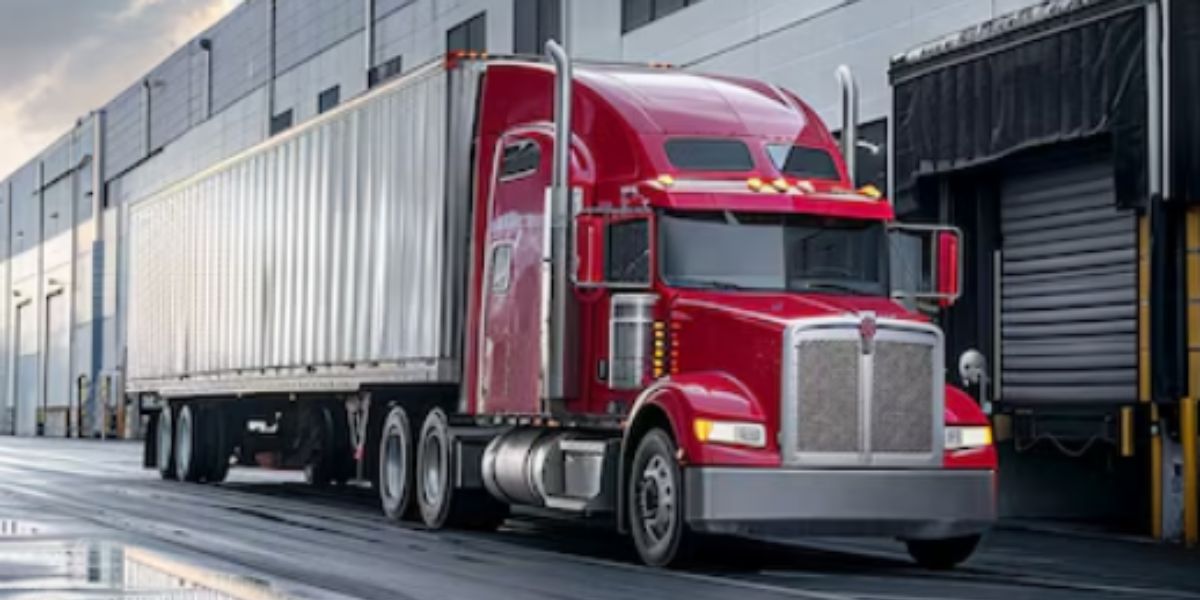
Reefer freight trucks include a refrigeration unit designed for temperature-controlled cargo transport. Perishable goods such as dairy, meat, produce, pharmaceuticals, and flowers depend on stable cooling conditions.
Temperature regulation continues throughout transit to maintain product quality and safety. Cold chain logistics operations rely heavily on reefer trucks for sensitive shipments.
6. Tanker Freight Truck
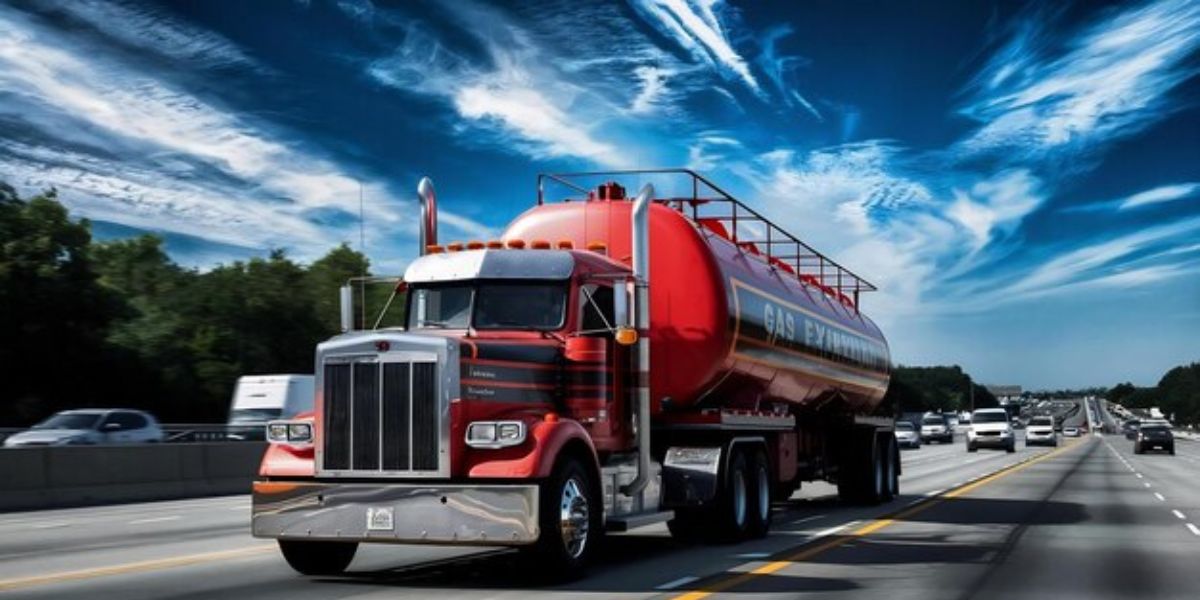
Tanker freight trucks transport liquid, gas, or dry bulk cargo using a sealed cylindrical tank. Fuel, chemicals, milk, water, cement, and grain move through this specialized structure.
Internal tank design helps manage fluid movement and maintain load balance during transport. Hazardous materials may require additional safety standards, driver certification, and regulatory compliance.
7. Semi-Trailer Freight Truck
Semi-trailer freight trucks combine a tractor unit with a detachable trailer for high-capacity freight movement. Long-haul logistics, bulk shipping, and large-scale distribution networks depend on this system.
Interchangeable trailers allow flexibility across cargo types such as dry vans, reefers, flatbeds, and tankers. Freight efficiency improves through scalable load capacity and optimized route planning.
What Do Freight Trucks Usually Haul?
Freight trucks haul commercial goods, raw materials, bulk commodities, and specialized cargo across supply chain networks.
Common shipments include palletized goods, retail inventory, electronics, furniture, clothing, and packaged products transported in dry van and box trucks. Industrial freight such as steel, lumber, pipes, construction materials, and heavy machinery often moves on flatbed and step deck trucks.
Temperature-sensitive cargo includes frozen food, fresh produce, dairy, pharmaceuticals, and chemicals transported in reefer trucks under controlled conditions. Liquid and bulk commodities such as fuel, water, milk, cement, grain, and gases are carried using tanker freight trucks designed for sealed and stable transport.
What Are Real-World Examples of Freight Truck Use?
Various industries rely on different freight truck types to transport goods based on cargo requirements and delivery conditions.
Construction Logistics
Flatbed and step deck trucks transport steel beams, cement, pipes, and heavy machinery to construction sites. Large infrastructure projects depend on these vehicles for handling oversized and high-weight building materials.
Retail Delivery
Dry vans and box trucks deliver packaged goods, electronics, clothing, and store inventory from warehouses to retail outlets and customers. E-commerce operations depend on fast-moving delivery networks for last-mile distribution and order fulfillment.
Food Distribution
Reefer trucks move fresh produce, dairy products, frozen food, and agricultural goods under controlled temperature conditions. Cold chain logistics ensures product quality and prevents spoilage during transportation.
Fuel Transport
Tanker trucks carry fuel, water, chemicals, gases, and other liquid bulk materials using sealed containers. Energy sectors rely on regulated transport systems for safe handling of sensitive cargo.
Manufacturing Supply
Semi-trailer trucks move raw materials, machine parts, and finished goods between factories, warehouses, and distribution centers. Production cycles depend on consistent freight movement to maintain supply chain continuity.
What Is the Difference Between Freight, Cargo, LTL, and FTL?
Freight terminology helps explain what is being transported, how much truck space is needed, and how shipments move through logistics networks.
| Term | Meaning | Trucking Context | Best Used For | Example |
| Freight | Commercial goods transported by truck, rail, ship, or air | Used in paid logistics and supply chain movement | Business shipments, bulk goods | A manufacturer ships 20 pallets of packaged products by truck |
| Cargo | Goods or items being transported | Broader term across road, air, sea, and rail transport | General goods in transit | Boxes loaded inside a truck, aircraft, or shipping container |
| LTL | Less-than-truckload shipments shared by multiple shippers | Trailer space is divided among different shipments | Smaller loads that do not fill a truck | Four pallets from a retailer are combined with other shipments in one truck |
| FTL | Full truckload shipment assigned to one shipper | Entire trailer is dedicated to a single load | Large, urgent, or high-volume freight | One distributor fills an entire trailer with 26 pallets for direct delivery |
How Do You Choose the Right Freight Truck?
Truck selection depends on the freight being moved, route conditions, handling needs, and delivery timeline.
- Cargo Type: Dry vans work for boxed goods and retail inventory, while reefers carry food, medicine, and other temperature-sensitive products.
- Load Volume: Box trucks suit smaller delivery loads, while semi-trailer trucks handle larger freight moving across regional or long-distance routes.
- Weight Limit: Heavy materials such as steel, machinery, and construction equipment need trucks with stronger payload capacity.
- Route Distance: Local deliveries often use box trucks, while longer freight routes usually require semi-trailers for higher efficiency.
- Temperature Need: Perishable products need refrigerated trucks to maintain stable conditions from pickup to delivery.
- Loading Access: Freight loaded by crane, forklift, or side entry often fits better on flatbed or step deck trailers.
How Does Matrack Fleet Management System Help Manage Freight Trucks?
Matrack fleet management system helps freight operations gain full visibility over truck movement, driver performance, fuel usage, and delivery progress. Centralized dashboards allow fleet managers to track multiple vehicles, monitor routes, and manage logistics operations in real time.
Real-time GPS tracking provides accurate location updates, route history, and trip status throughout transportation. Route optimization tools and fuel monitoring features help reduce idle time, lower fuel costs, and improve delivery efficiency across freight networks.
Driver behavior insights highlight speeding, harsh braking, idling, and route deviations to improve safety and cargo handling. Geofencing alerts, maintenance tracking, and compliance tools such as ELD support help reduce downtime, prevent violations, and keep freight operations running smoothly.