

Small carriers often run with limited admin time, fewer back-office staff, and tighter monthly budgets. An ELD that is hard to install, confusing for drivers, or locked behind a long contract can make HOS compliance harder than it needs to be.

Electronic logging devices help record Hours of Service, duty status, mileage, and vehicle movement for regulated commercial vehicles. Reliable logs matter during roadside inspections, audits, and daily dispatch planning, especially when one compliance issue can affect the whole business.

Pricing, setup time, FMCSA compliance, GPS tracking, support, and contract flexibility matter most for smaller operations. Affordable ELD devices with plug-and-play installation and no long-term contracts give small fleets a practical way to stay compliant without adding unnecessary workload.

Our Top Choices For Best Small Fleet ELDs In 2026

  • Cost: $19.95/month
  • Best For: Affordable compliance for small carriers
  • Core Features: DOT inspection mode, violation alerts, live map access, mileage reports
  • Contract / Pricing Fit: No long-term contracts
Jump to Product
  • Cost: $249.95 one-time
  • Best For: Operators avoiding recurring fees
  • Core Features: IFTA fuel records, USB transfer, Bluetooth inspection support, compact hardware
  • Contract / Pricing Fit: One-time hardware cost
Jump to Product
  • Cost: $25/month
  • Best For: Rugged use and short-haul tracking
  • Core Features: Smart Short Haul, fuel tax data, vehicle performance view, cloud dashboard
  • Contract / Pricing Fit: Monthly plan
Jump to Product
  • Cost: $19.50/month
  • Best For: Document Management
  • Core Features: Traffic updates, trip records, route location, mobile log pairing
  • Contract / Pricing Fit: No upfront cost
Jump to Product
  • Cost: $34.99/month
  • Best For: Driver Coaching
  • Core Features: Maintenance checklists, mileage capture, alert notifications, vehicle status view
  • Contract / Pricing Fit: No contract
Jump to Product
  • Cost: $35/month
  • Best For: Simple reporting and driver monitoring
  • Core Features: Behavior reports, HOS review tools, safety insights, cloud analytics
  • Contract / Pricing Fit: Monthly plan
Jump to Product
  • Cost: $100 + $20–$25/month
  • Best For: Mobile-based compliance on a budget
  • Core Features: IFTA reporting, diagnostics feed, geofence alerts, app-first setup
  • Contract / Pricing Fit: Lower hardware need
Jump to Product
  • Cost: $250 one-time
  • Best For: User-Friendly App
  • Core Features: Mobile app access, real-time notices, roadside records, document storage
  • Contract / Pricing Fit: One-time device cost
Jump to Product
  • Cost: $75 one-time
  • Best For: Low-connectivity routes
  • Core Features: Engine diagnostics, offline storage, drive-time capture, inspection access
  • Contract / Pricing Fit: No basic subscription fee
Jump to Product

How Did We Test ELD Devices for Small Business?

We tested ELD devices for small fleets by evaluating installation time, tracking accuracy, driver usability, compliance features, and real-time reporting. Each device was installed in vehicles used for daily fleet operations to measure how effectively it recorded Hours of Service (HOS), GPS locations, engine diagnostics, and driver activity under real driving conditions.

The testing process included route tracking in urban and highway environments to verify location precision and data consistency. We also examined how quickly fleet managers could access reports, receive alerts, and monitor vehicles through desktop and mobile dashboards without technical complications.

Additionally, compared device reliability, customer support responsiveness, integration capabilities, and monthly operating costs to determine long-term value for small fleet businesses. Devices that delivered stable connectivity, accurate compliance reporting, and simple fleet management tools scored higher in our evaluation process.

What Are The Best ELD Devices For Small Fleets In 2026?

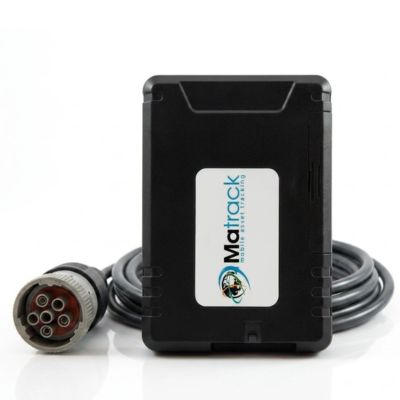
1. Matrack ELD – Top Choice For Small Fleets

Small fleets need an ELD that does not slow drivers down or create extra work for managers. Matrack ELD matched that need in our 2026 testing with quick installation, reliable performance, and steady use across different truck types and routes.

Driver logs stayed accurate, HOS updates appeared instantly, and DVIRs with photo proofs were submitted without errors. Fleet tracking also worked without syncing issues, location delays, or GPS tracking problems during daily use, also option to fleet dash cam combo with ELD..

IFTA reporting, DOT inspection mode, driver scoring and coaching, API and integrations, and responsive customer help added practical value for growing fleets. With a free device, no long-term contracts, and affordable pricing, Matrack gave small fleets a dependable ELD setup without heavy upfront costs.

  • FMCSA-compliant
  • Automatic HOS tracking
  • DOT inspection mode
  • Real-time fleet tracking
  • Easy, quick installation
Pros Cons
✅ Easy installation ❌ Limited advanced features
✅ No contract, month-to-month ❌ Basic customer support options
✅ Lifetime warranty
✅ Real-time tracking
✅ Automatic violation alerts
Pros
✅ Easy installation
✅ No contract, month-to-month
✅ Lifetime warranty
✅ Real-time tracking
✅ Automatic violation alerts
Cons
❌ Limited advanced features
❌ Basic customer support options

2. Garmin eLog - Best ELD Without Monthly Fees

Garmin eLog gives small fleets a straightforward ELD option without monthly fees. The device plugs directly into the vehicle’s diagnostic port and FMCSA-compliant HOS tracking.

Fuel tracking through IFTA helps fleets manage compliance without ongoing costs. Drivers can connect Garmin eLog to the mobile app for log access and daily record checks.

Roadside inspections can be handled through USB or Bluetooth, making log sharing simple during checks. Garmin eLog fits small fleets that need a low-maintenance ELD without hidden fees.

  • FMCSA-compliant
  • No ongoing subscription fees
  • Fuel tracking via IFTA
  • Compact and easy to install
Pros Cons
✅ No ongoing costs ❌ Limited features compared to more advanced systems
✅ Simple setup and use ❌ No support for OBD II ports
✅ Fuel tracking support
✅ Compact and portable
Pros
✅ No ongoing costs
✅ Simple setup and use
✅ Fuel tracking support
✅ Compact and portable
Cons
❌ Limited features compared to more advanced systems
❌ No support for OBD II ports

3. EROAD Ehubo ELD - Best For Short-Haul Tracking

EROAD Ehubo ELD fits short-haul fleets that need dependable compliance tracking without heavy paperwork. HOS logs, fuel tax compliance, and vehicle performance data stay connected through real-time reporting.

Smart Short Haul function helps manage short-haul exemptions with less manual work during local routes. Rugged hardware also assists fleets working through demanding road and delivery conditions.

Cloud-based access gives fleet managers logs, reports, and vehicle status updates from one place. EROAD Ehubo ELD reduces paperwork and keeps short-haul tracking organized for daily fleet use.

  • Short-haul exemption tracking
  • Cloud-based platform
  • Fuel and safety tracking
  • Simple installation
Pros Cons
✅ Smart Short Haul feature ❌ Not as feature-rich as other solutions
✅ Real-time compliance tracking ❌ Customer support limited to business hours
✅ Durable for tough conditions
✅ Cloud-based reporting
Pros
✅ Smart Short Haul feature
✅ Real-time compliance tracking
✅ Durable for tough conditions
✅ Cloud-based reporting
Cons
❌ Not as feature-rich as other solutions
❌ Customer support limited to business hours

BigRoad Dashlink ELD helps fleets keep compliance records organized without adding extra complexity to daily workflows. Drivers can access logs through the BigRoad app, making document handling and record access straightforward.

Driving hours, vehicle status, fuel tracking, GPS data, and traffic updates remain available from one platform. Log records and compliance information stay easy to manage through the connected mobile app.

No upfront cost makes BigRoad Dashlink appealing for fleets looking to control expenses. Easy installation and organized record management give fleet managers a practical way to maintain compliance documentation.

  • Simple setup and installation
  • Real-time GPS and traffic updates
  • Fuel tracking
  • Low cost
Pros Cons
✅ No upfront cost ❌ Limited advanced features
✅ Easy installation ❌ Relies on Bluetooth for full functionality
✅ Fuel tracking and GPS
✅ Real-time traffic updates
Pros
✅ No upfront cost
✅ Easy installation
✅ Fuel tracking and GPS
✅ Real-time traffic updates
Cons
❌ Limited advanced features
❌ Relies on Bluetooth for full functionality

5. GPSTrackit ELD - Best for Driver Coaching

Plug-and-play setup helps fleets begin compliance tracking without a long rollout. Instant alerts give managers useful signals for coaching drivers before unsafe habits or log issues become routine.

HOS tracking, vehicle location, mileage records, maintenance checklists, and inspection help drivers stay accountable on daily routes. Driver coaching features give managers practical context to guide safer driving habits and better compliance discipline.

Flexible monthly payments make the setup cost-friendly for fleets watching expenses. GPSTrackit ELD works best for teams that need compliance tools, driver coaching, and affordable monthly control.

  • FMCSA-compliant
  • Real-time vehicle tracking
  • No contract, flexible payments
  • Maintenance checklists
Pros Cons
✅ No contracts ❌ Limited advanced features
✅ Easy installation ❌ Requires a mobile app for full functionality
✅ Maintenance checklists
✅ Real-time tracking
Pros
✅ No contracts
✅ Easy installation
✅ Maintenance checklists
✅ Real-time tracking
Cons
❌ Limited advanced features
❌ Requires a mobile app for full functionality

6. Teletrac Navman ELD - Best For Simple Reporting and Driver Monitoring

Simple reporting matters most when managers need quick access to logs, violations, and vehicle activity. Teletrac Navman ELD brings HOS management, and driver behavior insights into one reporting setup.

Cloud-based reports help managers review compliance, vehicle performance, and driver activity without sorting through manual records. Driver monitoring tools also make it easier to spot risky habits, missed logs, and route issues.

Teletrac Navman ELD fits fleets that need simple reporting without losing key compliance details. Live visibility, driver logs, violation tracking, and performance reports make it useful for daily fleet monitoring.

  • Real-time HOS and fleet tracking
  • Cloud-based reporting
  • Driver behavior insights
  • Simple and intuitive dashboard
Pros Cons
✅ Real-time tracking ❌ Pricing can vary based on fleet size
✅ Cloud-based platform ❌ More advanced features require additional subscriptions
✅ Easy-to-use dashboard
✅ Driver behavior insights
Pros
✅ Real-time tracking
✅ Cloud-based platform
✅ Easy-to-use dashboard
✅ Driver behavior insights
Cons
❌ Pricing can vary based on fleet size
❌ More advanced features require additional subscriptions

7. GPSTab - Best For Mobile-Based Compliance on a Budget

GPSTab gives small fleets a budget-friendly way to handle ELD compliance through mobile devices already used by drivers. Mobile access removes the need for costly hardware installations across multiple vehicles.

Vehicle data, driver behavior monitoring, and geofencing tools help managers stay updated throughout daily routes. IFTA reporting and vehicle diagnostics also help reduce manual tracking work during compliance reviews.

Phone and tablet access make GPSTab useful for fleets managing compliance without dedicated hardware screens. Lower setup costs and practical compliance features make it a suitable choice for budget-focused fleet management.

  • Cloud-based app
  • No hardware costs
  • IFTA reporting and geofencing
  • Real-time vehicle tracking
Pros Cons
✅ No hardware required ❌ Requires mobile devices
✅ Affordable and flexible pricing ❌ Limited advanced features
✅ Real-time reporting and diagnostics
Pros
✅ No hardware required
✅ Affordable and flexible pricing
✅ Real-time reporting and diagnostics
Cons
❌ Requires mobile devices
❌ Limited advanced features

8. Gorilla Safety ELD - Best For User-Friendly App

Gorilla Safety ELD gives drivers a simple app experience for HOS compliance, log management, and daily alerts. Plug-and-play installation also helps fleets get started without a complicated setup process.

Real-time alerts help drivers avoid violations during shifts and keep duty status records accurate. Mobile app access also reduces paperwork by keeping logs, compliance records, and inspection details in one place.

Roadside inspections become less stressful when records stay updated and easy to access. Gorilla Safety ELD fits fleets that need affordable compliance through a user-friendly app.

  • Simple plug-and-play installation
  • Real-time alerts and compliance tracking
  • FMCSA-compliant
  • Low-cost solution
Pros Cons
✅ Easy installation ❌ Limited features
✅ Real-time alerts ❌ Basic reporting options
✅ Affordable
✅ FMCSA-compliant
Pros
✅ Easy installation
✅ Real-time alerts
✅ Affordable
✅ FMCSA-compliant
Cons
❌ Limited features
❌ Basic reporting options

9. Rand McNally ELD - Best For Low-Connectivity Routes

Rand McNally ELD fits routes where signal drops can interrupt regular log syncing. Drivers can track driving time, HOS records, and electronic logs through the mobile app during daily trips.

Two-day data storage helps keep compliance records available in weak-network areas. Engine diagnostics also give fleets useful vehicle health details for maintenance planning.

Compact hardware and quick installation make the device practical for teams running through remote lanes. Rand McNally ELD keeps drivers compliant on low-connectivity routes without making log access difficult.

  • Simple plug-and-play setup
  • HOS tracking and engine diagnostics
  • Data storage for up to 2 days
  • No subscription fees for basic features
Pros Cons
✅ Compact design ❌ Limited advanced features
✅ Easy installation ❌ Data storage for only 2 days
✅ Vehicle diagnostics
✅ Reliable in low connectivity areas
Pros
✅ Compact design
✅ Easy installation
✅ Vehicle diagnostics
✅ Reliable in low connectivity areas
Cons
❌ Limited advanced features
❌ Data storage for only 2 days

What Should Small Business Consider When Choosing an ELD?

Small fleet owners should compare ELD devices by compliance, usability, pricing, vehicle fit, data reliability, support, installation, and room to grow.

FMCSA Compliance

FMCSA compliance should come first during any ELD comparison for small fleets. Certified devices help drivers record Hours of Service correctly and reduce problems during roadside inspections or audits.

User-Friendliness

Driver usability matters because complicated screens can lead to log mistakes and wasted time. Simple menus, quick status changes, and easy inspection access help drivers stay focused on their routes.

Affordable Pricing

Cost has a direct impact on smaller carriers with limited monthly budgets. Fair pricing should cover core compliance, GPS tracking, reporting, and without forcing costly add-ons.

Vehicle Compatibility

Vehicle compatibility helps prevent setup issues after purchase. Small fleet owners should check whether the ELD works with their truck models, diagnostic ports, and mobile devices before committing.

Data Accuracy

Reliable data keeps HOS logs, mileage records, and vehicle status reports useful. Accurate records also help managers catch issues early and avoid disputes during inspections.

Responsive Support

Support quality becomes important when drivers face login problems, device errors, or inspection questions. Fast help from a trained team can reduce downtime and keep compliance records available.

Simple Installation

Plug-and-play installation saves time for carriers without dedicated technical staff. Quick setup also helps new drivers or vehicles get added without disrupting daily schedules.

Future Growth

Growth potential matters for carriers planning to add vehicles, drivers, or reporting needs later. Scalable ELD systems can adapt as the business expands without requiring a full platform change.

Benefits of ELD Devices For Small Fleets

Increased productivity

Increased productivity is one of the advantages of the ELDs for small fleets. Automated log entries reduce the number of documents to fill out. This allows drivers to spend more time driving their routes. Fleet managers also have less manual work to do. This helps improve daily operations.

Real-Time Monitoring

Real-time monitoring offers small fleet managers to track vehicle locations, speed, and status accurately. This helps make quick route changes. It also gives better control over fleet activities. This ensures everything runs as efficiently as possible.

Data-Driven Insights

Data-driven insights from ELDs help fleet managers understand their drivers’ habits. They can also assess vehicle efficiency and fuel use in their fleet. Small fleets can use this information to make better decisions, plan routes, and optimize fuel use. Implementing ELDs minimizes the chances of getting into legal problems. One main advantage of ELDs is that they automatically record driving time and other vehicle activities. This makes it easy to keep accurate logs and follow legal rules, helping to avoid any violations.

Improved Maintenance Tracking

Improved maintenance tracking is another advantage of ELDs. These devices can warn fleet managers about possible vehicle problems before they get serious. This helps avoid expensive repairs and keeps trucks running well.

Enhanced Driver Accountability

ELDs improve driver accountability by tracking hours of service and vehicle usage. Drivers know that someone monitors their actions, which encourages better compliance with regulations and responsible driving behavior.

Better Fuel Management

Better fuel management is possible with ELDs, which monitor driving habits and idle times. By identifying areas of inefficiency, fleet managers can optimize routes and reduce fuel costs, benefiting the bottom line.

Final Verdict

Small Business that need one dependable ELD for compliance, tracking, reporting, and cost control should choose Matrack ELD. It gives the best overall value because it keeps HOS logging simple, supports inspections, tracks vehicles in real time, and avoids long-term contract pressure with fleet dash cam buying option.

Garmin eLog is a better fit for fleets avoiding monthly fees, while EROAD Ehubo suits short-haul operations. BigRoad works well for document management, GPSTrackit supports driver coaching, and Rand McNally is useful on routes with weak connectivity.

Overall, the right ELD depends on how the fleet operates, but for most small carriers, the top choice is the most practical option because it balances affordability, compliance, usability, and fleet visibility better than the alternatives.

Frequently Asked Questions

Matrack ELD and GPSTrackit ELD offer month-to-month subscription plans. No long-term contracts exist. This gives small fleets flexibility and helps control costs.

Garmin eLog and Rand McNally ELD provide essential compliance features without ongoing fees. They offer affordable solutions for small fleets.

Plug-and-play devices like Matrack ELD and BigRoad Dashlink ELD connect easily to the vehicle’s diagnostic port. This lets drivers use them right away.

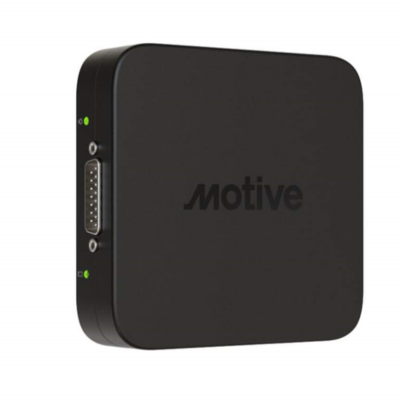
GoMotive ELD is certified for U.S. FMCSA and Canadian transport rules. This makes it perfect for small fleets that operate across borders or expand to Canada.