

What Is IoT Fleet Management?
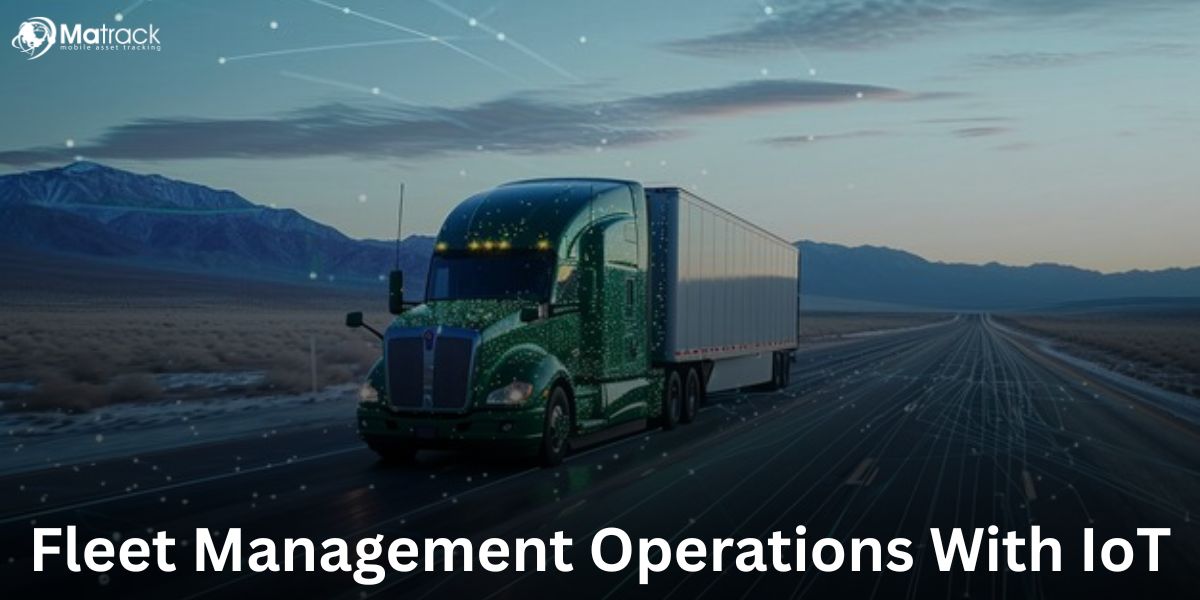
IoT fleet management is a system that uses sensors, GPS devices, and cloud software to monitor vehicles in real time. It helps businesses track location, vehicle health, and driver activity with greater accuracy.
Data from each vehicle moves to a central platform through telematics and mobile networks. Fleet managers use those insights to improve routes, reduce fuel waste, and address issues before they affect operations.
Visibility across the fleet supports safer driving, stronger maintenance planning, and more efficient daily work. Reliable access to live information also helps businesses make faster and more practical decisions.
How Does IoT Fleet Management Work?
IoT fleet management works through a system that captures vehicle activity and turns it into real-time operational visibility.
- Vehicle Inputs: GPS trackers, onboard diagnostic tools, and smart sensors record location, speed, fuel use, engine condition, and driving patterns.
- Network Transfer: Telematics hardware sends those signals through cellular networks to a cloud-based fleet platform.
- System Processing: Software organizes vehicle information into clear updates that reveal route delays, maintenance risks, and fuel inefficiencies.
- Live Monitoring: Dashboards give fleet managers a single place to watch trips, review driver behavior, and check vehicle performance.
- Rapid Alerts: Automated notifications highlight idling, harsh braking, service issues, or unauthorized movement so teams can respond quickly.
What Are the Main Components of an IoT Fleet Management System?
Smooth fleet operations rely on a combination of systems working quietly in the background to keep vehicles visible, connected, and manageable.
1. Sensors
Sensors monitor fuel levels, engine temperature, tire pressure, cargo conditions, and vehicle movement throughout each trip. Steady input from these devices helps fleet teams notice wear, faults, and unusual operating patterns early.
2. GPS Tracking Devices
GPS tracking devices pinpoint vehicle location and record route movement in real time. Accurate positioning supports dispatch planning, arrival updates, and tighter control over route execution.
3. Telematics System
The telematics system pulls information from the vehicle and passes it into the wider monitoring system. Engine performance, fault codes, ignition status, and driving activity all become easier to review through one connected setup.
4. Onboard Diagnostics
Onboard diagnostics reveal what is happening inside the vehicle at a mechanical level. Service teams use those readings to catch engine issues, reduce breakdown risk, and plan maintenance with better timing.
5. Connectivity Network
Cellular and wireless networks carry signals from moving vehicles to the central platform. Reliable transmission keeps trip updates, alerts, and status reporting active without long gaps.
6. Cloud Platform
Cloud platforms bring fleet activity into one digital environment where managers can review information from anywhere. Vehicle history, maintenance records, trip movement, and usage patterns stay organized in a form that supports daily oversight.
7. Analytics Engine
Analytics engines turn vehicle signals into patterns related to fuel use, route efficiency, idle time, and driver behavior. Stronger interpretation of fleet activity helps businesses reduce waste and improve planning across operations.
8. Dashboard Interface
Dashboard interfaces present trips, alerts, maintenance status, and driver performance in a format teams can review quickly. Mobile and desktop access makes ongoing supervision more practical across fast-moving operations.
9. Security Layer
Security layers protect devices, software access, and transmitted information across the entire fleet environment. Encryption, user controls, and secure communication standards help reduce risk as more systems stay linked in real time.
What Types of Data Does IoT Collect in Fleet Operations?
Different types of vehicle and operational signals come together to give a complete picture of how a fleet performs on the road.
Vehicle Health Data
Vehicle health data includes engine condition, battery status, fault codes, and system performance. Early visibility into mechanical behavior helps reduce unexpected breakdowns and improves maintenance planning.
Fuel Usage Data
Fuel usage records show consumption patterns, idle time, and refueling activity across trips. Tracking of fuel behavior helps identify waste and control one of the largest operating costs.
Location and Route Data
Location data captures real-time position along with route history and trip progression. Route visibility supports faster dispatch decisions and helps reduce delays during deliveries.
Driver Behavior Data
Driver behavior data reflects actions such as speeding, hard braking, harsh acceleration, and long idle periods. Safer driving patterns can be encouraged through monitoring and performance feedback.
Environmental and Cargo Data
Environmental data tracks temperature, humidity, and conditions affecting sensitive goods during transit. Cargo stability becomes easier to maintain as these conditions stay within required limits.
Utilization Data
Utilization data shows how often and how efficiently vehicles are being used over time. Stronger insight into usage patterns helps balance workloads and improve asset productivity.
Compliance Data
Compliance data records driving hours, rest periods, and regulatory requirements for fleet operations. Proper tracking supports adherence to safety standards and reduces the risk of violations.
What Are the Benefits of IoT in Fleet Management?
Operational visibility improves as vehicles, drivers, and performance metrics stay connected in real time, allowing faster and more informed decisions across fleet activities.
Lower Operating Costs
Fuel tracking, idle monitoring, and route efficiency directly impact daily expenses. Small improvements across these areas compound into significant cost savings over time.
Improved Driver Safety
Driver activity such as harsh braking, overspeeding, and fatigue becomes easier to detect through continuous monitoring. Safer behavior reduces accident risk and protects both drivers and vehicles.
Predictive Maintenance
Vehicle systems reveal early signs of wear, faults, and performance decline before breakdowns occur. Maintenance teams can schedule service at the right time instead of reacting to failures.
Real-Time Visibility
Fleet movement, trip progress, and vehicle status remain accessible at any moment through centralized platforms. Faster awareness helps teams respond to delays, reroute vehicles, or manage unexpected events.
Decision-Making
Access to consistent operational insights supports planning across dispatch, fuel usage, and asset allocation. Decisions rely less on assumptions and more on actual fleet performance patterns.
Stronger Asset Utilization
Usage trends highlight which vehicles are overused or underutilized across operations. Balanced deployment extends vehicle life and improves overall fleet productivity.
How Is IoT Used in Real-World Fleet Operations?
Daily fleet operations become easier to manage as vehicle activity, driver performance, and service needs stay visible throughout the day.
Delivery Coordination
Dispatch teams use live vehicle updates to manage pickups, deliveries, and schedule changes more accurately. Missed stops, long delays, and route confusion become easier to prevent as trip progress stays visible in real time.
Maintenance Planning
Service planning improves by identifying engine faults, wear patterns, and usage history before a breakdown happens. Repair teams can schedule maintenance around the actual vehicle’s condition instead of waiting for a failure on the road.
Fuel Control
Fuel spending becomes easier to manage as fleet managers can see idling patterns, route inefficiencies, and wasteful driving habits. Stronger oversight in these areas helps reduce unnecessary consumption across the fleet.
Driver Supervision
Driving habits can be reviewed through events such as harsh braking, rapid acceleration, overspeeding, and long idle periods. Performance trends give managers a practical way to coach drivers and support safer behavior over time.
Cold Chain Monitoring
Temperature-sensitive shipments rely on sensor-based monitoring during transport. Food, medicine, and other sensitive goods are easier to protect as temperature changes trigger immediate alerts.
Asset Security
Vehicle movement outside approved areas can trigger warnings through location-based monitoring. Faster alerts help businesses respond quickly to theft risks, unauthorized use, or route deviations.
What Challenges Do Businesses Face When Implementing IoT Fleet Management?
Bringing advanced fleet systems into daily operations often involves technical, financial, and operational hurdles that need careful planning.
System Integration
Existing tools, legacy software, and vehicle hardware may not align easily with modern fleet platforms. Integration gaps can slow deployment and require additional configuration efforts.
Initial Investment
Costs include devices, installation, software access, and workforce training. Budget pressure can increase, especially for businesses managing large or expanding fleets.
Data Security Risks
Vehicle systems and cloud platforms can become targets for unauthorized access if protection is weak. Strong security measures are essential to safeguard operational information.
Connectivity Gaps
Network availability may vary across routes, particularly in remote or low-coverage areas. Interruptions in signal can affect tracking accuracy and delay updates.
User Adoption
Drivers and fleet teams may need time to adjust to new tools and workflows. Structured training and gradual onboarding help improve acceptance and usability.
How Can Companies Successfully Implement IoT in Fleet Management?
Successful implementation depends on choosing the right technology, preparing teams properly, and aligning the system with real operational needs.
Set Clear Goals
Clear goals give the implementation process a practical direction from the start. Some businesses focus on fuel savings, while others prioritize maintenance control, driver safety, or route efficiency.
Choose Scalable Tools
Scalable tools make it easier to expand across more vehicles, routes, and users without rebuilding the system later. Platform flexibility also matters as fleets use different vehicle types or operate across multiple locations.
Plan Integration Early
Integration planning should happen before rollout begins. Existing software, vehicle hardware, maintenance records, and dispatch workflows need to work together smoothly for long-term results.
Train Fleet Teams
Training helps drivers, managers, and service teams use the platform with more confidence. Strong adoption usually comes from simple onboarding, practical guidance, and steady support during the early stage.
Start With a Pilot
Pilot programs reduce risk before full deployment across the fleet. Testing the system on a smaller group of vehicles helps businesses spot gaps, measure results, and refine the setup.
Review Performance Regularly
Regular review keeps the system useful after implementation is complete. Usage trends, fuel patterns, safety events, and maintenance outcomes should be assessed often to improve value over time.
What Are the Future Trends in IoT Fleet Management?
Advancements in automation, intelligence, and system-level integration are shaping how fleet operations will evolve in the coming years.
AI-Driven Decision Systems
Machine learning models are moving beyond analysis into automated decision-making across routing, maintenance, and driver management. Systems are beginning to suggest and execute actions based on real-time fleet conditions.
Autonomous Fleet Operations
Self-driving capabilities are gradually entering controlled environments such as logistics hubs and industrial transport. Wider adoption will depend on regulatory approval and infrastructure readiness.
Edge Intelligence in Vehicles
Processing at the vehicle level is reducing reliance on constant cloud communication. Faster response to safety events and mechanical issues becomes possible without delay.
Predictive and Prescriptive Maintenance
Maintenance systems are shifting from prediction to recommendation and action. Vehicles will not only detect issues early but also guide service decisions based on usage patterns and risk levels.
Sustainability and Emission Monitoring
Emission tracking, fuel efficiency analysis, and electric fleet integration are becoming central to fleet strategy. Regulatory pressure and cost factors are pushing businesses toward cleaner operations.
5G-Enabled Fleet Intelligence
Wider 5G adoption is enabling faster communication between vehicles, platforms, and infrastructure. This supports high-frequency updates, real-time video telematics, and more responsive fleet control systems.
What Should Businesses Look for in an IoT Fleet Management Solution?
Choosing the right platform matters just as much as adopting the technology itself, since long-term value depends on how well the system fits daily fleet needs.
Tracking Accuracy
Accurate location updates help businesses monitor trips without confusion or delay. Reliable tracking becomes especially important for dispatch, delivery timing, and asset security.
Ease of Use
Software should feel simple enough for managers, drivers, and support teams to use without friction. A platform with a clean interface usually improves adoption across daily operations.
Integration Support
Fleet software works properly as it fits into existing workflows instead of forcing a complete reset. Compatibility with maintenance tools, dispatch systems, and reporting platforms makes implementation more practical.
Custom Alerts
Alert settings should match the way the fleet actually operates on the road. Notifications for idling, route deviation, speeding, or maintenance issues help teams respond at the right moment.
Scalability
Growing fleets need a system that can support more vehicles, users, and operational complexity over time. Flexible tools reduce the need to switch platforms as the business expands.
Security Standards
Strong security features protect fleet records, user access, and vehicle-related information across the system. Protection at this level becomes essential once multiple users, vehicles, and workflows rely on one platform.
Conclusion
Fleet operations are becoming more structured as visibility across vehicles, drivers, and performance continues to improve. Awareness of daily activity allows businesses to reduce uncertainty and manage resources with more confidence.
Stronger control over fuel usage, maintenance timing, and driver behavior leads to more stable and efficient operations. Practical use of these systems supports long-term planning instead of short-term fixes.
Future fleet strategies will rely more on intelligent systems that adapt to real-world conditions and operational demands. Businesses that invest early in these capabilities position themselves for efficiency, safety, and scalability over time.