

Hot Shot Trucking Explained
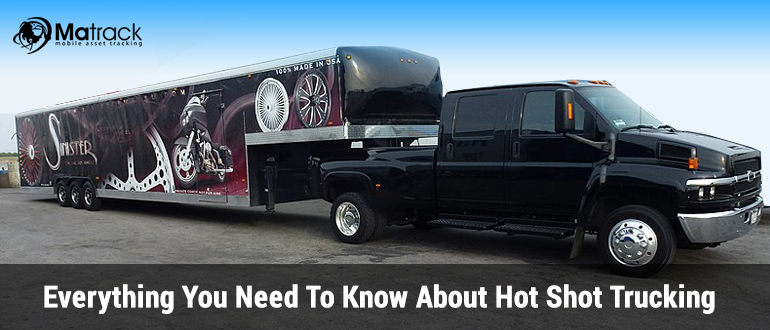
Hot shot trucking is a freight service that uses pickup trucks and medium-duty trailers to move small, urgent loads. Shipments usually travel directly from pickup points to delivery locations without waiting for standard freight schedules.
Construction crews, oilfield teams, farms, manufacturers, and repair shops use hot shot transportation when delayed parts or materials could stop active work. Common freight includes machinery parts, tools, equipment, building materials, farm supplies, and emergency replacement components.
Lower startup costs make hot shot trucking appealing for owner-operators who want to enter freight hauling without buying a semi-truck. Speed, route flexibility, and direct delivery create its main value for businesses with time-sensitive cargo.
How Does Hot Shot Trucking Work?
Hot shot trucking works by moving smaller freight loads through direct and time-sensitive delivery routes. Pickup trucks and specialized trailers transport cargo without waiting for warehouse consolidation or standard freight scheduling.
Freight brokers, load boards, and direct shipper agreements help drivers secure loads based on cargo size, trailer compatibility, and delivery urgency. Drivers then inspect load requirements, secure the freight properly, and transport it directly to the destination.
Regional and short-distance routes allow quicker delivery cycles and faster load turnover for drivers. Efficient scheduling, route planning, and communication help maintain delivery timelines across industries handling urgent freight.
What Types of Loads Are Hauled in Hot Shot Trucking?
Construction materials, oilfield equipment, farm supplies, industrial parts, automotive components, and emergency freight are the main load types hauled in hot shot trucking.
Construction Equipment and Materials
Construction companies use hot shot carriers to move generators, compressors, power tools, steel components, lumber, and job-site materials. Delayed freight can slow contractor schedules, equipment setup, and active project timelines.
Oil and Gas Freight
Oilfield loads often include pipes, valves, drilling tools, fittings, pumps, and replacement components for remote sites. Mechanical issues at drilling locations create urgent freight needs due to costly downtime.
Agricultural Supplies and Farm Equipment
Agricultural freight may include seed, feed, fencing supplies, irrigation parts, tractor attachments, and harvesting equipment. Seasonal schedules make fast delivery important during planting, repair, and harvest periods.
Manufacturing and Industrial Parts
Manufacturers use hot shot delivery for machine parts, production components, electrical systems, and maintenance equipment. Missing parts can stop production lines, delay repairs, and increase facility downtime.
Automotive and Emergency Freight
Automotive loads often include engines, transmissions, tires, axles, and specialty parts for repair shops or dealerships. Emergency freight also supports roadside service, urgent replacements, and critical repair requests.
Who Uses Hot Shot Trucking Services?
Urgent freight delivery through hot shot trucking is commonly used by construction firms, energy companies, manufacturers, agricultural businesses, repair shops, and small businesses.
- Construction Firms: Companies in construction rely on hot shot trucking to transport tools, equipment, and materials between job sites on short notice. Timely deliveries help prevent downtime and keep projects on schedule.
- Energy Companies: Oil, gas, and energy operators use hot shot services to deliver pipes, valves, and replacement parts to active or remote locations. Quick transportation reduces the risk of costly shutdowns.
- Manufacturers: When factories need machine parts or components right away, they rely on hot shot trucking. Quick delivery helps keep production going and stops long periods of downtime.
- Agricultural Operations: Farms and agricultural businesses use hot shot trucking during time-sensitive seasons such as planting and harvesting. Flexible scheduling allows quick response to equipment and supply needs.
- Small Businesses: Independent operators often choose hot shot trucking when traditional carriers cannot meet tight timelines. Direct, point-to-point delivery provides a practical and reliable solution.
What Trucks Are Used for Hot Shot Trucking?
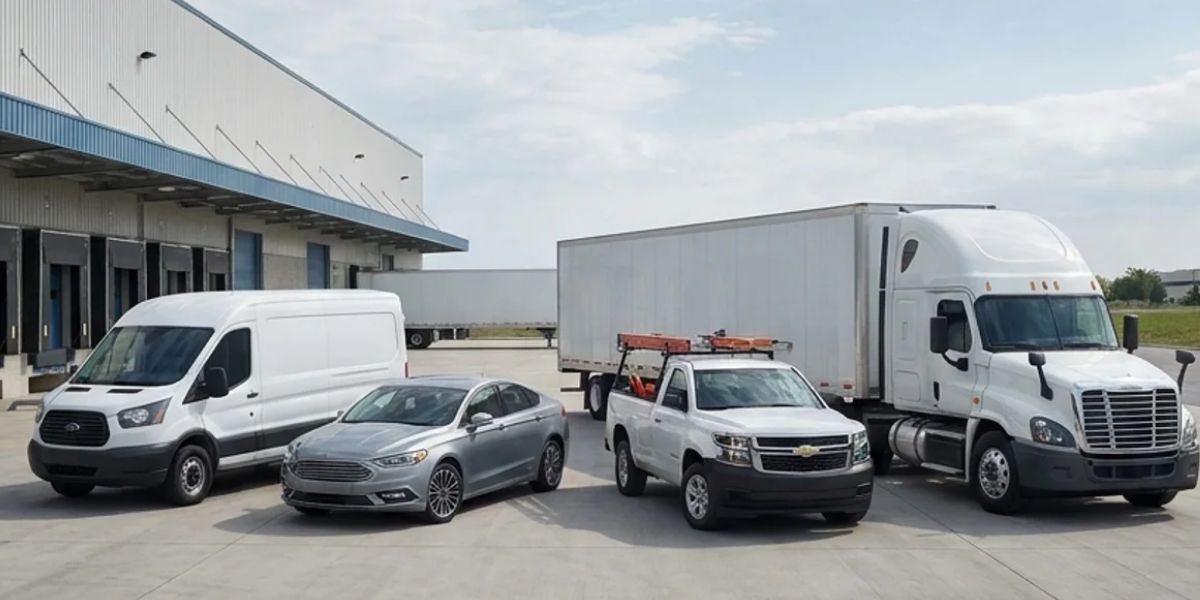
Class 3, Class 4, and Class 5 pickup trucks are commonly used in hot shot trucking based on towing capacity, payload limits, and freight requirements.
Class 3 Trucks
Lighter hot shot loads are often handled by trucks such as the Ford F-350, RAM 3500, and Chevy Silverado 3500. Lower purchase costs, solid towing ability, and easier entry make this class practical for many new owner-operators.
Class 4 Trucks
Heavier trailer setups commonly require models such as the Ford F-450 and RAM 4500. Added stability, braking strength, and frame durability help drivers manage demanding freight routes.
Class 5 Trucks
Commercial-grade hauling often involves trucks such as the Ford F-550 and RAM 5500. Higher GVWR capacity gives operators greater hauling flexibility, especially with gooseneck trailers.
Weight Ratings and Towing Capacity
GVWR, GCWR, payload rating, trailer weight, tongue weight, and cargo weight all affect truck selection. Staying within manufacturer and legal weight limits helps prevent safety issues, roadside violations, and equipment strain.
What Types of Trailers Are Used for Hot Shot Trucking?
Gooseneck, flatbed, step deck, and enclosed trailers are the most common trailer types used in hot shot trucking.
Gooseneck Trailers
Higher weight capacity and improved towing stability make gooseneck trailers popular for hot shot freight. Hitch placement over the rear axle helps distribute weight evenly across the truck and trailer setup.
Flatbed Trailers
Oversized equipment, construction materials, machinery, and irregular cargo are commonly hauled on flatbed trailers. Open trailer space allows faster loading and unloading at industrial sites and job locations.
Step Deck Trailers
Taller freight often requires step deck trailers to remain within legal height limits during transportation. Lower deck positioning creates additional clearance for equipment and machinery with extra height.
Enclosed Trailers
Sensitive cargo, high-value equipment, and weather-exposed freight are frequently transported through enclosed trailers. Added protection helps reduce exposure to rain, road debris, theft, and environmental damage.
What Accessories and Safety Equipment Do Hot Shot Truckers Need?
Load securement tools, emergency equipment, tracking systems, dash cams, tarps, and ELDs are commonly used to support safety, compliance, and cargo protection in hot shot trucking.
Load Securement Tools
Ratchet straps, chains, binders, and winches help keep freight stable during transportation. Proper cargo securement reduces shifting, trailer imbalance, freight damage, and roadside violations.
Tarps and Weather Protection
Rain, dirt, wind, and road debris can damage exposed freight during long-distance hauling. Protective tarps are widely used for construction materials, machinery, industrial equipment, and outdoor cargo.
Emergency and Maintenance Equipment
Spare tires, hydraulic jacks, reflective triangles, tool kits, flashlights, and safety vests help drivers manage roadside situations safely. Mechanical issues and tire failures can create costly delays without basic emergency equipment.
GPS Tracking Systems
Real-time tracking systems allow drivers and fleet managers to monitor vehicle location, route progress, and delivery movement. Route visibility also supports theft prevention, shipment monitoring, and dispatch coordination.
Dash Cams
Road footage recorded through dash cams can support accident investigations and insurance claims. Video recording also helps drivers document unsafe traffic situations and disputed incidents.
Electronic Logging Devices (ELDs)
Hours of Service records are commonly tracked through Electronic Logging Devices in commercial trucking. Digital logging systems help drivers maintain compliance during inspections and roadside checks.
What Are the Legal Requirements for Hot Shot Trucking?
Commercial licensing, operating authority, vehicle registration, fuel tax reporting, and insurance coverage are the main legal requirements for hot shot trucking.
CDL Requirements
Combined truck, trailer, and cargo weight above 26,001 pounds usually requires a Commercial Driver’s License (CDL). Hazardous material transportation may also require CDL compliance regardless of weight limits.
USDOT Number
Interstate freight carriers commonly need a USDOT number for commercial trucking activities. Safety inspections, compliance records, and operating history are tracked through this registration system.
MC Number
Freight transportation across state lines for payment generally requires Motor Carrier (MC) authority. Brokers and shippers often request active MC registration before assigning loads.
IRP Registration and Apportioned Plates
Multi-state trucking operations use IRP registration to distribute licensing fees across participating jurisdictions. Apportioned plates allow commercial vehicles to travel legally between registered states.
IFTA Registration
Fuel tax reporting across multiple states is handled through the International Fuel Tax Agreement (IFTA). Mileage records and fuel purchase documentation help carriers remain compliant during audits and inspections.
Insurance Requirements
Liability insurance, cargo coverage, and physical damage insurance are commonly required for commercial hot shot trucking. Freight brokers and shippers may request higher coverage limits before approving loads.
How Much Does It Cost to Start Hot Shot Trucking?
Truck purchases, trailer costs, insurance, fuel, permits, maintenance, and registration fees make up the main startup expenses in hot shot trucking.
| Expense | Estimated Cost |
| Truck | $50,000 – $90,000 |
| Trailer | $10,000 – $30,000 |
| Insurance | $5,000 – $15,000 per year |
| Licensing & Permits | $500 – $3,000 |
| Fuel | Varies based on miles driven |
| Maintenance | $5,000 – $10,000 per year |
| Miscellaneous | $2,000 – $5,000 |
Is Hot Shot Trucking Profitable?
Hot shot trucking can be profitable if freight rates, fuel costs, maintenance expenses, insurance payments, and empty miles are managed carefully.
Profit depends on choosing loads that pay enough to cover both direct trip costs and long-term business expenses. High-paying freight can still produce weak margins if deadhead miles, repair costs, or downtime are ignored.
Owner-operators often improve earnings by building repeat shipper relationships and focusing on routes with steady freight demand. Careful pricing, reliable service, and disciplined cost tracking help turn hot shot trucking into a sustainable business.
What Are the Pros and Cons of Hot Shot Trucking?
Lower startup costs, flexible freight options, urgent delivery demand, fuel expenses, vehicle wear, and market competition are the main pros and cons of hot shot trucking.
Pros
- Lower Startup Cost: Cheaper than running a semi-truck operation.
- Flexible Schedule: Work when you want; no fixed routes.
- High Demand: Many industries require urgent freight services.
- Quick Payments: Many loads pay immediately or within a week.
Cons
- High Fuel Costs: Gasoline and diesel prices impact profitability.
- Vehicle Wear & Tear: More frequent maintenance due to heavy loads.
- Market Competition: Many truckers compete for high-paying loads.
- Seasonal Slowdowns: Demand can drop in certain months.
How Do You Start a Hot Shot Trucking Business?
Starting a hot shot trucking business requires proper equipment, business registration, operating authority, insurance coverage, and a steady load sourcing plan.
Choose the Right Truck and Trailer
Cargo weight, trailer type, route distance, and licensing limits should guide equipment selection. Matching the truck and trailer setup to expected freight helps control costs and avoid compliance problems.
Register the Business
Legal business setup usually involves choosing a structure such as an LLC, sole proprietorship, or corporation. Separate business registration also supports tax reporting, banking, insurance, and liability protection.
Get Required Operating Numbers
USDOT numbers, MC authority, IRP registration, and IFTA accounts may be required based on hauling routes and freight type. Proper registration allows carriers to work legally with brokers, shippers, and multi-state freight networks.
Secure Commercial Insurance
Liability insurance, cargo coverage, and physical damage protection should be in place before accepting loads. Brokers often check coverage limits before assigning freight to new carriers.
Prepare for Compliance
Weight limits, Hours of Service rules, inspection records, maintenance logs, and load securement standards must be managed consistently. Organized documentation helps reduce roadside delays, fines, and service interruptions.
What Are the Best Tips for Success in Hot Shot Trucking?
Reliable equipment, controlled expenses, consistent freight planning, and dependable service play a major role in long-term success in hot shot trucking.
Choose Equipment Carefully
Truck capacity, trailer compatibility, towing stability, and fuel usage all affect long-term hauling performance. Durable equipment can help reduce repair frequency and downtime across demanding freight routes.
Control Operating Costs
Fuel spending, maintenance bills, insurance payments, and empty miles should be monitored closely. Poor expense management can reduce profit margins even during busy freight periods.
Maintain Trucks and Trailers Regularly
Routine inspections help identify tire wear, brake issues, suspension problems, and mechanical damage before major failures occur. Preventive maintenance also supports safer hauling conditions and inspection readiness.
Build Reliable Shipper Relationships
Consistent communication and on-time delivery help carriers gain repeat freight opportunities from brokers and direct shippers. Positive service history may also improve access to higher-paying loads.
Understand Freight Rates
Load pricing depends on cargo weight, trailer type, route distance, fuel costs, and market demand. Accepting underpriced freight too often can create financial pressure despite regular hauling activity.
How Do You Find Hot Shot Loads?
Load boards, freight brokers, direct shipper contracts, and industry networking are the most common ways to find hot shot loads.
Load Boards
Online load boards allow drivers to search available freight based on location, trailer type, cargo weight, and delivery distance. Platforms such as DAT, Truckstop, and 123Loadboard are widely used across the trucking industry.
Freight Brokers
Freight brokers connect carriers with shippers looking for available transportation capacity. Regular broker relationships can help drivers access consistent freight without searching for loads independently every day.
Direct Shipper Contracts
Local businesses, manufacturers, construction companies, farms, and repair facilities may offer direct freight opportunities to reliable carriers. Direct contracts can reduce broker fees and create long-term hauling relationships.
Networking and Referrals
Industry connections often lead to repeat business and freight referrals from brokers, drivers, and previous customers. Professional communication, dependable delivery service, and strong customer relationships can increase future load opportunities.
Final Thoughts
Hot shot trucking provides a practical freight solution for businesses that need smaller loads delivered within tight timelines. Construction materials, industrial parts, farm supplies, oilfield equipment, and emergency freight all contribute to growing demand across regional transportation networks.
Success in hot shot trucking depends on equipment selection, compliance management, freight planning, and cost control over time. Reliable service, careful route management, and consistent shipper relationships can help owner-operators build a sustainable trucking business.