

What Is Fleet Accident Management?
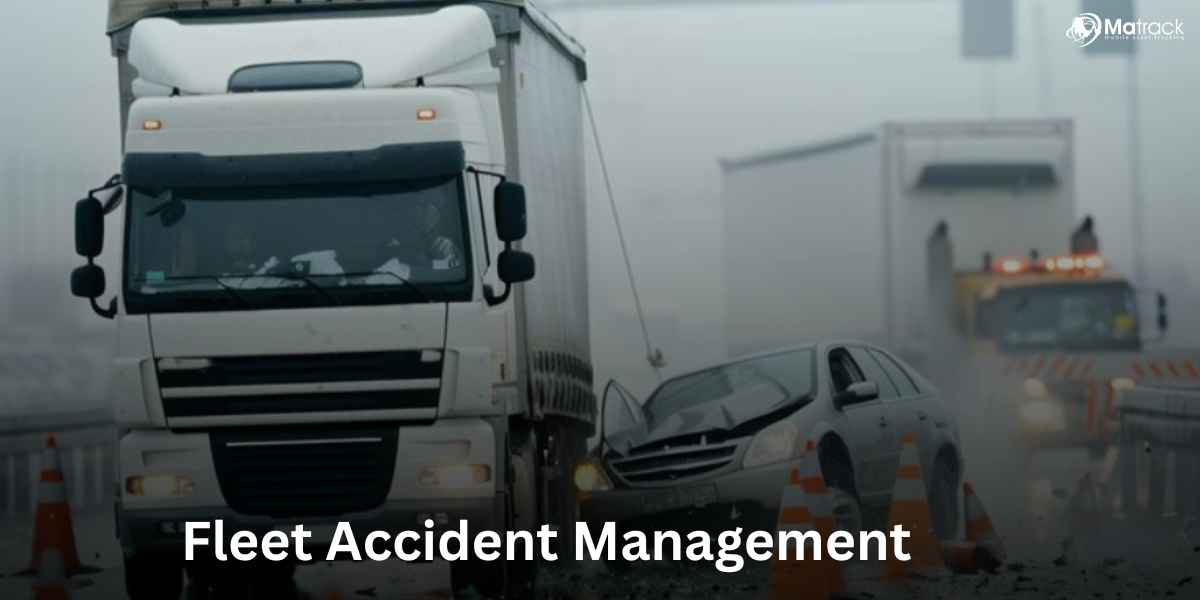
Fleet accident management is the process companies use to handle vehicle crashes after they happen, from the first report at the scene to the claim, repair, and final review. It brings structure to a situation that can otherwise disrupt drivers, vehicles, schedules, and internal coordination all at once.
Once an accident is reported, the business needs to do more than record damage and wait for the next step. Driver details, photos, insurer communication, repair updates, and service planning all need to move together so the incident does not create bigger operational problems.
That is why fleet accident management matters beyond the accident itself. A consistent process helps companies recover more quickly, maintain accurate records, control avoidable costs, and learn from past incidents so that the same issues do not continue to affect the fleet.
Why Is Fleet Accident Management Important for Fleet Operators?
Fleet accident management matters because one collision can disrupt schedules, pull vehicles out of service, delay claims, and increase operating expenses within hours.
- Service continuity: Route delays, missed appointments, and customer disruption often begin as soon as a unit goes off the road. Clear accident procedures help dispatch, drivers, and managers keep the rest of the operation moving.
- Cost control: Towing fees, repair invoices, replacement units, admin time, and lost productivity can raise the total cost far beyond the initial damage. Complete reporting gives fleets a better chance to contain those losses before they spread.
- Claims handling: Insurance review depends on accurate driver details, timestamps, scene photos, and supporting records. The FMCSA states that large truck and bus crash records remain preliminary for 22 months, which highlights the importance of ensuring incident files are complete from the start.
- Driver accountability: Repeated reporting delays, poor roadside response, and risky driving habits become easier to spot once incident records are consistent. Managers can then use those patterns to coach drivers and tighten internal expectations.
- Loss reduction: Repairs and claim closure do not solve the root cause of a crash. Review of incident trends helps fleets find weak points in supervision, reporting, and field execution before the next loss occurs.
What Happens in the Fleet Accident Management Process?
Handling a vehicle incident properly requires a clear sequence, so reporting, documentation, claims, repairs, and review move forward without delays or missing information.
Step 1: Immediate Reporting
Drivers should report the incident as soon as it happens so managers can respond with accurate information from the start. Location, time, vehicle condition, and basic crash details need to be recorded before the situation becomes harder to verify.
Step 2: Scene Documentation
Photos, video, witness details, third-party information, and visible damage records help establish what took place at the scene. Complete documentation gives insurers, managers, and repair teams a stronger basis for the next stage.
Step 3: Internal Review
Managers examine the first report to understand the severity of the incident and decide how the case should move forward. Response speed at this stage affects communication, claim progress, and operational planning across the fleet.
Step 4: Claims Coordination
Insurance handling begins once the incident file contains the key facts, supporting records, and driver details tied to the event. Clean documentation reduces disputes and helps the claim move ahead with fewer delays.
Step 5: Repair Handling
Recovery, inspection, repair approval, and vendor communication follow after the damage has been reviewed. Vehicle downtime usually depends on how efficiently these steps are managed from the start.
Step 6: Case Review
Final review focuses on cause, response quality, driver actions, and reporting gaps linked to the incident. Findings from closed cases help managers improve oversight, tighten procedures, and reduce repeated losses.
How Do Telematics and Digital Tools Improve Fleet Accident Management?
Telematics and digital tools improve accident handling by adding real-time data, recorded evidence, and system-level visibility to every stage of the incident.
GPS and Trip Data
Location tracking shows where the vehicle was, how it was moving, and what route it followed before and after the incident. Trip history helps managers verify timelines and understand the conditions around the crash.
Driver Behavior Data
Driving patterns such as speeding, harsh braking, and sudden acceleration give context to how the incident may have occurred. These insights help managers connect accidents to actual driver actions instead of relying only on written reports.
Digital Reporting Systems
Mobile-based reporting allows drivers to submit incident details directly from the scene without delay. Structured input formats improve accuracy and reduce missing information in the first report.
Video Evidence (Dash Cams)
Dash cams capture real-time footage of the event, showing road conditions, surrounding vehicles, and driver response. Video evidence reduces disputes and gives a clearer basis for claims and internal review.
Centralized Dashboards
Fleet platforms bring all accident-related data into one place, including reports, evidence, vehicle status, and claim updates. Central visibility helps managers track progress, make faster decisions, and keep all stakeholders aligned.
Which Metrics Should Fleets Track After an Accident?
Post-accident metrics show where time, money, and operational pressure are building after each incident, making it easier to spot gaps in response and recurring risk.
Accident Frequency
The total number of incidents over time gives a direct view of how often disruptions are entering the system. Spikes in frequency usually connect to specific drivers, routes, or operating conditions rather than random events.
Severity of Incidents
Some crashes create minor damage, while others lead to major repairs, liability exposure, or vehicle loss. Separating low-impact events from high-impact ones helps prioritize where attention is actually needed.
Claim Cost
Financial impact rarely stays limited to visible damage, since third-party claims, admin effort, and downtime often increase the final amount. Higher-than-expected costs usually point to weak documentation or delayed response.
Time to Close Claims
Cases that stay open longer tend to involve missing details, disputes, or slow coordination between teams. Faster closure usually reflects cleaner reporting and fewer complications during review.
Vehicle Downtime
Time out of service directly affects how much pressure shifts onto the rest of the fleet. Longer gaps often trace back to slow approvals, unclear communication, or delays during repair handling.
Repair Turnaround
Repair duration does not always match downtime, especially when approvals or parts availability slow things down. Tracking this separately helps identify where delays actually begin.
Repeat Incidents
Repeated issues tied to the same driver, route, or condition rarely happen without warning. Patterns here usually reflect behavior, supervision gaps, or reporting habits that were not corrected earlier.
What Legal and Insurance Issues Should Fleets Consider?
Legal and insurance issues need careful attention after any fleet accident, since claim outcomes, liability exposure, and record quality often depend on what is documented in the first stage of response.
Liability
Fault can become difficult to assess when more than one vehicle, driver, or outside party is involved. Scene details, driver statements, photos, and supporting records all shape how responsibility is reviewed.
Documentation
Accurate records help support the claim and protect the business if questions come up later. Missing details, weak timelines, or incomplete evidence can make the case harder to resolve.
Reporting
Accident information needs to reach the right people without delay. Slow reporting often creates problems during claim review and can weaken the overall case file.
Coverage
Insurance policies may include limits, exclusions, and conditions that affect what the business can recover after a loss. Fleet managers need a clear view of what is covered and where financial exposure still remains.
Disputes and Compliance
Disagreements over fault, damage, or claim value can delay closure and increase pressure on the business. Proper records also help fleets meet internal requirements and any regulatory obligations tied to accident reporting.
What Are the Most Common Fleet Accident Management Challenges?
Fleet accident management often breaks down as reporting, documentation, claims, and repair activity do not move in sync after an incident.
Late reporting
Delayed reporting usually means key details are missed at the scene. Missing time, location, and driver information can weaken the case from the beginning.
Missing evidence
Photos, video, witness details, and damage records are not always collected properly. Weak evidence makes claims harder to defend and slows internal review.
Unclear responsibility
Confusion around who needs to act next can stall the entire process. Drivers, managers, insurers, and repair vendors all need defined roles after an accident.
Claim delays
Claims can take longer as files are incomplete or communication keeps going back and forth. Slow claim progress often increases admin pressure and extends closure time.
Repair downtime
Vehicles may stay out of service longer than necessary as approvals, inspections, or vendor updates are delayed. Extended downtime puts more pressure on scheduling and fleet availability.
Repeat losses
Similar incidents can continue as accident records are closed without proper review. Patterns linked to driver behavior, route exposure, or weak follow-up need action before the next loss happens.
What Should You Look for in Fleet Accident Management Software?
Choosing the right system depends on how well it connects reporting, evidence, claims, and repair activity without slowing down the process.
Real-time visibility
Access to live incident data helps managers respond quickly and make decisions without waiting for updates. Immediate visibility into location, status, and event details keeps response time under control.
Easy reporting
Drivers should be able to submit accident details without confusion or delay. Simple reporting flows improve accuracy and reduce missing information from the scene.
Evidence handling
Photos, videos, timestamps, and incident records should stay organized in one place. Centralized data makes claims handling and internal review more efficient.
Claims tracking
The system should allow teams to follow claim progress without constant manual follow-up. Clear tracking reduces delays and keeps communication aligned across all parties.
Repair monitoring
Repair status needs to be visible from assessment to completion so downtime can be managed properly. Better tracking helps fleets plan schedules and avoid unnecessary service gaps.
How Matrack AI Fleet Dash Cam Helps?
Matrack AI Fleet Dash Cam helps fleets handle accidents with stronger evidence, faster visibility, and more control over what happened before and after the incident. Live GPS tracking, synced video, and event-based recording give managers a clearer view of road activity, driver response, and trip history in one system.
Video access also makes claim review and dispute handling easier, since fleets can pull footage, verify incident details, and check what actually took place on the road. Real-time alerts for risky behavior, collision threats, lane issues, and driver distraction add another layer of protection by helping drivers correct problems before they turn into larger losses.
Safety value goes beyond accident review because the platform also supports driver oversight through behavior monitoring, in-cab alerts, cloud-based event uploads, and access to multiple camera views around the vehicle. Combined with live tracking and on-demand playback, those features help fleets improve accountability, strengthen documentation, and reduce repeat risk across daily operations.