

Electronic Logging Device (ELD) Meaning
Electronic Logging Device (ELD) technology automatically tracks a commercial driver’s Hours of Service (HOS) using hardware integrated with the vehicle’s onboard system. Continuous monitoring of vehicle activity allows driving time, mileage, and operational status to be captured without manual log entries.
Collected vehicle data is organized into digital Records of Duty Status (RODS) that drivers access through in-cab displays or mobile applications. Digital logging replaces traditional paper records and gives fleet operators a clearer view of driver schedules and trip activity.
Federal transportation regulators require this system to enforce hours of service rules designed to reduce driver fatigue and improve highway safety. Reliable digital logs also streamline roadside inspections and help fleets maintain transparent operational records.
How Does an Electronic Logging Device (ELD) Work?
Electronic Logging Device (ELD) systems generate driver logs by synchronizing with vehicle systems and processing operational data through dedicated fleet software.
- Engine Synchronization: Hardware installed in the vehicle links with the Engine Control Module (ECM) to read signals related to ignition status, movement, and engine activity.
- Driving Detection: Once motion is detected, the system automatically begins tracking driving duration and updates the driver’s Hours of Service (HOS) record.
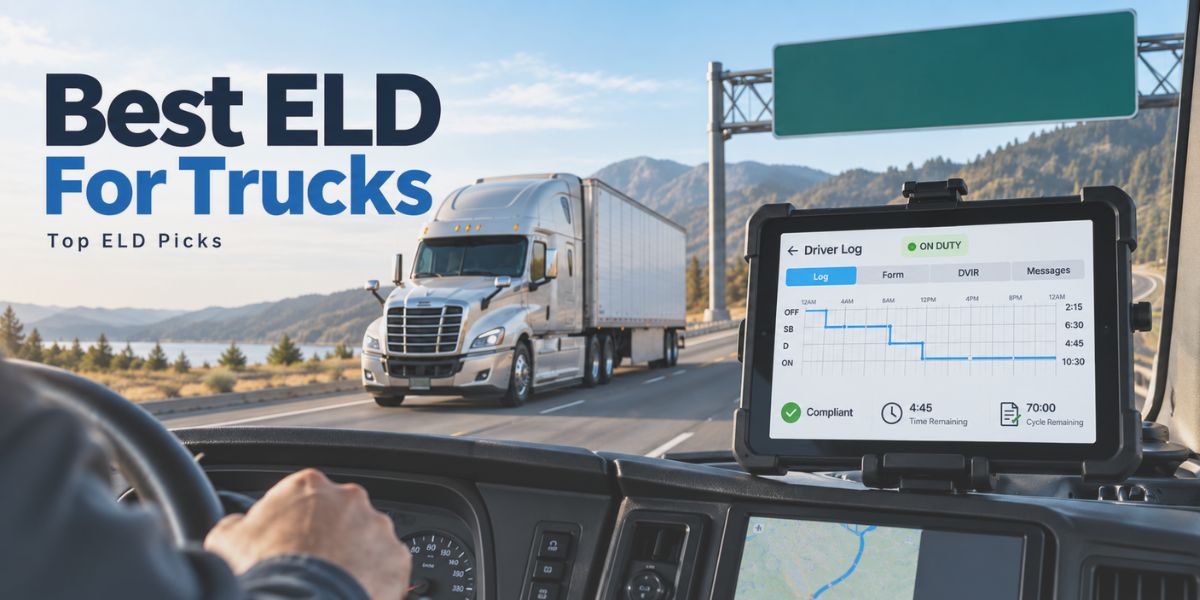
- Duty Status Logging: Drivers manage work status through a dashboard or mobile interface where they select options such as on-duty, off-duty, or sleeper berth.
- Log Processing: Recorded vehicle activity is converted into standardized digital duty logs used for regulatory documentation.
- Data Sharing: Information is transmitted to cloud-based fleet platforms, allowing fleet managers and inspectors to review logs during audits or roadside checks.
What Are the Key Components of an Electronic Logging Device (ELD)?
Electronic Logging Device (ELD) systems rely on several integrated hardware and software components that work together to capture vehicle data and maintain accurate driver records.
ELD Hardware Device
A compact hardware unit installed inside the vehicle connects with onboard systems to capture operational signals such as engine activity, vehicle motion, and mileage. Continuous data collection allows the system to monitor driving behavior automatically.
Engine Control Module (ECM) Integration
Connection with the vehicle’s Engine Control Module (ECM) enables the device to read engine power status, ignition activity, and movement signals. Direct engine synchronization ensures driving time is recorded accurately.
Driver Interface
Drivers interact with the system through an in-cab display or mobile application where duty status updates and log reviews are performed. Simple dashboards allow drivers to manage daily work status and review log entries easily.
Fleet Management Software
Cloud-based fleet platforms organize collected data into dashboards used by fleet managers to monitor driver hours and operational activity. Centralized reporting tools help maintain compliance records and generate driver log reports.
Data Connectivity
Cellular or telematics communication allows operational data to sync with centralized systems in real time. Continuous connectivity ensures driver logs remain accessible for compliance reviews and roadside inspections.
What Is the ELD Mandate?
The ELD mandate is a federal rule issued by the Federal Motor Carrier Safety Administration (FMCSA) that requires many commercial carriers to use electronic logging technology to track driving hours.
- Safety Regulation: The rule was introduced under the MAP-21 transportation law to improve highway safety and reduce fatigue-related accidents in the trucking industry.
- Approved Technology: Transportation companies must install FMCSA-registered logging systems that automatically capture driving time, vehicle movement, and operational status.
- Implementation Period: Nationwide rollout began in December 2017, giving carriers time to transition away from paper logbooks and outdated recording systems.
- Applicable Operators: Truck operators running Commercial Motor Vehicles (CMVs) in interstate transport and maintaining Records of Duty Status (RODS) fall under this requirement.
- Inspection Access: Duty records can be shared electronically with enforcement officials during roadside checks through digital transfer or on-screen display.
Who Is Required to Use an Electronic Logging Device (ELD)?
Federal transportation regulations require certain commercial vehicle operators to maintain electronic records of driving hours.
- Interstate Freight Operators: Truck drivers transporting cargo across state borders must track their working hours using approved electronic logging technology.
- Long-Distance Transport Drivers: Individuals operating heavy trucks on extended routes are required to maintain digital duty records to ensure driving limits are followed.
- Passenger Transport Services: Operators carrying passengers for commercial purposes, such as bus services, must also maintain electronic logs when federal hours rules apply.
- Fleet Transportation Companies: Businesses managing trucks for logistics or freight delivery must equip vehicles with compliant logging systems to monitor driver schedules and operational activity.
Know More: How to Use ELD?
Who Is Exempt From the ELD Rule?
Federal transportation regulations allow certain drivers and operations to operate without electronic logging technology when their work patterns or vehicle conditions fall outside standard requirements.
- Short-Haul Operations: Drivers operating within a limited distance radius and returning to the same reporting location each day may qualify for the short-haul exemption.
- Older Truck Models: Vehicles manufactured before model year 2000 are exempt because their engines may not support modern electronic synchronization.
- Limited Logbook Use: Drivers who maintain duty records for eight days or fewer within a 30-day period are not required to install an electronic logging system.
- Driveaway-Towaway Transport: When a vehicle itself is being delivered as cargo rather than transporting freight, electronic logging equipment may not be required.
- Agricultural Transportation: Certain farm-related transport activities may receive temporary exemptions during specific agricultural seasons.
- Local Delivery Drivers: Drivers performing routine local deliveries within a defined work schedule may qualify for operational exemptions depending on reporting conditions.
- Government and Emergency Operations: Vehicles used for emergency services, government functions, or disaster response may operate outside standard logging requirements.
Read More: What Are ELD Exemptions?
What Are Common Electronic Logging Devices (ELDs)? Violations?
Transportation authorities enforce strict rules around electronic logging systems, and failure to follow these requirements can result in violations during inspections or audits.
- No ELD Installed: A violation occurs when a required vehicle operates without an approved electronic logging system.
- Using a Non-Compliant Device: Logging systems not listed on the FMCSA ELD registry may be considered non-compliant during inspections.
- Failure to Transfer Log Data: Drivers must be able to share duty records with enforcement officers during roadside checks using approved transfer methods.
- Unassigned Driving Time: Vehicle movement that is not assigned to a driver account can trigger compliance issues during log reviews.
- Incorrect Duty Status: Selecting the wrong duty status or failing to update work status may lead to inaccurate records.
- Tampering With the System: Attempting to disable, alter, or manipulate logging equipment is considered a serious regulatory violation.
- Missing Supporting Documents: Motor carriers must maintain documents such as dispatch records, fuel receipts, or trip details that support duty logs.
What Are the Penalties for ELD Violations?
Failure to follow electronic logging regulations can lead to enforcement actions that affect both drivers and transportation companies.
- Out-of-Service Orders: Vehicles may be placed out of service during roadside inspections if required logging systems are missing or not functioning properly.
- Financial Fines: Regulatory authorities may issue monetary penalties to carriers that fail to meet federal logging requirements.
- Compliance Score Impact: Violations can negatively affect a carrier’s Compliance, Safety, and Accountability (CSA) score, which regulators use to evaluate safety performance.
- Operational Disruptions: Inaccurate or missing duty records may delay shipments and create scheduling problems for fleet operations.
- Regulatory Audits: Repeated violations can trigger deeper compliance reviews where authorities examine fleet documentation and operational records.
What Are the Benefits of Using Electronic Logging Devices (ELDs)?
Electronic logging technology provides operational advantages that help transportation companies maintain regulatory compliance while improving efficiency and safety.
Stronger Compliance Oversight
Automated duty logs help fleets follow Hours of Service regulations without relying on handwritten records. Accurate digital documentation reduces the chances of log errors during inspections.
Less Administrative Work
Digital log systems remove the need for paper logbooks and manual recordkeeping. Fleet managers can review driver schedules and trip activity through organized dashboards.
Improved Driver Safety
Monitoring work schedules ensures drivers follow required rest periods and avoid fatigue-related risks. Better schedule management supports safer driving conditions across long-haul operations.
Faster Roadside Inspections
Duty records can be displayed or transferred electronically when enforcement officers request them. Quick access to log data helps reduce inspection delays and keeps shipments moving.
Better Fleet Visibility
Connected fleet platforms allow managers to monitor vehicle activity, route progress, and driver schedules in real time. Operational insights help transportation companies improve dispatch decisions and overall efficiency.
How to Choose the Right Electronic Logging Device (ELD) for Your Fleet?
Selecting the right electronic logging solution depends on several factors that affect usability, compliance readiness, and overall fleet efficiency.
Regulatory Approval
Choose a system that appears on the official federal list of certified logging devices used for compliance verification. Approved systems meet technical standards required during inspections and audits.
Ease of Use
Drivers should be able to update duty status and review logs without complicated steps. A simple interface reduces training time and prevents common logging mistakes.
Reliable Connectivity
Stable cellular or telematics communication keeps operational data synchronized with fleet platforms. Continuous data flow ensures activity records remain accessible during inspections.
Fleet System Integration
Some solutions connect with GPS tracking platforms, dispatch tools, and fleet management dashboards. Integrated systems allow transportation companies to monitor vehicle operations and driver schedules from a single interface.
Data Insights
Advanced platforms provide reporting tools that help managers review trip performance, vehicle utilization, and operational trends. These insights allow fleets to identify inefficiencies and improve decision-making.
Technical Support
Responsive support teams and regular software updates help maintain system reliability over time. Ongoing updates also ensure logging systems remain aligned with changing regulatory requirements.
How Matrack Helps Simplify Regulatory Compliance
Matrack ELD provides a dependable electronic logging solution designed to help truck drivers and fleet operators manage Hours of Service (HOS) requirements with ease. With built-in features such as GPS tracking, DOT inspection mode, and IFTA reporting, the platform supports accurate recordkeeping and smoother compliance with transportation regulations.
Setup is quick and straightforward thanks to a plug-and-play installation that allows the device to start working in just a few minutes. Matrack also offers a cost-effective option with no upfront fees, no long-term contracts, and a lifetime warranty, making it a practical solution for both small fleets and large transportation operations.
Frequently Asked Questions
What does ELD stand for in trucking?
ELD stands for Electronic Logging Device, a system used to digitally track a driver’s working hours. It replaces traditional paper logbooks and helps fleets maintain accurate duty records.
Are Electronic Logging Devices mandatory?
Most commercial drivers operating under Hours of Service regulations are required to use an electronic logging system. Federal transportation authorities introduced this requirement to improve safety and ensure consistent recordkeeping.
Can drivers edit their electronic logs?
Drivers can make limited edits or annotations when correcting duty records. However, the system keeps a record of all changes to maintain transparency and prevent log manipulation.
How accurate are Electronic Logging Devices?
Electronic logging systems capture vehicle activity directly from onboard data, which improves the accuracy of duty records. This reduces errors that were common with manual logbooks.
Do ELDs track vehicle location?
Many logging systems include GPS capabilities that record vehicle position during trips. Location data helps fleets monitor routes and verify operational activity.
What happens if a logging device stops working?
Drivers must note the malfunction and inform their carrier as soon as possible. Temporary paper logs are usually required until the issue is resolved and the system is functioning again.